

Ever wonder why your fridge hums, your oven heats up, or your washing machine spins? Knowing the basic job of each appliance helps you spot problems faster and keep everything running smooth. Below you’ll get a quick rundown of the most common home gadgets, how they actually do their thing, and a few easy maintenance tricks.
Fridge: The fridge’s job is to keep food cold enough to stop bacteria. It does this with a compressor that squeezes refrigerant, a coil that releases heat, and an insulated box that holds the cold air. If the door seal is dirty or the coils are dusty, the fridge works harder and may get noisy.
Oven (electric or gas): An oven’s function is to turn electricity or gas into steady heat. In an electric oven, heating elements turn electric current into radiant heat; in a gas oven, a burner ignites fuel. Both need a thermostat to keep the temperature where you set it. A broken thermostat or a faulty element means uneven cooking.
Hob / Cooktop: Electric hobs have coil or induction elements that heat pans directly. Gas hobs use burners that mix air and gas for a flame. Keep the burners clean and check the connections – a spark that won’t fire usually means a blocked igniter or dirty gas line.
Washing Machine: The machine mixes water, detergent, and clothes, then spins to rinse and spin‑dry. A motor drives the drum, while a pump moves water in and out. Watch for leaks, odd noises, or a drum that won’t turn – they often point to a worn belt or a clogged pump.
Dryer: Dryers pull in air, heat it, and blow it through tumbling clothes. The heat comes from a heating element (electric) or a gas flame. The lint filter catches fibers; if it’s clogged, the dryer overheats and may shut off.
Dishwasher: Dishwashers spray hot water and detergent through spray arms while a pump pushes water out. A thermostat controls water temperature, and a thermostat‑controlled heating element dries the dishes at the end. A blocked spray arm or a stuck pump can leave dishes dirty.
Knowing these core functions does more than satisfy curiosity – it gives you a checklist when something goes wrong. For example, if your fridge is warm but still humming, start by cleaning the coils and checking the door seal before calling a tech.
Quick maintenance tips that work for most appliances:
When you notice a problem, try the simplest fix first – a clean filter, a tightened screw, or a reset button. If the issue persists, note the exact symptom (e.g., “oven won’t heat above 200°C”) and call a local repair service. Giving them clear details saves time and often the cost of a diagnostic visit.
Appliances are built to last, but they need a bit of love to keep doing their jobs. By understanding what each device is supposed to do and doing a little regular upkeep, you’ll enjoy fewer breakdowns, lower energy bills, and a kitchen that runs like a well‑tuned band. Got a specific question? Just ask – the right answer is usually only a quick check away.

Discover the essential roles appliances play in our daily lives and learn effective tips for maintaining their efficiency. From refrigerators to washing machines, each appliance features unique mechanics tailored for specific tasks. Grasping these functions is crucial for efficient servicing and longevity. Uncover surprising facts about how appliances work and ground yourself in practical maintenance advice to keep them running smoothly.
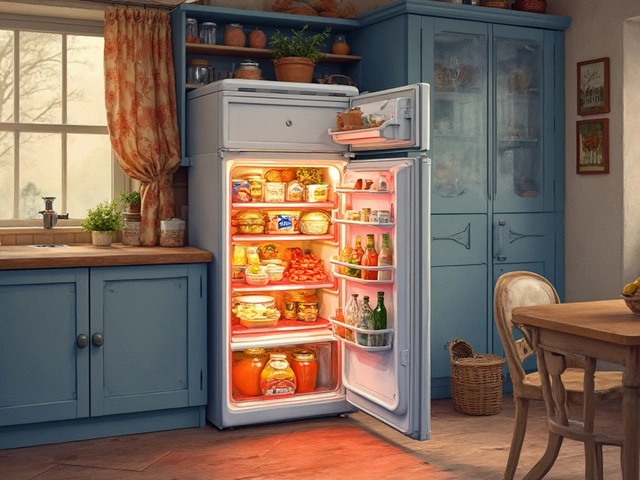
Understanding what usually fails in a fridge can save you time and money. This article explores common issues like malfunctioning thermostats, compressor problems, and leaky seals. Learn helpful tips for diagnosing and possibly fixing these issues yourself. Knowing when to call a professional is also crucial in the life of your fridge.
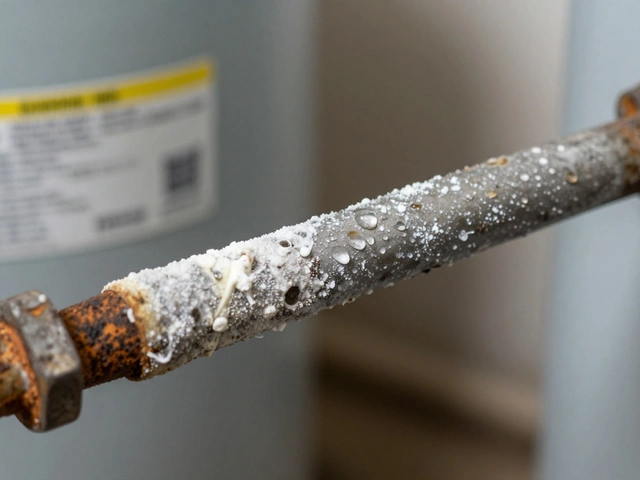
Water heaters commonly fail due to anode rod corrosion, heating element burnout, thermostat issues, and tank rust. Learn the top 5 causes and how to prevent them before you're left with no hot water.

Repairing an aging laptop can be a tricky decision. This article explores whether it's still worth investing in a 7-year-old device. We'll consider factors like performance, cost, potential upgrades, and environmental impact. Dive in to learn about the practical and sentimental value of maintaining your trusty laptop.

Deciding whether to fix or replace your oven in 2025? Learn real repair costs, when replacement saves money, safety risks of old ovens, and how to make the smart choice without overpaying.
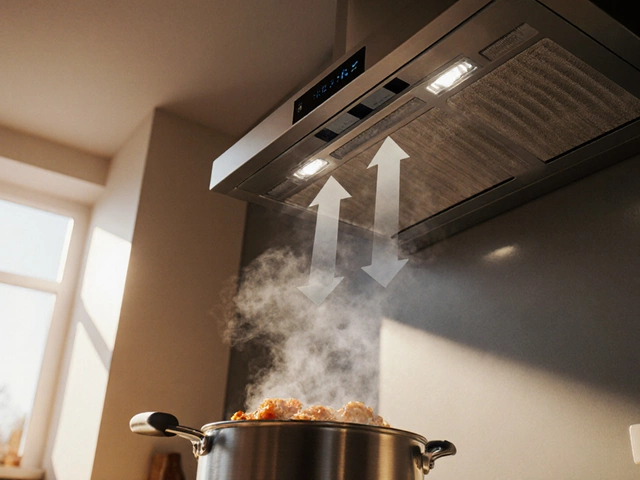
Find out if leaving your extractor fan on is safe, how much energy it uses, and the best practices to protect your home while keeping the kitchen fresh.