

Got a broken washing machine, oven, or fridge and wonder how much fixing it will set you back? You’re not alone. Most homeowners face a surprise bill the first time an appliance quits. This guide breaks down the real numbers behind typical repairs, the things that push the price up, and when it makes sense to call a pro instead of trying a DIY fix.
There isn’t a one‑size‑fits‑all answer for appliance repair cost, but a few factors show up again and again:
For the most common appliances, here’s a quick snapshot of typical repair ranges in the UK (prices include parts and labour):
These numbers are averages. Your exact quote will depend on the make, model, and the exact problem.
Seeing a price tag can make you wonder if it’s cheaper to buy a new unit. A good rule of thumb is the 50% rule: if the repair estimate exceeds half the cost of a brand‑new replacement, it’s probably time to replace.
Take a five‑year‑old dishwasher with a broken pump. If a quote comes in at £200 and a new model sits at £380, you’re looking at a 53% repair cost – not a great deal. On the other hand, a three‑year‑old fridge with a failed fan motor might only need a £90 fix, well under the 50% threshold, making repair the smarter choice.
Other signals that replacement is wiser:
If you decide to go DIY, only tackle jobs you feel comfortable with. Simple fixes like cleaning a filter, tightening a loose wire, or swapping a cheap heating element can save a few pounds. Anything involving gas, sealed systems, or electrical components hidden behind panels should be left to a qualified technician.
When you call a professional, ask for a detailed breakdown: labour, parts, and any extra fees. A transparent quote lets you compare offers and avoid hidden costs. Most reputable services, like Bognor Regis Appliance Repair Experts, will give you a clear estimate before any work starts.
Bottom line: knowing the typical price ranges, what pushes those numbers up, and the 50% rule helps you make an informed decision. Whether you repair or replace, a little research saves you stress and money.

Deciding whether to repair or replace a refrigerator can be a puzzling task for most homeowners. Factors like the age of the fridge, the cost of repairs, and energy efficiency play crucial roles in this decision. Getting a new fridge might seem attractive with the latest features, but sometimes repairing your old one is the better choice. Before making a move, it’s essential to weigh the pros and cons to make an informed choice.

Water heaters don't last forever, so it’s important to know how long yours might stick around. Generally, these devices are built to last about 8 to 12 years, but several factors can influence their longevity. By understanding signs of wear, maintenance tricks, and when it's time to say goodbye to your old model, you can ensure hot showers won't become a thing of the past. Let's break down everything you need to know about your water heater's lifespan.

Thinking about swapping out your gas hob? Safety rules in the UK are strict, and there’s more to it than just unscrewing pipes. This article looks at whether you really need a gas engineer for the job, what could go wrong if you cut corners, how to pick the right pro, and little-known facts about what happens during an installation. It’s a no-nonsense breakdown for anyone facing a hob swap, putting your safety at the front of the queue.
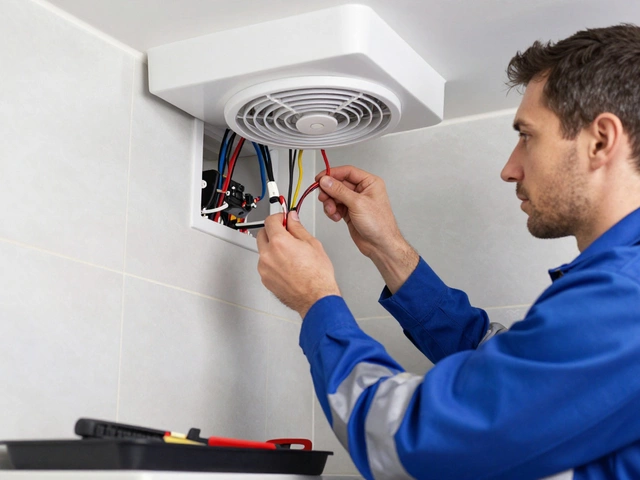
Discover which tradesperson fits an extractor fan. Learn when to hire an electrician vs. a plumber for safe, compliant UK installations.
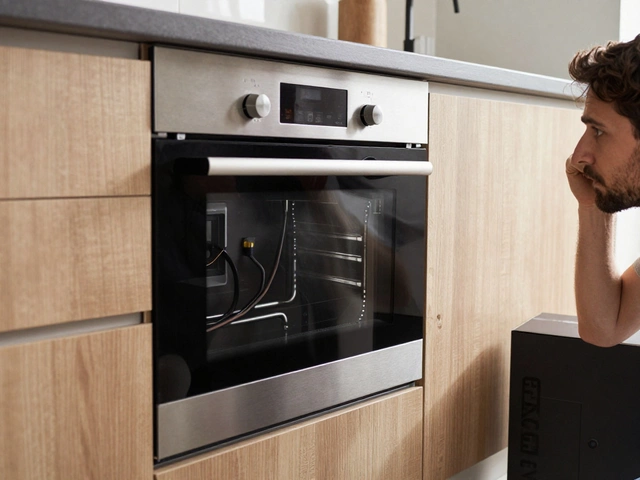
Find out if you need a professional electrician to replace your electric oven in the UK. We cover Part P regulations, DIY risks, costs, and safety steps to help you decide.
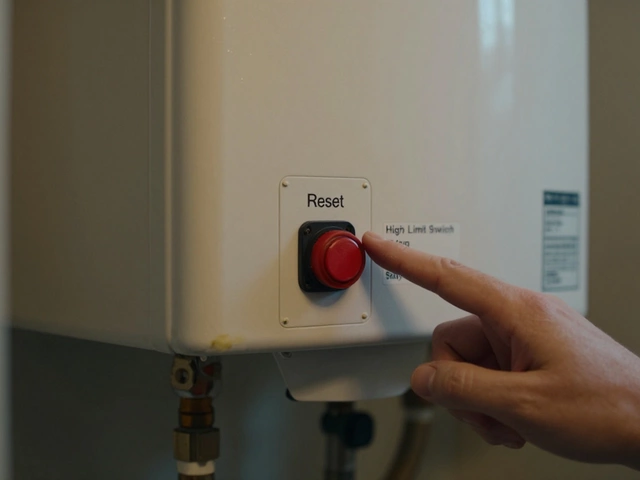
Discover why your hot water heater's reset button keeps tripping. Learn about failed thermostats, shorted elements, and sediment buildup, plus step-by-step fixes.