

Thinking about skipping your yearly boiler check? Not a great idea. A quick once‑a‑year look can stop big problems, save money, and keep your family safe from leaks or carbon monoxide. Let’s break down what you need to do, whether you’re a DIY fan or you’ll call a pro.
First, turn off the power and let the boiler cool down. Then pop the front panel and glance at the pressure gauge – it should sit between 1 and 1.5 bar when the system is cold. If it’s higher or lower, you’ll need to top‑up water or bleed air from the radiators.
Next, inspect the pipework for any drip or rust. A tiny leak can become a flood fast, and rust means the metal is aging. Check the burner and heat exchanger for dust or soot; a clean flame burns brighter and uses less fuel.
If you hear strange noises, notice a bad smell, or the boiler won’t fire up, it’s time for a qualified engineer. They’ll test the flue for proper venting, check the gas pressure, and run a carbon‑monoxide safety test. These checks are required by law for certain boiler types, and a certified tech can give you a legal safety certificate.
Even if everything looks fine, a professional will service the pump, adjust the thermostat, and replace the ageing seals that can cause leaks later. The cost of a full service is usually lower than the repair bill you’d get from a breakdown during winter.
Do a quick visual check every month – look for water stains around the boiler, listen for ticking or gurgling, and make sure the thermostat reads correctly. Spotting a problem early means a simple fix, not a costly replacement.
Remember to keep your boiler’s paperwork. The service log helps the engineer see past issues and shows future buyers your system’s been well‑maintained. It also helps you track when the next yearly check is due.
Bottom line: an annual boiler check isn’t just a task on a to‑do list. It protects your home, saves energy, and avoids emergency calls when the cold hits. Schedule it early in the season, do a quick DIY glance in between, and let a pro handle the deeper work. Your heating will thank you, and you’ll have peace of mind all winter long.

Looking for the right person to service your boiler? Here’s what you need to know about boiler service, finding qualified engineers, costs, and why it matters in 2025.

Discover how much boiler service costs in 2025, what affects the price, what's included, and tips to save money while keeping your heating safe and reliable.

Unravel the mysteries of oven troubles with a comprehensive guide that walks you through common issues and their solutions. From unexpected cold spots to issues with heating elements, this article explores practical approaches to diagnosing and fixing your oven. Learn about signs to watch out for, potential tools needed, and tips to maintain your oven's optimal performance. Perfect for homeowners who want to save a little cash and feel empowered to tackle minor repairs before calling in the professionals. This guide makes oven repair accessible and doable for the average person.

Thinking about fixing your 7 year old refrigerator? This article breaks down the real costs, reliability, and what you should watch for before you pay for repairs. You’ll find clear tips on when it’s smarter to repair or replace, how much you’ll likely spend, and some key things most people forget to check. Get the real scoop from an expert so you don’t waste time or money.
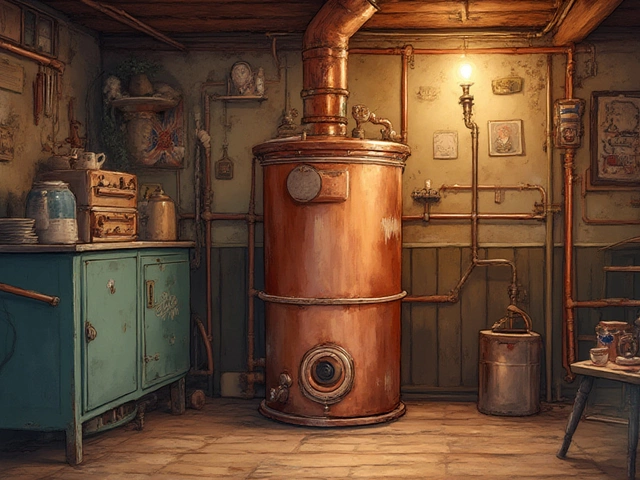
Is it possible for a hot water heater to last 30 years? Here’s a detailed look at what determines water heater longevity, what rare cases look like, and how you can extend your heater’s life with smart habits.
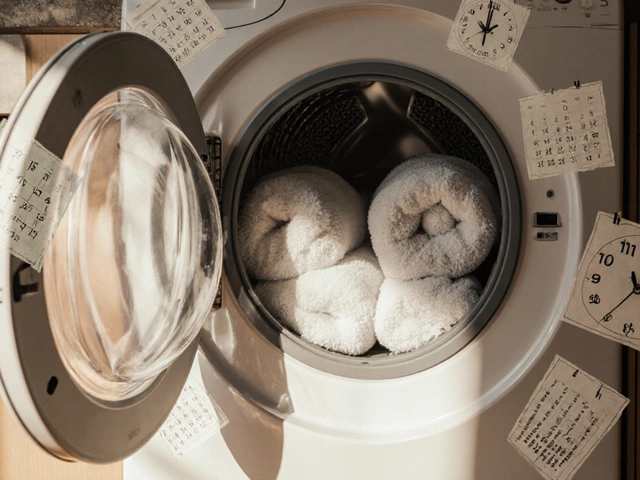
Learn how long vented, condenser and heat‑pump tumble dryers typically last, what factors affect their lifespan, and how regular maintenance can add years.
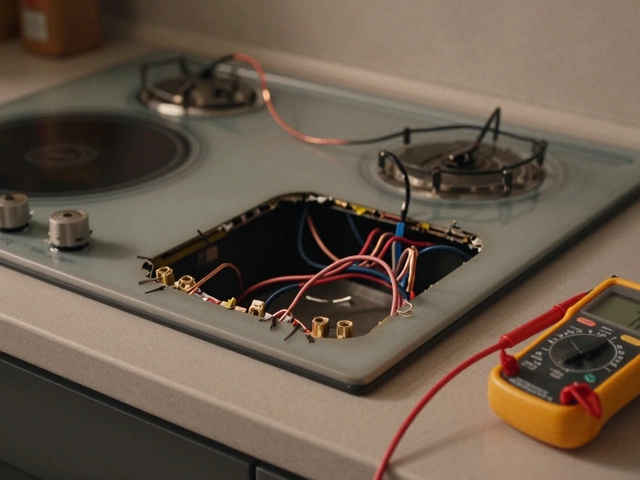
Replacing an electric hob isn't a DIY job. In the UK, it requires a qualified electrician for safety, legal compliance, and insurance reasons. Here's what you need to know before swapping your hob.