

Is your air conditioner blowing warm air instead of a cool breeze? You’re not alone. Most homeowners hit a cooling snag at least once a year, and the good news is many of the common problems are easy to spot and fix.
Before you grab the phone, grab a flashlight and take a quick look around. A clean filter, the right thermostat setting, and a clear outdoor unit can solve 70% of cooling complaints. Let’s walk through the most frequent culprits and the steps you can do yourself.
1. Filter: A clogged filter restricts airflow, making the unit work harder and blowing warm air. Turn off the AC, remove the filter, and if it’s dusty, rinse it with water or replace it. A fresh filter can restore proper cooling in minutes.
2. Thermostat Settings: Double‑check that the thermostat is set to “cool” and the temperature is lower than the room’s current temp. Some people forget they switched it to “fan only” during a power outage.
3. Power Switches: Make sure the indoor unit’s circuit breaker hasn’t tripped and the outdoor disconnect switch is on. A simple reset can bring the system back online.
4. Outdoor Unit (Condenser) Blockage: Leaves, dirt, or debris can blanket the condenser coils. Clear a two‑foot radius around the unit, gently brush off any grime, and spray a coil cleaner if you have it. A clean coil transfers heat more efficiently, which usually fixes the warm‑air symptom.
5. Fan Problems: Both the indoor blower fan and the outdoor fan must spin. Listen for a humming sound. If the indoor fan isn’t moving air, the motor capacitor might be bad. Replacing a capacitor is a quick DIY fix if you’re comfortable with a screwdriver and a multimeter.
6. Refrigerant Leak: Low refrigerant means the AC can’t absorb heat. You might notice ice on the evaporator coil or hissing sounds. Leaks need a qualified technician to locate and repair, then recharge the system. This is one of those cases where calling a pro is safest.
7. Drain Line Clog: A blocked drain can trigger an automatic shut‑off. Locate the drain pipe (usually a PVC line near the indoor unit) and pour a cup of bleach followed by hot water to clear any slime.
8. Electrical Issues: Loose wiring or a faulty control board can stop the compressor from kicking in. If you see burnt smells or see sparking, turn the power off and call an electrician or HVAC specialist right away.
While many of these steps are DIY‑friendly, always prioritize safety. If you’re unsure about handling electricity or refrigerant, it’s better to let a licensed professional take over.
Regular maintenance can stop most AC cooling issues before they start. Change filters every 1–3 months, keep the outdoor unit clear of foliage, and schedule a professional tune‑up before the hottest season arrives.
Bottom line: start with the filter, thermostat, and power checks. If those don’t solve the problem, move on to cleaning the condenser, inspecting fans, and checking the drain line. Anything involving refrigerant or major electrical work? Call Bognor Regis Appliance Repair Experts – we’ll get your home cool again fast and right.

Is your heat pump running but not cooling your home? Learn the real causes, expert troubleshooting tips, and practical solutions to get your comfort back.
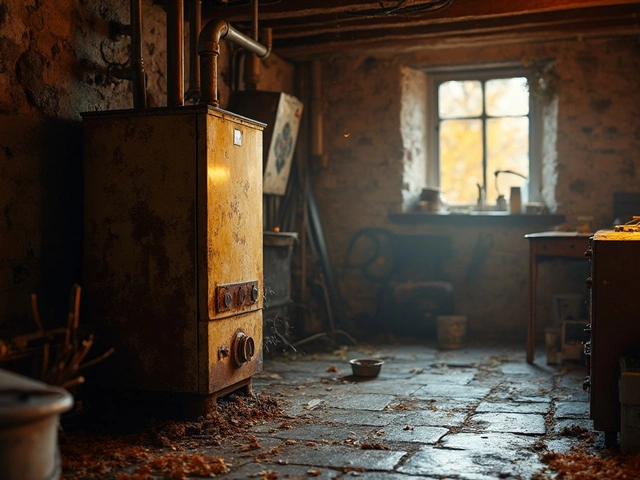
Replacing an old boiler might seem like a hassle, but when it's reaching the 15-year mark, the decision becomes crucial for efficiency and safety. This article explores whether it's time to upgrade, balancing costs, savings, and the impact on your home. From understanding energy efficiency to recognizing warning signs, we dive into everything you need to consider. With insights and practical tips, make an informed choice about your old boiler.

Wondering if it's worth repairing your electric oven or if you should just buy a new one? This article dives into the factors to consider, from cost effectiveness to the age of your appliance, helping you make an informed decision. We'll discuss common issues that can be fixed, when to call in a pro, and some smart tips to extend the lifespan of your oven. By the end, you'll know whether fixing or replacing is the better choice for your situation.

Microwaves seem invincible until they suddenly stop working—usually right when you're hungry. This article tackles what actually breaks down most often in a microwave, from simple blown fuses to tricky magnetrons. You'll learn the telltale signs for each failure, why these things wear out, and how to figure out if it’s something you can fix yourself. Plus, there are practical tips on keeping your microwave running smoother for longer. Perfect for anyone tired of cold leftovers and expensive repair bills.

Annoyed by standing water at the bottom of your dishwasher? This article breaks down why your dishwasher isn't draining, what can cause it, and how to troubleshoot the most common issues. Learn about clogged filters, garbage disposal connections, and more. I'll also share some handy tips to help you prevent problems in the future. Whether you're a first-timer or have dealt with dishwasher headaches before, you’ll find practical advice here.

Need to replace your electric oven element? Find out how much it costs, what affects the price, and the best options for repairing your oven in 2025.