

If your oven is seven years old and starting to act up, you’re probably wondering whether a fix will do or if it’s time for a new one. Seven years is right around the middle of most oven lifespans, so you still have options. Below we’ll walk through the most common issues, how much they usually cost, and the signs that say “buy new”.
After a few years of regular use, ovens develop wear and tear. The most frequent complaints are:
Most of these issues can be diagnosed quickly by a professional, and many are fixable for a fraction of the price of a brand‑new oven.
Repair costs vary based on the part and labour. Here’s a rough breakdown:
Labour typically adds £50‑£80 per hour. If the total repair bill pushes above £250, compare that with the price of a new oven of similar size and features (usually £400‑£800). If you’re close to the upper end of that range, replacing might be smarter.
Even if a repair looks cheap, consider these red flags:
In those cases, a new oven will save you money on energy bills and give you modern conveniences.
For most 7‑year‑old ovens, a quick check by a qualified technician can tell you exactly what’s wrong. At Bognor Regis Appliance Repair Experts we can test the heating element, calibrate the thermostat, and replace faulty parts on the spot. Our rates are transparent and we’ll give you a clear recommendation – repair if it’s under £250, replace if it’s higher or if the oven shows multiple aging signs.
Want to extend your oven’s life after a repair? Keep it clean, avoid slamming the door, and run a self‑clean cycle only when needed. Regularly checking the door seal and wiping spills right away can prevent bigger problems later.
Bottom line: A 7‑year‑old oven isn’t dead, but it’s at a crossroads. Use the cost guide above, watch for the warning signs, and call a local pro for a precise diagnosis. That way you’ll spend money wisely – either fixing a perfectly good oven or investing in a fresh, efficient model that’ll last another decade."

Wondering if you should throw out your seven-year-old oven or give it a second chance? This article breaks down when it makes sense to fix an older oven, what problems are easy or tough to repair, and how much money you might actually save. Get straight answers on costs, lifespan, and smart ways to keep your oven running. No fluff—just helpful facts and real advice you can use.
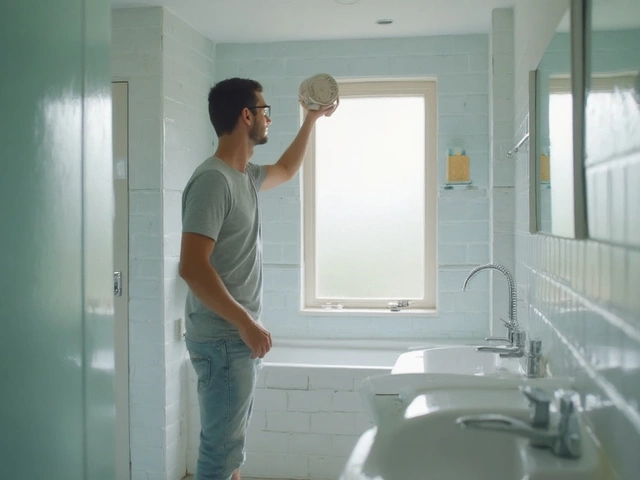
Nobody wants to deal with a stuffy bathroom or smoky kitchen, but if your extractor fan isn’t working, that’s exactly what you’ll get. This article shows you how to check if your extractor fan is doing its job or just taking up space. From simple power checks to quick airflow tests, you’ll learn hands-on methods anyone can use—no tech wizardry needed. Expect practical tips, a couple of helpful tricks, and signs that tell you when it’s time to call an expert. Don’t let stale air hang around: let’s figure out what your fan is up to.
Wondering if fixing your tumble dryer makes sense? This article dives into crucial considerations like repair costs, common issues, and when to replace. Avoid costly mistakes by learning signs that scream 'repair!' or 'replace!' Smart tips help you make the right decision for your dryer woes.

Fixing a laptop can often be a costly affair, with some components surprisingly pricey to replace. This article explores which part of a laptop typically incurs the highest repair costs and why. We dive into details like the high expense of screen and motherboard repairs, offering insights into why these parts hit the wallet hardest. Gain practical advice on maintaining your laptop to avoid these hefty bills in the first place, and discover some curious facts about common laptop repairs.

Most water heaters fail due to tank corrosion, heating element burnout, or sediment buildup. Learn the top failure points and how to spot them early to avoid costly repairs or floods.
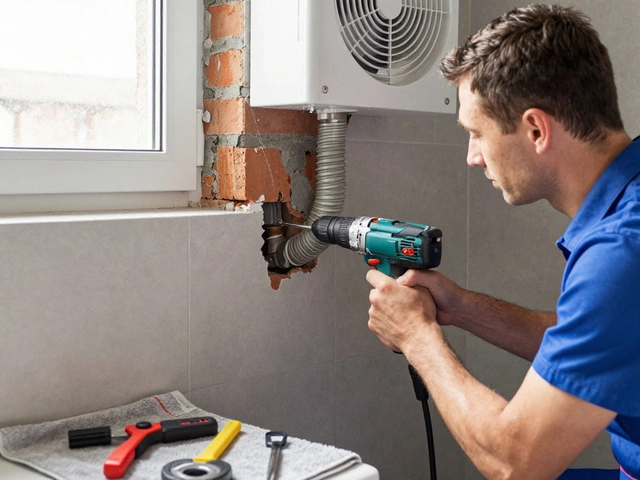
Can a plumber fit an extractor fan? While they can install the unit, only a qualified electrician can legally and safely handle the wiring. Learn what you need to know before hiring anyone.