

If your oven has been cooking for two decades, it’s probably seen a lot of casseroles, roasts, and burnt attempts. At 20 years old, the appliance can still work, but you’ll notice more hiccups than a brand‑new model. Before you toss it out, let’s walk through the main issues, easy DIY fixes, and the point where calling a pro (or buying a new oven) makes sense.
Age brings wear, and ovens are no exception. The most frequent faults you’ll run into are:
These symptoms often overlap, so pinpointing the exact cause saves time and money. If your oven only has one issue, a simple fix can extend its life another few years.
Most of the problems above can be tackled with a few tools and safety precautions. Here’s a quick checklist:
Always disconnect the oven from power before opening panels. If a repair feels beyond your skill level, it’s safer to call an expert.
Even the savviest DIYer hits a wall. Consider professional help if you notice any of these red flags:
A qualified technician can diagnose hidden faults and advise if a replacement is more cost‑effective. In the UK, a typical oven repair call‑out costs £50‑£80, plus parts. If the total repair bill exceeds half the price of a new mid‑range oven (around £400‑£500), it’s usually smarter to replace.
Old ovens also lag on energy efficiency. Modern models use up to 30% less electricity, so a new purchase can offset the upfront cost with lower bills.
Bottom line: start with the easy checks—elements, seals, thermostat—before you scrap the oven. If the fixes are cheap and the oven still heats evenly, you’ve bought yourself a few more years of cooking. If the problems keep returning or the repair cost climbs, weigh the long‑term savings of a new, energy‑smart oven.
Got a 20‑year‑old oven acting up? Follow the steps above, and you’ll know whether a quick DIY repair will do the trick or if it’s time to upgrade to a newer, more reliable model.

Wondering if your 20-year-old oven can be repaired? Discover repair tips, replacement part insights, costs, and when it makes sense to swap your old oven for a new one.

Most extractor fans can be repaired with simple fixes like cleaning, capacitor replacement, or tightening parts. Learn when DIY works and when to call a pro to avoid costly damage from damp and mold.
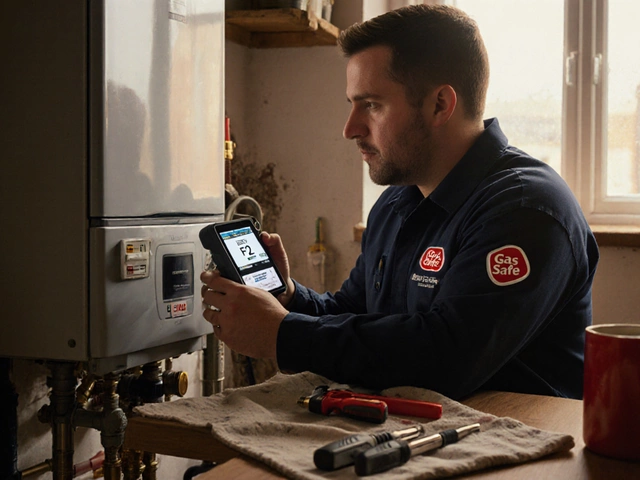
Not all plumbers can fix boilers-only Gas Safe registered engineers can legally work on gas systems. Learn when to call a plumber vs. a heating engineer, how to verify qualifications, and what to expect from a boiler service.

Wondering who fixes extractor fans? Find out which trade has the right skills, top repair tips, and practical advice for solving extractor fan issues fast.

Microwaves seem invincible until they suddenly stop working—usually right when you're hungry. This article tackles what actually breaks down most often in a microwave, from simple blown fuses to tricky magnetrons. You'll learn the telltale signs for each failure, why these things wear out, and how to figure out if it’s something you can fix yourself. Plus, there are practical tips on keeping your microwave running smoother for longer. Perfect for anyone tired of cold leftovers and expensive repair bills.

Learn fast DIY steps to diagnose and fix a non‑working water heater, plus safety tips, maintenance advice, and when to call a professional.