

When your boiler breaks down, the first question isn’t always how to fix it—it’s who pays for boiler service, the person responsible for covering the cost of maintaining or repairing a home heating system. If you rent, your landlord might be on the hook. If you own, it’s likely you. But it’s not that simple. Many people assume boiler service is free under warranty, or that a plumber can legally fix it, but Gas Safe engineer, a certified professional qualified to work on gas appliances in the UK is the only one allowed to touch your gas boiler. And that certification costs money—money that doesn’t always come from the right place.
Boiler service isn’t a one-time fix. It’s an ongoing cost tied to safety, efficiency, and legal requirements. In rented homes, UK law says landlords must provide a valid gas safety certificate every year. That means they pay for the boiler maintenance, routine inspection and servicing of a heating system to ensure safe and efficient operation. But if your boiler breaks mid-winter, and it’s not a routine check, who covers the repair? That’s where confusion kicks in. Some landlords pay for everything. Others only cover major failures. If you’re a tenant, check your tenancy agreement. If you’re a homeowner, your warranty might cover parts but not labour. And if you’ve got an older boiler, repair costs can easily hit £300–£600. Replacing it? That’s £2,000–£4,500. So who pays? It depends on your situation, your contract, and whether you’ve been keeping up with annual services.
Here’s the truth: skipping boiler service doesn’t save you money—it costs you more later. A yearly check catches small problems before they become floods, breakdowns, or gas leaks. That’s why some energy companies offer boiler cover plans. But not all are worth it. Some charge £10 a month and still make you pay for parts. Others lock you into long contracts with poor service. You’re better off setting aside £15–£20 a month yourself and paying for service when you need it. That way, you pick the engineer, not the company’s cheapest option.
And don’t assume your home insurance covers it. Most policies only pay out if the boiler fails due to an accident or damage—not wear and tear. That’s why knowing the difference between repair and replacement matters. A £400 fix might be worth it if your boiler’s only five years old. But if it’s 15 years old and costing you more in energy bills than repairs, replacing it could save you more in the long run. That’s why the posts below cover everything from boiler repair costs to when to call a Gas Safe engineer, what your warranty really covers, and how to avoid being overcharged. You’ll find real breakdowns, real prices, and real advice from people who’ve been there. No fluff. Just what you need to know before you open your wallet.

Who pays for boiler maintenance? Landlords must cover it for tenants. Homeowners pay for everything. Warranties don't cover servicing. Annual checks are legally required and save lives.
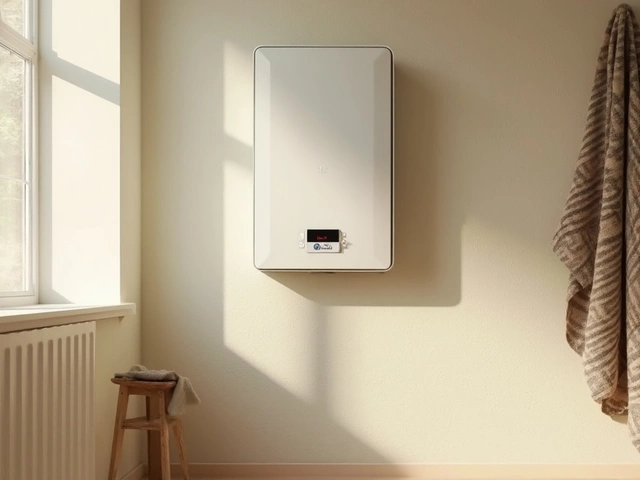
Troubles with your water heater might mean it needs a reset. Knowing when and how to reset it can prevent cold showers and unnecessary stress. This guide covers signs your water heater needs resetting, why it's important, and how to do it safely. Plus, learn some handy maintenance tips to keep it running smoothly.
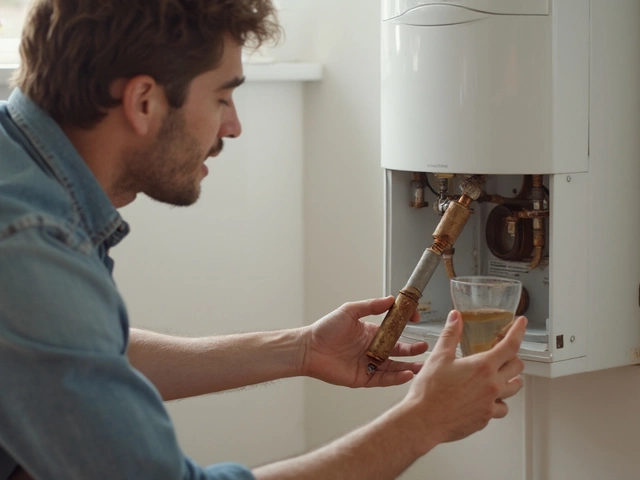
Not sure if your water heater's anode rod is shot? This article breaks down the telltale signs that your anode rod is past its prime, from weird smells to rusty water. Find out how long these rods actually last, why they're so important, and how to check them yourself. With some simple tips, you'll spot trouble before it wrecks your tank. Get the facts so you can keep hot water flowing without a nasty surprise.

An electric oven is a kitchen essential that brings culinary magic to life, but sometimes it can start showing signs of wear and malfunction. If you notice uneven cooking, strange noises, or the oven simply won't heat, these could be indicators of a problem needing repair. Knowing the common signs can help you determine if troubleshooting is possible or if it's time to call a professional. From the thermostat issues to faulty heating elements, this guide provides insights into recognizing and addressing potential oven problems.

Who pays for boiler maintenance? Landlords must cover it for tenants. Homeowners pay for everything. Warranties don't cover servicing. Annual checks are legally required and save lives.

Neglecting to flush your water heater can lead to a host of issues, from inefficiency to full-blown malfunctions. Sediment buildup can decrease heating efficiency and even cause damage over time. This article explores what happens if you never flush your water heater, why regular maintenance is crucial, and how you can perform these tasks. Dive into practical advice and tips for maintaining a healthy water heating system.