

Ever wonder if that noisy washing machine is just being stubborn or if it’s time for a brand‑new one? You’re not alone. Most of us try to fix things before we buy new, but the line between repair and replacement can be blurry. Below are the practical clues that should make you grab the phone and call a pro or start shopping.
Regardless of the type of gadget, there are a few universal signs that point to replacement:
Washing Machines: Look for loud banging, water that won’t spin out, or rust leaking from the drum. If the machine is over 12 years old and you notice any of these, start budgeting for a replacement.
Electric Ovens & Hobs: An oven that won’t heat or a hob element that blinks out frequently often means the heating element is failing. If the element costs more than half the oven’s price, swapping the whole unit makes sense.
Heat Pumps: When the pump stops delivering warm air, makes strange noises, or needs a new compressor every couple of years, it’s probably at the end of its life. Check the manufacturer’s recommended lifespan – usually 12‑15 years for air‑source units.
Water Heaters & Boilers: Look for a lack of hot water, constant resetting, or rust in the tank. If the heater is over 15 years old, a new model can be more reliable and efficient.
Extractor Fans: If the fan sputters, makes a grinding noise, or the airflow feels weak, it’s often the motor wearing out. Fans typically last 8‑10 years. Replacement is cheaper than a full‑blown ventilation overhaul.
Dishwashers: Frequent leaks, dishes still dirty after a cycle, or a rattling interior signal a worn‑out pump or spray arm. If the machine is older than 8‑10 years, a replacement could save you headaches.
When you spot any of these clues, don’t just guess. Get a quick quote from a local repair service – most will give a free estimate. Compare that number to the cost of a new, energy‑efficient model. If the repair price is close to or exceeds the price of a new appliance, it’s time to replace.
Finally, keep a simple log. Jot down the date of each repair, the issue, and the cost. Over time you’ll see a pattern that tells you exactly when the switch from repair to replace should happen.
Bottom line: trust your gut, watch the numbers, and choose safety. Replacing a tired appliance may feel like a big spend, but it often pays off in lower energy bills, fewer breakdowns, and peace of mind.

Wondering how long a washing machine should actually last? This article breaks down real averages, points out what causes washers to wear out, and shows simple ways to get more years out of your machine. We’ll look at red flags for replacement, compare old versus new models, and clear up some common myths about washers. If you want your next laundry day to go smoothly—or you’re tired of surprise breakdowns—this guide’s for you.
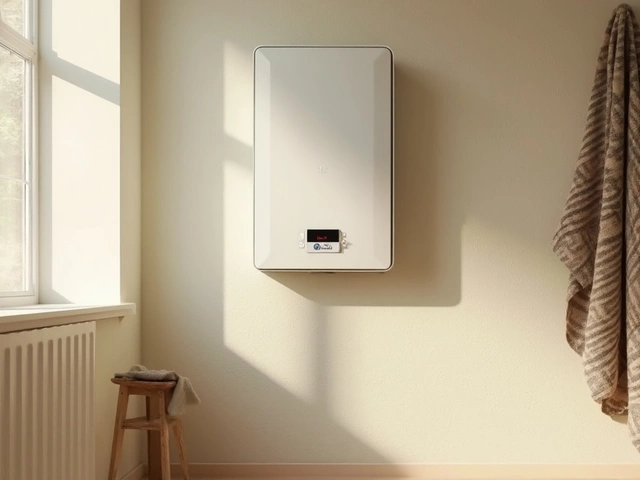
Troubles with your water heater might mean it needs a reset. Knowing when and how to reset it can prevent cold showers and unnecessary stress. This guide covers signs your water heater needs resetting, why it's important, and how to do it safely. Plus, learn some handy maintenance tips to keep it running smoothly.

Trying to figure out if you should repair your electric stove or just buy a new one? This article breaks down the real costs, common repairs, and the value of fixing versus replacing. Find out what issues are usually fixable, what repairs make sense, and when to let go. You'll also get practical tips for simple DIY fixes and signs you need a pro. Make a smart choice for your kitchen and your wallet.

Find out exactly how much it costs to fix a freezer that won't freeze in the UK. We break down repair prices for thermostats, compressors, and seals, helping you decide whether to repair or replace your appliance.
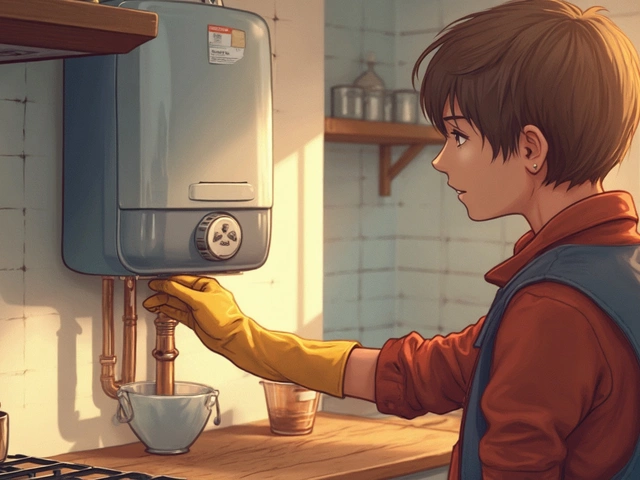
Resetting a water heater might seem simple, but it involves precaution. This article delves into when and why a reset might be necessary and explores the safety considerations involved. Learn about common signs that indicate a reset is due and the correct way to carry out this task. Discover the underlying causes of water heater issues to prevent future resets.
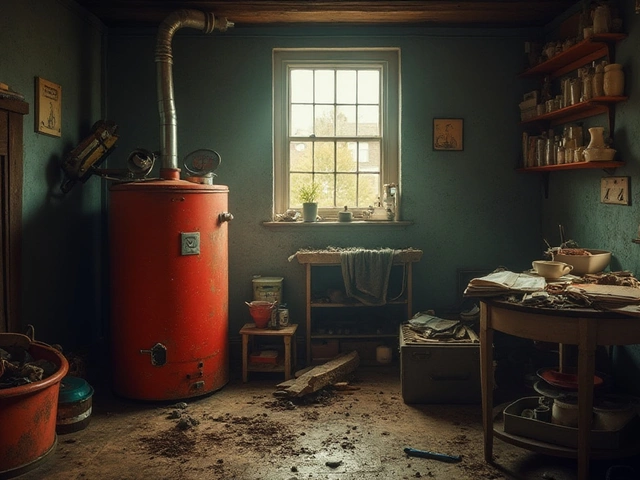
A 40-year-old boiler can pose potential safety risks. Understanding the wear and tear it undergoes over the decades is crucial. Regular maintenance and safety checks are essential to ensure it operates safely. Homeowners should consider the pros and cons of keeping such an old appliance. Discover tips and advice on making informed decisions regarding your boiler's safety and efficiency.