

Cold showers are annoying, but most water‑heater problems are easy to spot and fix. Below you’ll find the most common issues, quick DIY steps, and smart habits that keep your heater running for years. Whether you have an electric tank, a gas boiler, or a newer heat‑pump model, these tips work for all of them.
First thing to check is the thermostat. A dial that’s set too low or a sensor that’s failed will drop the water temperature. Raise the setting a few degrees and wait 15‑20 minutes; if the water stays warm, you’re done. If the temperature still drops, look for a tripped breaker or a blown fuse on electric units, or a pilot‑light issue on gas heaters. Resetting the heater is a common clue – if it keeps resetting, sediment buildup or a failing heating element is likely the culprit.
Flushing the tank once a year is the single most effective maintenance task. Drain the tank, let the water run clear, and refill it – this removes mineral crust that makes the heater work harder. While you’re at it, inspect the anode rod; a corroded rod invites rust inside the tank and shortens its lifespan. Replacing the rod every 3‑5 years is a cheap insurance policy. For heat‑pump or tank‑less models, clean the filters and check for blocked airflow; a clogged fan reduces efficiency and can cause overheating.
When it comes to lifespan, a well‑cared‑for water heater can last 10‑15 years. Some owners push past 20 years, but the risk of leaks and inefficiency rises sharply after the first decade. If your unit is approaching that age, start budgeting for a replacement – modern tanks are more energy‑efficient and can save you money on bills.
Finally, know when to call a pro. If you encounter leaking pipes, a cracked tank, or a persistent reset error after flushing and checking the thermostat, it’s safer to have a qualified plumber assess the situation. Trying to patch a tank yourself can lead to water damage and void warranties.
Keep these water heater tips in mind, and you’ll enjoy reliable hot water without surprise breakdowns. A few minutes of preventative care each year goes a long way toward comfort and lower energy costs.
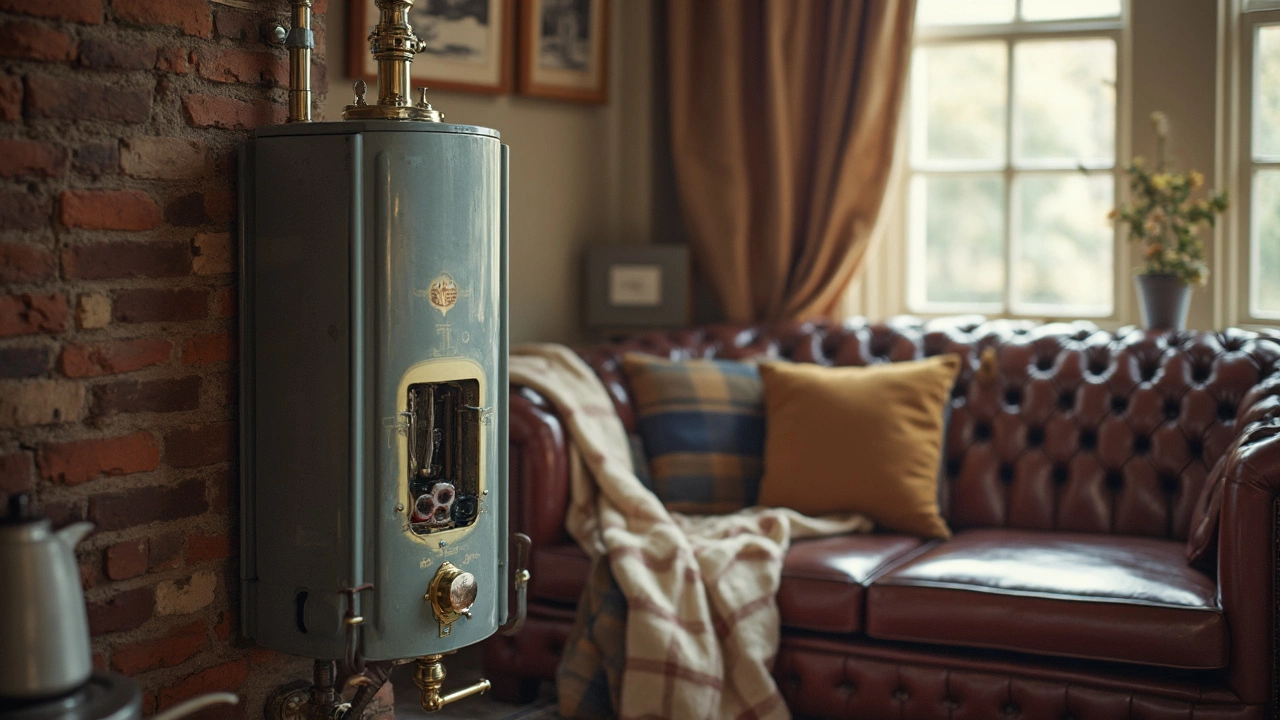
Water heaters don't last forever, so it’s important to know how long yours might stick around. Generally, these devices are built to last about 8 to 12 years, but several factors can influence their longevity. By understanding signs of wear, maintenance tricks, and when it's time to say goodbye to your old model, you can ensure hot showers won't become a thing of the past. Let's break down everything you need to know about your water heater's lifespan.
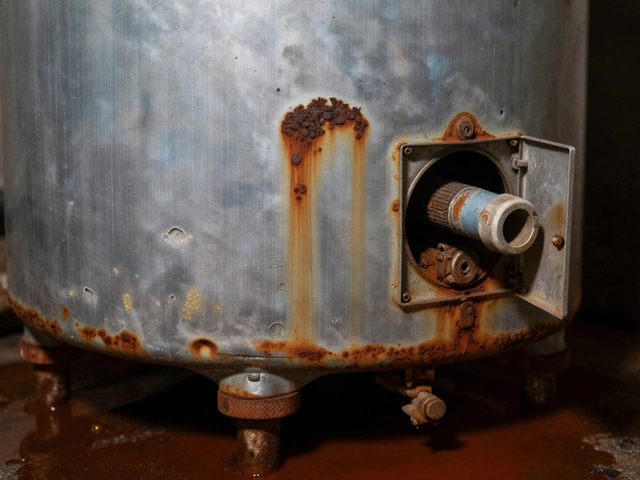
Water heaters commonly fail due to heating element burnout, thermostat issues, corrosion, and sediment buildup. Learn the top causes and how to spot them early to avoid costly repairs or sudden breakdowns.

When it comes to kitchen convenience, dishwashers are hard to beat. They free up our time, reduce water and energy use, and help keep our kitchenware sparkling clean. But how long should one really expect a dishwasher to last? This article will explore average lifespans, key factors affecting longevity, and practical tips for extending the life of your trusty machine, ensuring you get the most value and efficiency.
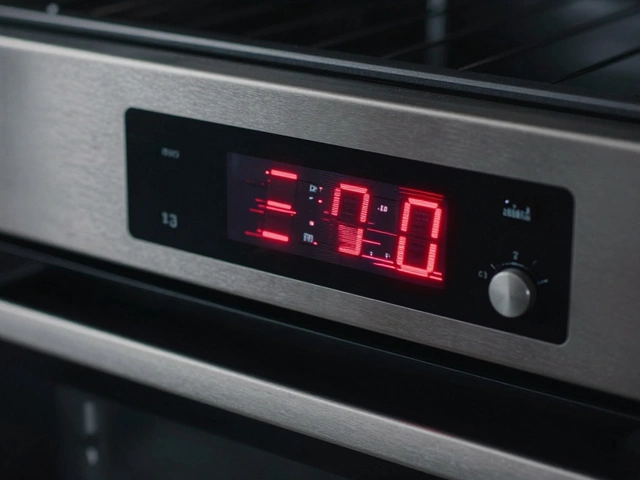
Learn how to identify a failing oven control board through specific signs like flickering displays, erratic heating, and error codes. Includes visual inspection tips, testing methods, and safety precautions for accurate diagnosis.
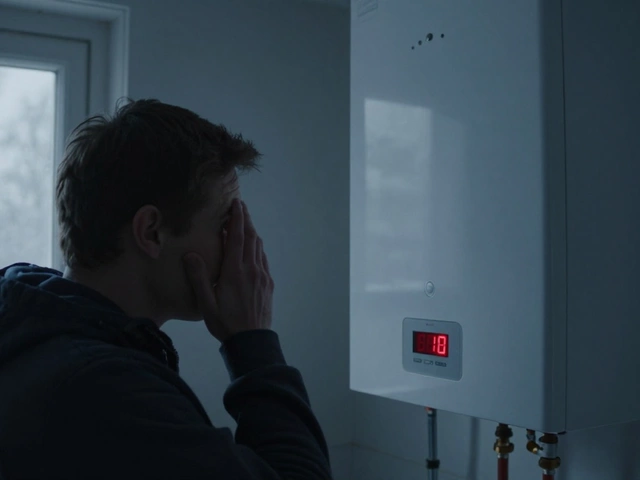
Is it worth repairing a 20-year-old boiler? Learn the costs of repair vs replacement, energy efficiency gains, and when to stop spending on old heating systems.

Microwave suddenly dead? It might be the fuse. This article breaks down the real cost of repairing a microwave fuse—parts, labor, hidden fees, and whether you should DIY. You'll get practical tips on when to call a pro, what brands cost more, and how to avoid common mistakes. A straightforward guide to help you fix your microwave without overspending.