

When your hot water suddenly turns cold or fluctuates between scalding and lukewarm, the problem often isn’t the tank—it’s the water heater thermostat, a small but critical component that controls the temperature of the water inside the tank. Also known as a temperature control unit, it’s the brain behind your heater’s ability to keep water at the right heat. Without it working right, even a brand-new tank won’t give you consistent hot water.
The water heater thermostat usually comes in pairs—one for the upper element and one for the lower—so if one fails, you might get hot water for a little while, then nothing. It’s not always a big, obvious break. Sometimes it just gets lazy. You’ll notice the water doesn’t stay hot as long as it used to, or you hear clicking sounds when the heater kicks in. If you’ve already checked the power, reset the breaker, and cleared any error codes, the thermostat is often the next suspect. It’s not the same as a boiler thermostat, which controls your whole heating system. This one lives right on the side of your water heater, tucked behind a panel, and it’s designed to last 8–12 years. After that, wear and tear start to show.
Many people try to fix this themselves. It’s doable if you’re comfortable turning off the power and working with basic tools. But if you’re unsure, calling a pro saves time and avoids the risk of electric shock or damaging the heating elements. The good news? Replacing the thermostat is usually cheaper than replacing the whole tank—especially if your heater is under 10 years old. You’ll also want to check the heating element at the same time, since a bad element can mimic thermostat failure. Most of the posts below cover these exact scenarios: why your hot water vanished, how to reset your heater, and what to look for when the thermostat stops responding. Whether you’re dealing with a 15-year-old unit or a newer model, knowing how the thermostat works helps you make smarter calls—on repairs, replacements, and when to call someone who knows what they’re doing.
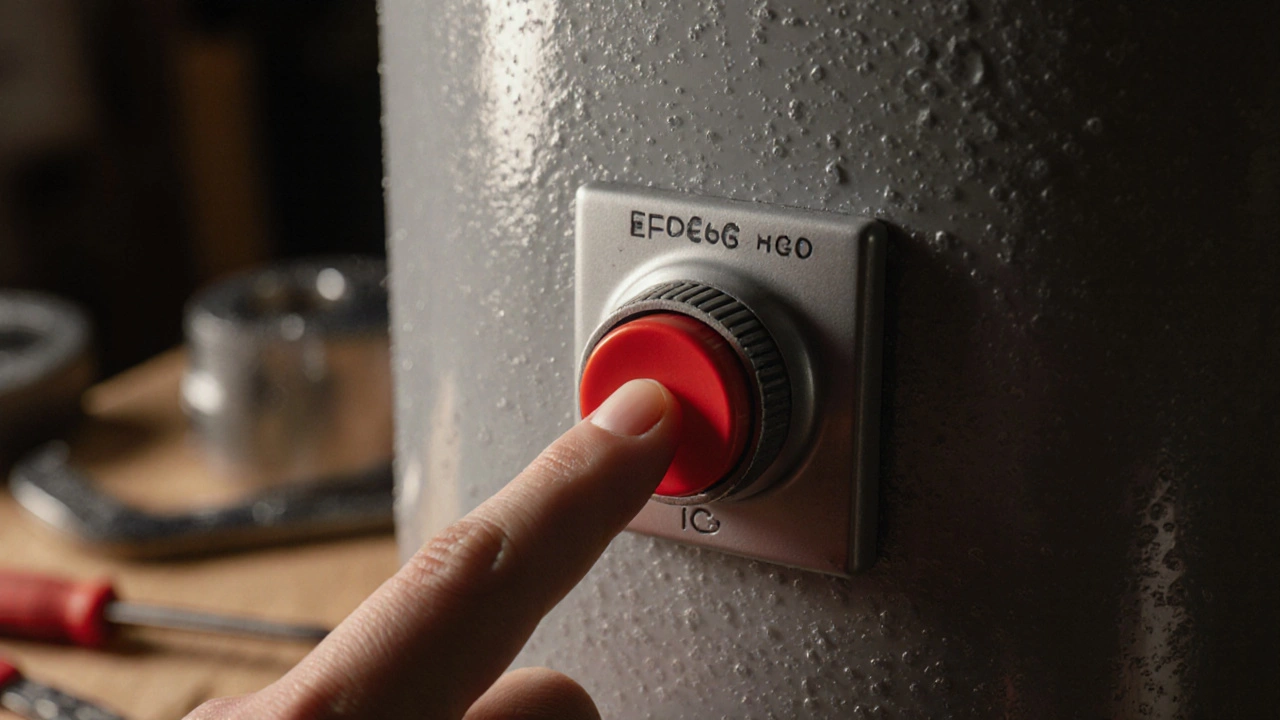
Learn how to properly reset your water heater's safety button - and why holding it down won't help. Find out what really causes it to trip and when to call a professional.
Microwave ovens, essential kitchen appliances for many households, can sometimes fail to operate smoothly. This article dives into the intricacies of microwave repair, exploring common issues, troubleshooting methods, and practical repair tips. Designed for both amateur DIY enthusiasts and curious individuals, the guide offers insights into understanding microwave components and determining when professional help is necessary. Learn the skills needed to fix minor problems and tips to maintain the efficiency of your microwave.
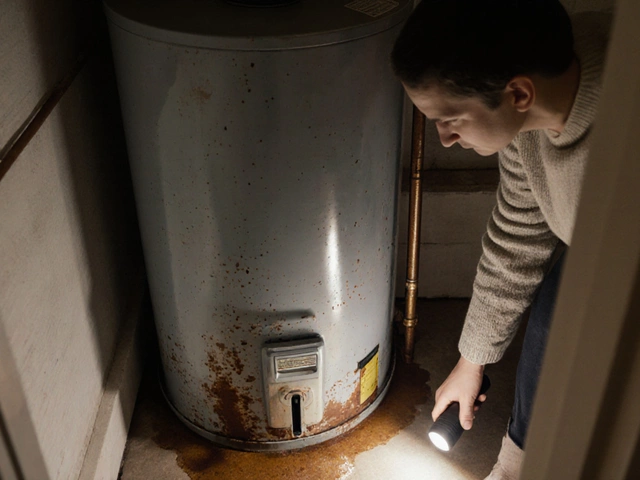
Find out if fixing a 20‑year‑old water heater makes sense. Compare repair costs, energy loss, and replacement price to decide the best move for your home.
Trying to figure out if you need a ventilation fan or an extractor fan? This article breaks down the differences between the two, explains how each one works, and shares tips for choosing and maintaining the right fan for your home. You’ll also pick up advice on recognizing issues, making easy repairs, and knowing when it's time to replace. If you’ve got problems with humidity, bad smells, or stuffy air, this guide is for you.
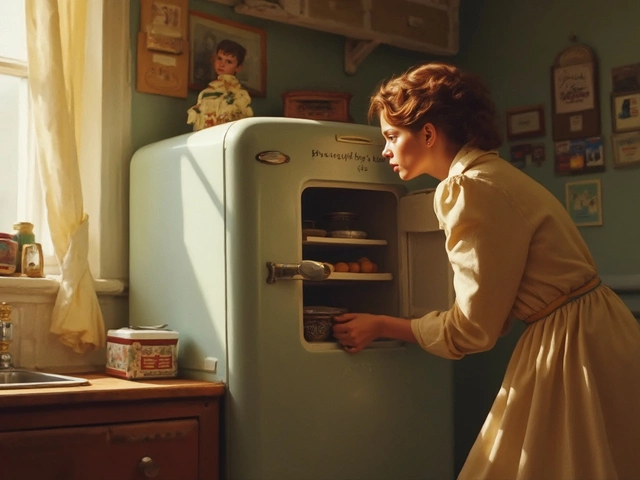
Fixing your fridge on your own can be a real money-saver if you know where to start. First, you've got to figure out what's actually wrong before grabbing your toolbox. With some basic tools and a little patience, you might just handle common issues like leaks, noisy operation, or poor cooling effectively. But sometimes, you also need to know when it's time to bring in a professional.
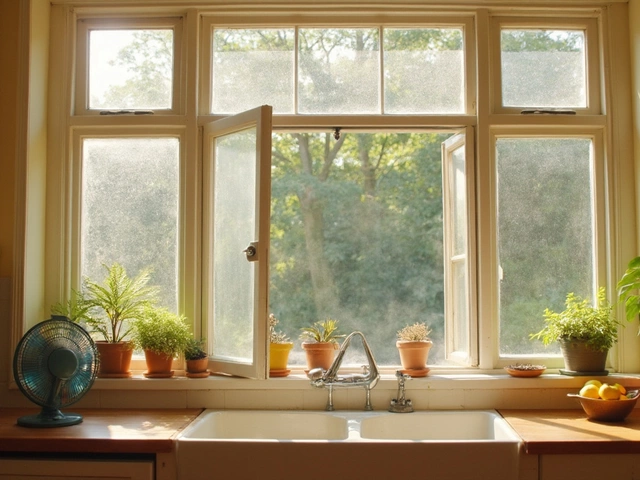
Stuck with a broken extractor fan and not sure what to do next? This article gives you practical ideas for improving air flow in your kitchen or bathroom when the fan is out of action. Learn about effective ways to keep humidity, smells, and condensation under control using simple tools and habits. Discover the pros and cons of each alternative solution so you can pick what fits your place best. Skip the stress and get the facts on dealing with bad ventilation the easy way.