

If your shower has turned icy overnight, the first thing to check is the water heater. Most of the time a simple reset will bring the heat back without calling a plumber. The reset button is built into the unit for exactly this reason – to clear a safety lock that trips when the system overheats or senses a fault.
Water heaters have safety sensors that shut the heater off if the water gets too hot, if there’s a power surge, or if a component fails. When the sensor trips, the heater stops heating and you get cold water. A reset clears the sensor and tells the unit to start up again. Common triggers include a sudden power cut, a loose heating element, or sediment buildup causing the thermostat to overheat.
Most modern electric water heaters have a red or black “reset” button on the thermostat, usually located behind a small access panel on the side of the tank. Gas heaters use a similar button on the control board, though you may also need to turn the gas valve off briefly.
1. Turn off the power. For electric units, flip the breaker in your fuse box to the “off" position. If you have a gas model, set the thermostat dial to the “off" setting and shut off the gas supply valve.
2. Locate the reset button. Remove the small metal panel on the side of the tank. Inside you’ll see a round button that’s either red or black. It may be slightly recessed, so you’ll need a flathead screwdriver to press it.
3. Press and hold. Push the button firmly for about 5 seconds. You should feel a click – that’s the safety latch releasing.
4. Restore power. Flip the breaker back on for electric heaters or turn the gas valve and thermostat back to the desired temperature for gas units.
5. Test the water. Wait a few minutes for the heater to fire up, then run hot water from the nearest tap. If the water is warm again, the reset worked.
If the water stays cold, repeat the reset once more. If it still won’t heat, the problem might be a broken heating element, a tripped high‑limit switch, or a more serious issue that needs a professional.
While you’re at it, it’s a good idea to flush the tank. Sediment builds up over time and can cause the thermostat to overheat, leading to repeated resets. Turn off the power, attach a garden hose to the drain valve, and let the water run until it’s clear. This simple maintenance step can keep your heater from tripping again.
Remember, safety first. If you smell gas, hear a hissing sound, or notice any strange noises, stop the reset process and call a qualified technician. A water heater is not the place to take chances.
By following these steps you can usually solve the cold shower problem in under ten minutes. A quick reset saves you time, money, and the hassle of a service call. Keep a screwdriver and a flashlight handy – you’ll thank yourself the next time the heater trips.
Got the reset button in a hard‑to‑reach spot? A small step ladder or a sturdy stool will make the job easier. And if you live in Bognor Regis, our experts are just a call away for any repair that needs more than a reset.
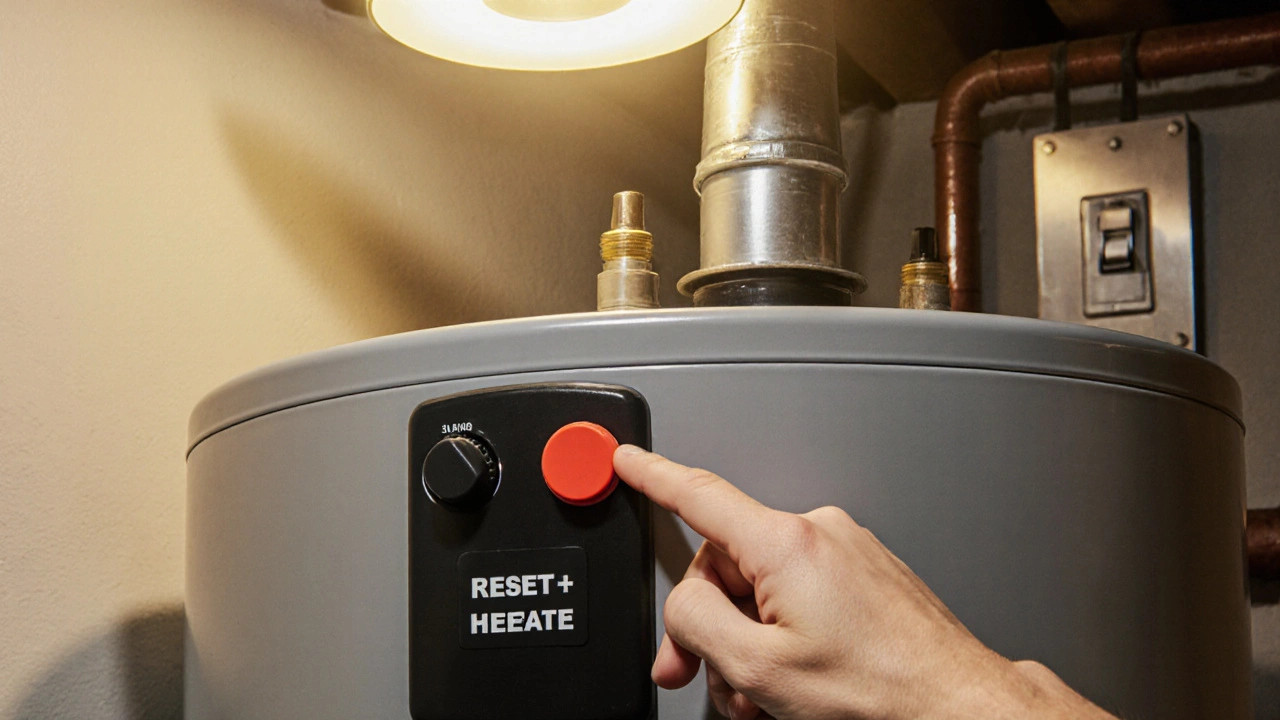
Learn how to safely reset both electric and gas hot water heaters, troubleshoot common issues, and know when to call a professional.

Wondering why your water heater keeps needing a reset before you get hot water? Learn the real reasons, what you can safely check, and when it’s time to call for help.
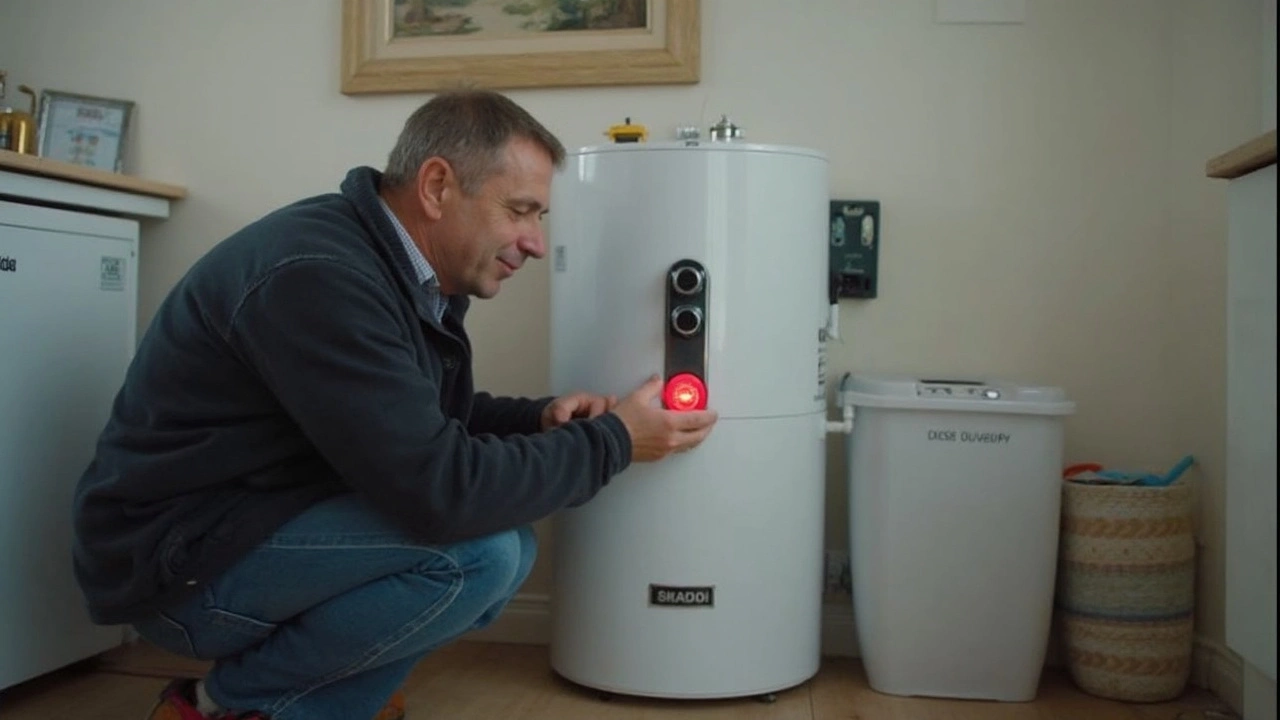
Ever wondered why you end up pushing that red reset button on your water heater over and over? This article digs into exactly what the reset button does, why it keeps tripping, and what can go wrong if you keep hitting it. Get clear answers about hidden water heater issues and learn simple steps to protect your system—and your wallet. We’ll walk you through warning signs, smart troubleshooting tips, and when it’s time to call a pro. No tech jargon, just straight talk for anyone tired of cold showers.
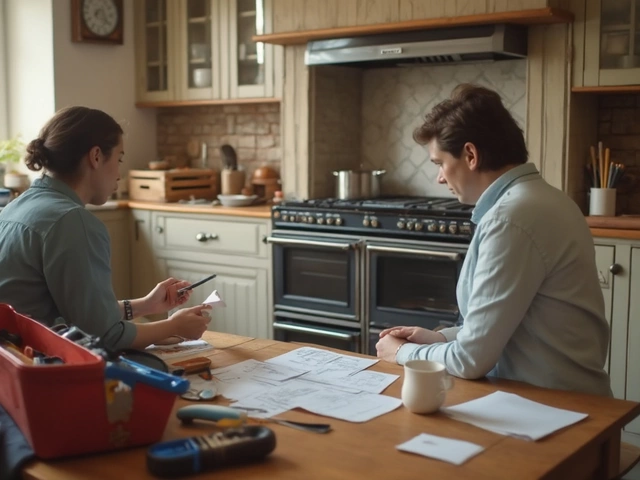
Thinking about whether to repair an 8-year-old oven? This article digs into the real costs and benefits, from repair bills to how long ovens actually last. You'll get tips on diagnosing simple issues yourself, signs to look for before calling a pro, and how energy efficiency compares between old and new models. See how warranties, brand reputation, and parts availability impact the final call. Get advice that’s practical, straight-up, and doesn’t waste your time.

Wondering what an appliance job really is? This article breaks down everything you need to know, from common types of jobs to what actually happens when a technician shows up at your door. You'll learn when to call for help, what to expect during a service visit, and how to get the best results for your money. Get practical tips before you book, so there are zero surprises. Whether it’s your fridge, washer, or oven acting up, this guide has your back.
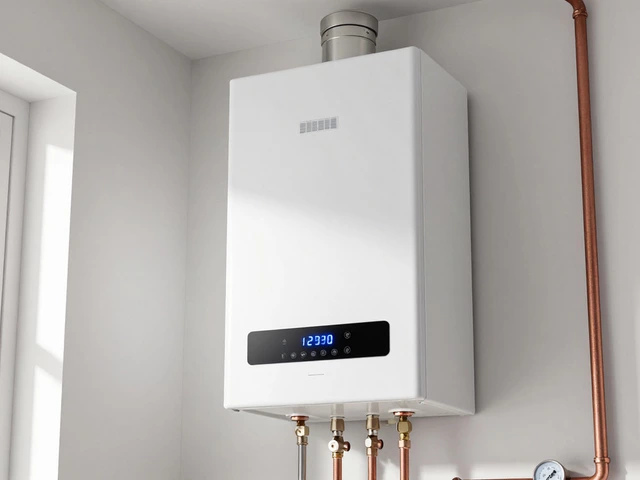
Discover why annual boiler servicing is essential for safety and efficiency. Learn what to expect during a check, warning signs to watch for, and how to save money on energy bills.
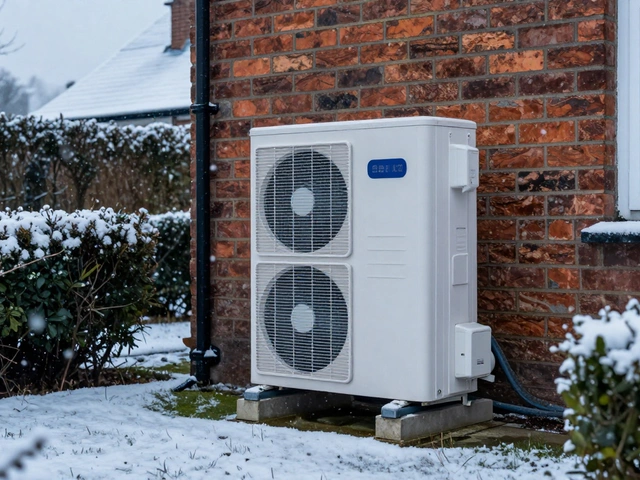
Discover real heat pump repair costs in the UK for 2026. Learn which faults are expensive, how maintenance saves money, and when to replace vs repair your system.

In the business world, appliances aren't just about the gadgets in your kitchen; they're tools and strategies central to operations. From simplifying daily tasks to enhancing efficiency, appliances play pivotal roles in various business aspects. Understanding their function means knowing how technology, devices, and smart systems integrate into business to drive productivity. Delving into real-life examples, this article provides insights and tips on leveraging appliances effectively.