

When your water heater leak, a malfunctioning tank or pipe system that releases hot water under pressure. Also known as a hot water tank leak, it’s one of the most urgent home problems you can face—especially if it’s a gas or electric model. Water pooling around your heater isn’t just messy. It’s a warning sign. Left unchecked, it can ruin flooring, warp walls, or even trigger mold growth in just days.
Most leaks come from five places: the pressure relief valve, the drain valve, the tank itself, loose pipe connections, or corrosion inside the tank. If it’s a small drip from the valve, you might fix it yourself. But if water is coming from the tank’s body? That’s usually the end of the line. Most water heaters last 8 to 12 years. If yours is older than that and leaking, replacement is almost always cheaper than repeated repairs. Electric water heater, a unit that heats water using electrical elements, commonly found in homes without gas lines models are prone to sediment buildup, which speeds up rusting. Gas water heater, a unit that uses a burner at the bottom to heat water, often more efficient but with more complex parts systems can leak from the flue pipe or gas line connections—both serious safety risks.
Don’t wait for your basement to flood. Turn off the water supply to the heater right away. For electric models, flip the breaker. For gas, turn the dial to "pilot." Then call a pro. Most leaks aren’t DIY fixes. Even if you think you’ve found the source, the real problem could be hidden—like a cracked tank lining or a failing anode rod. The posts below cover everything from how to reset a tripped safety switch to whether a 20-year-old heater is worth saving. You’ll find real fixes, cost breakdowns, and signs you’re dealing with a full system failure—not just a loose fitting. No fluff. Just what actually matters when your water heater starts leaking.
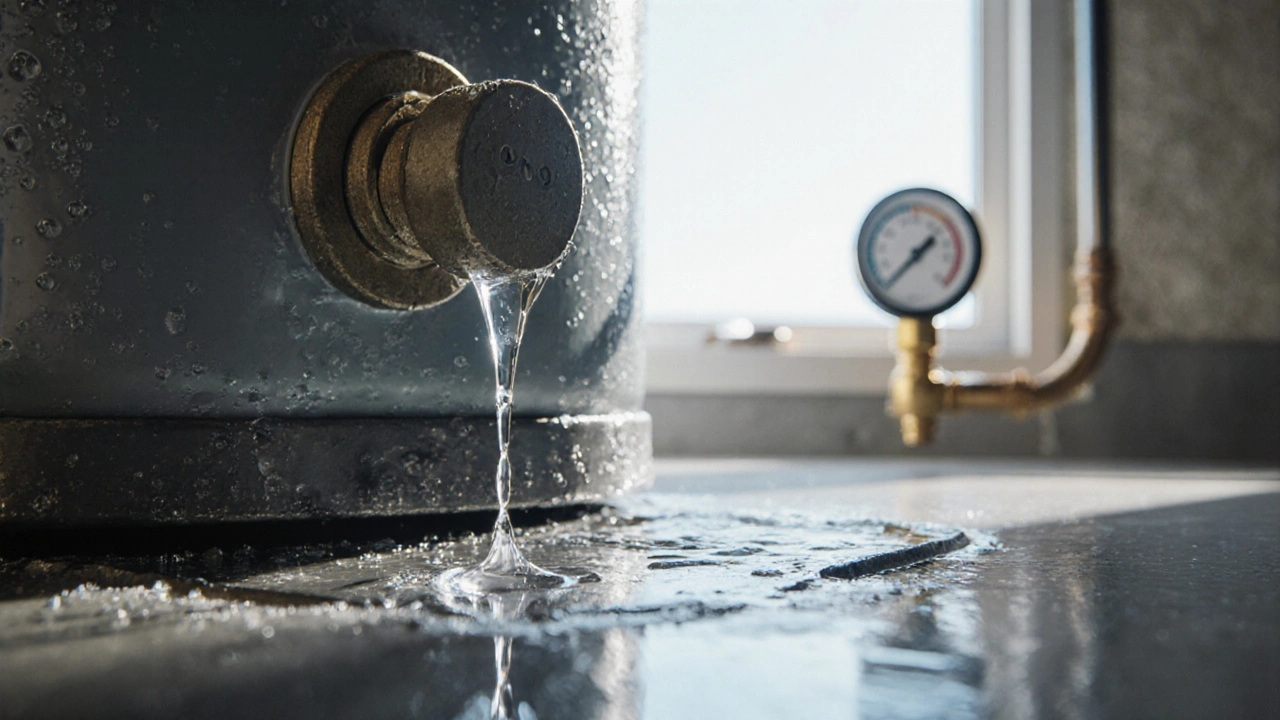
Water heater leaks usually come from five common spots: the pressure relief valve, anode rod, drain valve, tank corrosion, or pipe fittings. Learn where to look and how to fix it before it turns into a flood.

Struggling with an electric oven that isn't doing its job? This article guides you through common problems you might face with your electric oven, from strange noises to uneven cooking. You'll learn specific symptoms to watch for and practical ways to check what's wrong before calling a professional. Discover tips to keep your oven running smoothly and avoid kitchen headaches. No complicated jargon—just real advice that actually works.
Is your washing machine considered old? Learn the real lifespan, signs it's aging, and pro tips to keep it running longer. Get real facts and advice from an expert.
Wondering if fixing your 7-year-old washing machine is worth it? This guide helps you weigh the pros and cons. Consider factors like repair costs, common issues, and the appliance’s lifespan. Find out when it makes sense to repair or replace. Get informed tips to make the best decision for your laundry room.
Dealing with a water heater that keeps tripping can be a headache—hot water one minute and a cold shower the next. This article breaks down the most common reasons for this irritating problem, giving you clear steps for figuring out if it’s a simple DIY fix or if you should call in a pro. You’ll get straight talk, not complicated jargon or long-winded explanations. Learn what to check, what parts usually fail, and when your water heater might just be on its last leg. Get the confidence to handle the problem and save yourself a ton of hassle.

Wondering if it's worth repairing your electric oven or if you should just buy a new one? This article dives into the factors to consider, from cost effectiveness to the age of your appliance, helping you make an informed decision. We'll discuss common issues that can be fixed, when to call in a pro, and some smart tips to extend the lifespan of your oven. By the end, you'll know whether fixing or replacing is the better choice for your situation.