

Cold showers are annoying, but most water‑heater hiccups are easy to spot and often cheap to fix. Below you’ll find the most common reasons your heater stops delivering hot water, quick DIY steps, and clear signs that you need a professional.
First, check the power source. Electric heaters need a 240‑volt supply; a tripped breaker or a loose connection will shut the element down instantly. If you have a gas unit, make sure the pilot light is lit and the gas valve is fully open.
Another frequent culprit is sediment buildup. Over time minerals settle at the bottom of the tank, insulating the heating element or burner and forcing the system to work harder. The result is a slower recovery time and sometimes a complete loss of heat.
Thermostat mis‑settings also cause problems. Many homeowners set the dial too low to save energy, then wonder why the water never gets warm enough. The sweet spot is usually around 120 °F (49 °C) – hot enough for comfort, safe for pipes, and still efficient.
Leaking tanks are harder to hide. Look for puddles around the base, rust stains, or a constantly running pressure‑relief valve. A small leak can turn into a big repair, and in many cases replacing the unit is cheaper than fixing a corroded tank.
Finally, a water‑heater that keeps resetting is often signaling a faulty high‑limit switch or an overheating element. The switch trips to protect the unit, then resets when it cools. Repeated trips suggest a deeper electrical issue that most DIYers should leave to a qualified repairer.
Regular flushing is the cheapest way to extend life. Turn off power or gas, attach a garden hose to the drain valve, and let the tank empty until the water runs clear. Do this once a year; if you have hard water, twice a year works better.
While the tank is empty, inspect the anode rod. This sacrificial metal piece grabs corrosion before the tank does. If it’s more than 50 % worn, replace it – a simple wrench job that can add years to your heater.
Testing the heating element is next. Remove the access panel, disconnect the wires, and use a multimeter set to ohms. A reading of 10‑30 Ω usually means the element is healthy; anything higher indicates a break.
If you find a broken element, a replacement costs about £30‑£50 plus labour. Swapping it yourself is doable if you’re comfortable with basic electrical work – always turn off the breaker first.
Call a professional when you encounter any of these red flags: persistent resetting, unexplained leaks, noisy rumbling, or a faulty thermostat. A qualified engineer can safely handle gas connections, replace the high‑limit switch, and ensure everything complies with UK safety standards.
In short, most water‑heater issues start with a simple power check, a flush, or a thermostat tweak. Keep a maintenance schedule, watch for the tell‑tale signs of sediment or leaks, and you’ll enjoy hot water without costly surprises.
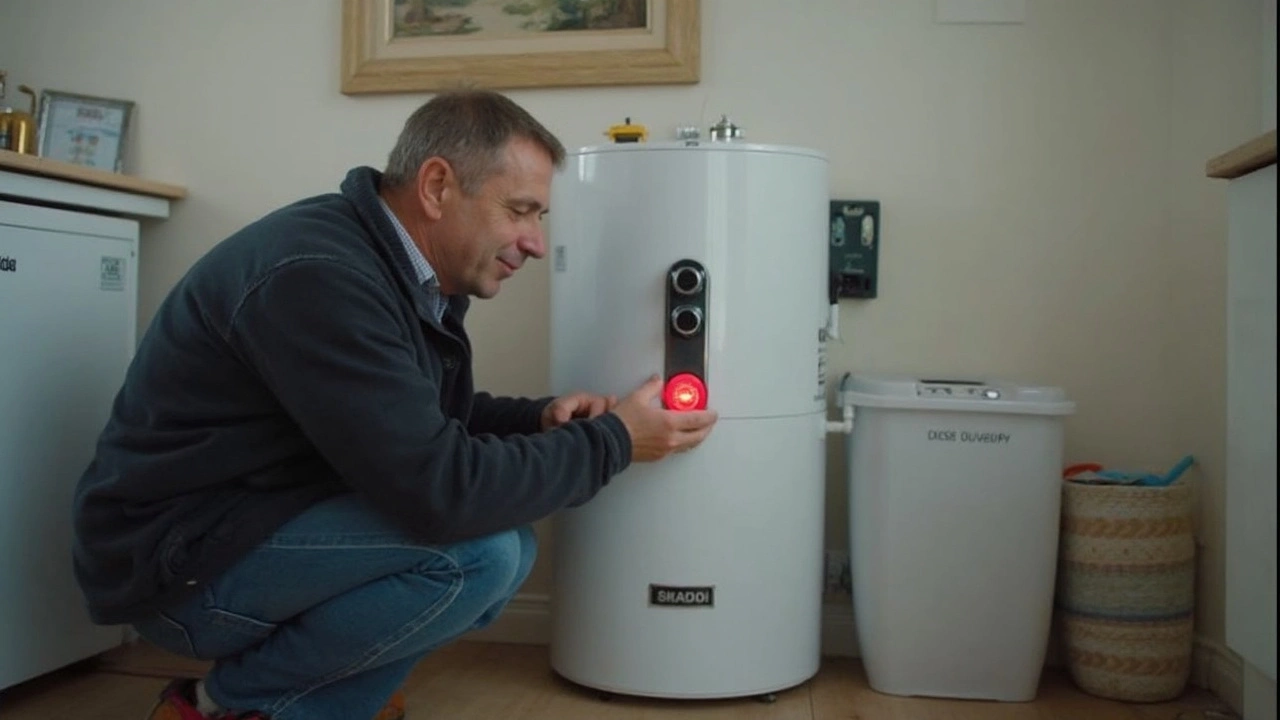
Ever wondered why you end up pushing that red reset button on your water heater over and over? This article digs into exactly what the reset button does, why it keeps tripping, and what can go wrong if you keep hitting it. Get clear answers about hidden water heater issues and learn simple steps to protect your system—and your wallet. We’ll walk you through warning signs, smart troubleshooting tips, and when it’s time to call a pro. No tech jargon, just straight talk for anyone tired of cold showers.
Is it possible for a hot water heater to last 30 years? Here’s a detailed look at what determines water heater longevity, what rare cases look like, and how you can extend your heater’s life with smart habits.
Discover how long pressure cookers last, comparing stovetop vs electric models. Learn signs of wear, repair options, and maintenance tips to extend lifespan safely.
Discover when to worry about your boiler, warning signs to watch, and smart tips for safe use. Get practical advice to avoid major boiler headaches.

When your water heater only puts out cold water, it’s more than just annoying—it can point to real problems inside the unit. This article breaks down the most common reasons behind a water heater that refuses to warm up, from tripped breakers to busted heating elements. You’ll find tips on quick checks you can do at home before calling a pro, plus some unexpected facts about how water heaters really work. Knowing what’s wrong can save you from a frigid morning shower and a giant repair bill. Get ready to tackle that cold water problem with practical advice you can use right away.
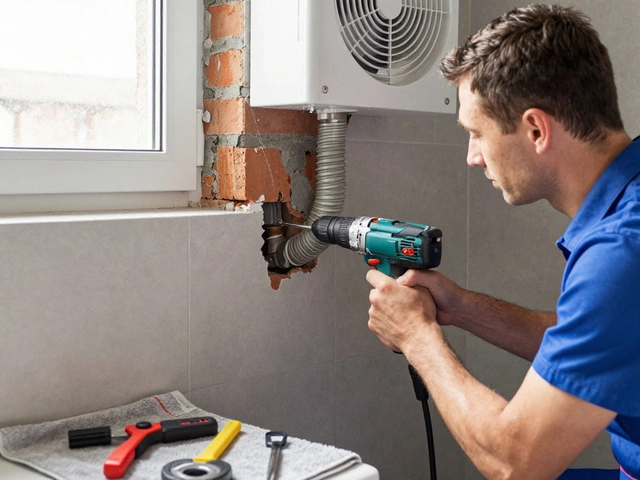
Can a plumber fit an extractor fan? While they can install the unit, only a qualified electrician can legally and safely handle the wiring. Learn what you need to know before hiring anyone.