

If your washer is making strange noises or leaking, the first question you’ll ask is, "How much will this fix cost?" The answer isn’t one‑size‑fits‑all, but we can break it down into the main things that affect the price.
Most common fixes – like a broken door latch, a faulty pump, or a busted heating element – sit between £50 and £150. Labour usually runs £40‑£70 per hour, and parts add another £20‑£80 depending on the model. If you need a control board replacement, expect the bill to jump to £200‑£300 because the part itself can be pricey.
New machines cost £300‑£800 for basic models and up to £1,500 for premium brands. A good rule of thumb: if the repair price is more than half the cost of a new washer, it’s time to replace. Age matters too – most machines last 8‑12 years. After that, wear‑and‑tear makes future fixes more likely.Here are three signs it’s smarter to buy new:
If any of those apply, you’ll save money in the long run by swapping for a modern, energy‑star unit.
What about DIY? Simple tasks like cleaning the lint filter, checking the hose for kinks, or resetting the overload protector can be done in minutes for free. But anything involving electrical components or disassembly should be left to a qualified technician – especially in Bognor Regis where safety regulations are strict.
Choosing a repair service? Look for a company that offers a clear quote before work starts, guarantees parts for at least 12 months, and has good local reviews. Our team at Bognor Regis Appliance Repair Experts provides transparent pricing, same‑day visits, and a no‑surprise bill policy.
Finally, don’t forget maintenance. Running a hot wash once a month, tightening loose bolts, and descaling the machine can add years to its life and keep costs low.
Bottom line: assess the fault, compare the repair quote to the price of a new washer, and factor in the age of your current machine. If the numbers line up, you’ll know whether to call a pro for a quick fix or start shopping for a replacement.

Wondering if you should repair your washing machine or just buy a new one? This article breaks down when it's smart to fix your appliance and when it's better to let it go. Get tips on common washing machine problems, repair costs, and simple troubleshooting steps. Plus, learn how to avoid getting ripped off by price gouging repair techs. If laundry day is starting to look like a coin toss, read this before calling the junk hauler.
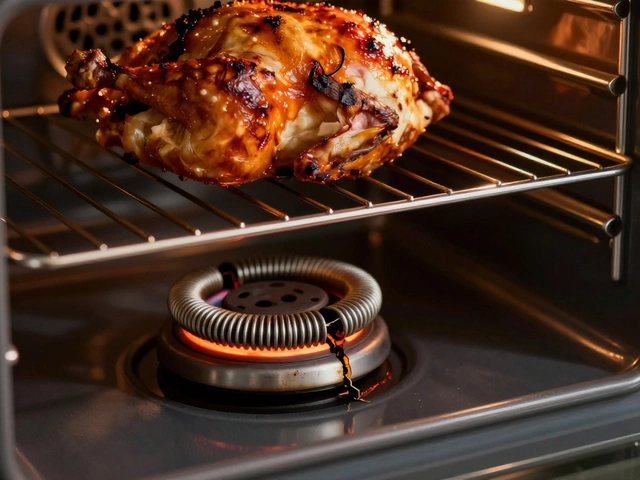
Discover if replacing your oven heating element is cost-effective compared to buying a new appliance. We break down repair costs, DIY steps, and signs of failure to help you decide.

Wondering when to replace your cooker? This article breaks down the real signs that your cooker is on its last legs, what affects its lifespan, and how to keep it running safely for longer. Get practical tips straight from real-life experience and find out how to spot issues before they turn expensive. Whether you use gas or electric, knowing when to repair or replace makes all the difference in your kitchen.
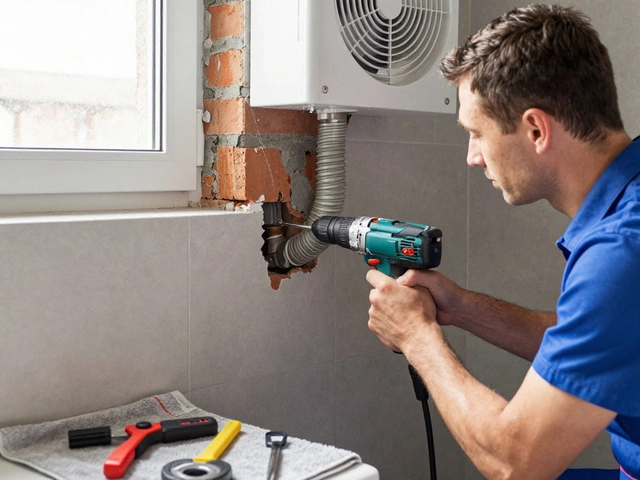
Can a plumber fit an extractor fan? While they can install the unit, only a qualified electrician can legally and safely handle the wiring. Learn what you need to know before hiring anyone.
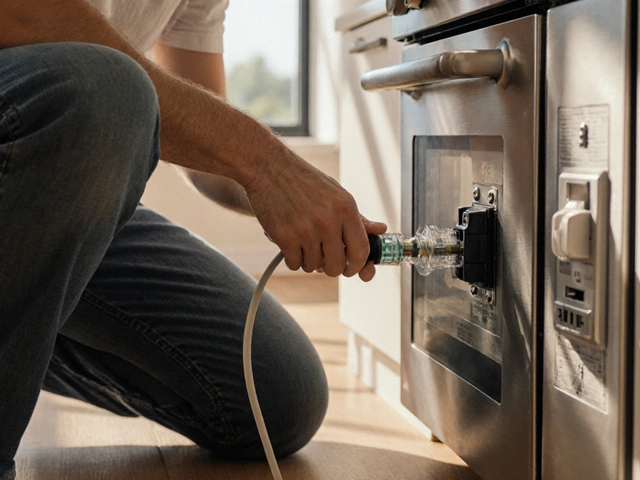
Learn why your electric oven suddenly stopped working, diagnose power, element, thermostat or safety fuse issues, and decide when to DIY or call a repair professional.

When it comes to microwaves, understanding their lifespan is crucial for homeowners looking to make informed decisions about maintenance and replacement. This article delves into the essential factors that affect the longevity of microwaves, offering practical tips on extending their lifespan and recognizing when it's time for a new one. You'll learn about common signs of wear and tear, the importance of proper usage, and how regular servicing can enhance performance. Discover how to keep your microwave running efficiently and what to do when repairs are inevitable.