

Good ventilation isn’t a luxury, it’s a need. It stops mould, clears cooking smells, and keeps the air in your home feeling fresh. If you’ve ever wondered why the kitchen stays steamy after a big meal or why the bathroom feels clammy, the answer is usually a tired extractor fan or a blocked vent. Below you’ll find straight‑forward advice to keep air moving without hiring a pricey contractor.
Every room that produces moisture or odour needs a way to let that air out. In the kitchen, a working extractor fan pulls steam and grease away from cabinets and walls. In the bathroom, it removes humidity that can cause mould on tiles and paint. Even living rooms benefit from occasional fresh‑air intake to lower indoor pollutants. When fans slow down, make strange noises, or stop altogether, you’ll notice the problems piling up – foggy windows, lingering smells, and a damp feeling that never goes away.
Bad ventilation can also affect your heating and cooling bills. A sluggish fan forces your boiler or air‑source heat pump to work harder, which means higher costs. So fixing or replacing a fan isn’t just about comfort; it’s about saving money too.
If your extractor fan still runs but isn’t pulling air well, start with a simple clean‑out. Turn off the power, remove the cover, and vacuum the blades and motor housing. Dust and grease buildup is the #1 cause of reduced performance. Once it’s clean, tighten any loose screws and check the wiring for signs of wear.
When cleaning isn’t enough, you might need a full replacement. Our guide “How to Replace a Kitchen Extractor Fan Yourself” walks you through each step – from choosing the right size to wiring the new unit safely. Most fans are mounted with a few screws and a quick electrical connector, so the job can be finished in under an hour with a screwdriver, drill, and basic safety gear.
How often should you swap out a fan? Generally, kitchen fans last 5‑10 years, while bathroom fans can stretch a bit longer if they’re not over‑used. Look for signs like rattling, a burning smell, or a sudden drop in suction. If any of these appear, it’s time to act before water damage sets in.
Regular maintenance keeps fans happy. Schedule a quick inspection every spring: turn the fan on, feel for airflow, and listen for unusual noises. A 5‑minute check can catch problems early and extend the life of the unit.
Sometimes the issue isn’t the fan itself but the ductwork. Make sure the duct isn’t crushed, blocked, or too long. Straight, smooth ducts move air best. If you spot a kink or a buildup of lint, clear it out or replace that section.
When you’ve tried cleaning, checked the duct, and the fan still under‑performs, call a pro. Our technicians know how to test motor voltage, replace sealed bearings, and upgrade to quieter, more efficient models. A quick service call can save you from a bigger repair down the line.
Remember, fresh air makes a home healthier and more comfortable. Whether you’re tackling a simple clean‑up or fitting a brand‑new extractor, the steps above give you a clear path. Need a hand or have questions about the right fan for your space? Give Bognor Regis Appliance Repair Experts a call – we’re just around the corner and ready to help.
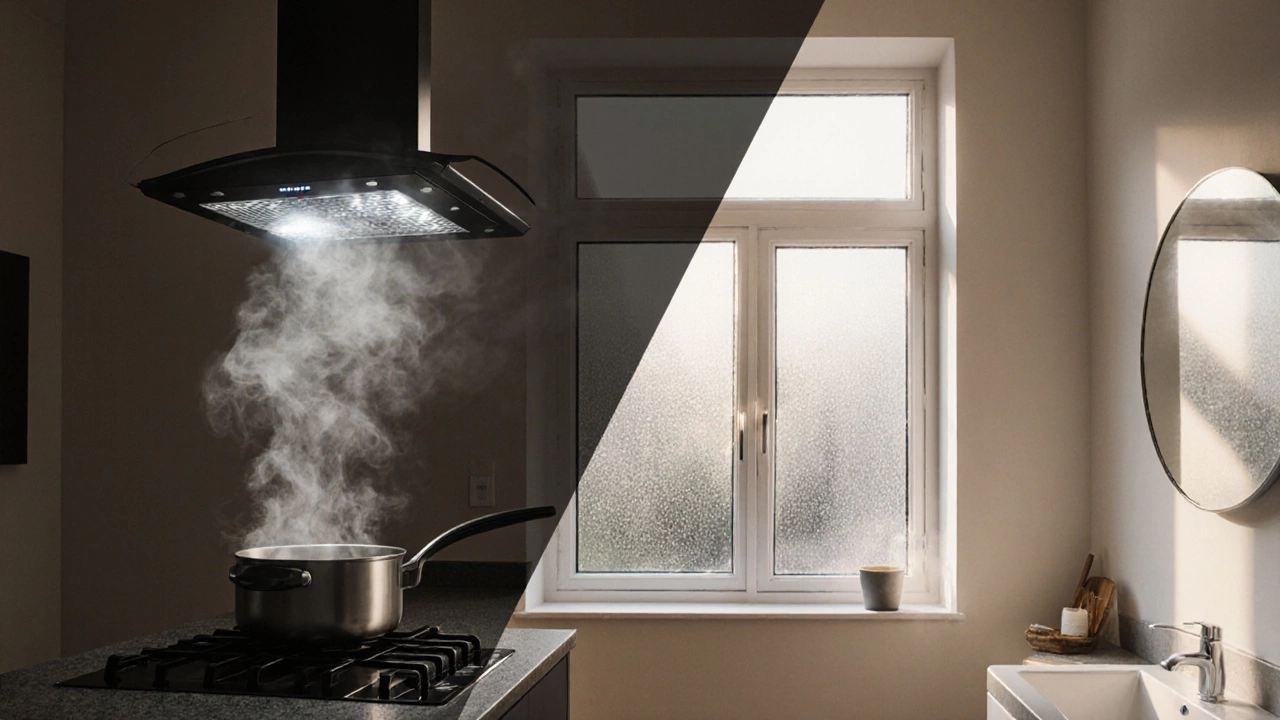
Explore whether you can live without an extractor fan, covering UK regulations, health risks, passive ventilation tricks, dehumidifier use, and when a mechanical fan becomes essential.

Stuck with a broken extractor fan and not sure what to do next? This article gives you practical ideas for improving air flow in your kitchen or bathroom when the fan is out of action. Learn about effective ways to keep humidity, smells, and condensation under control using simple tools and habits. Discover the pros and cons of each alternative solution so you can pick what fits your place best. Skip the stress and get the facts on dealing with bad ventilation the easy way.
Choosing the right extractor fan can be a tricky task with so many options on the market. This guide breaks down key factors like fan types, sizes, noise levels, and energy efficiency to help you make an informed decision. We dive into tips on proper sizing and essential features to look for. Find maintenance tips and tricks to keep your fan running smoothly. Equip yourself with the knowledge you need to ensure a wise investment.

Not using an extractor fan can lead to unexpected issues in your kitchen or bathroom. From accumulating moisture and odors to potential damage over time, extractor fans play a crucial role in home maintenance. This article explores why these devices are essential, the problems that arise from neglecting them, and practical tips on proper care and repair.

Discover if electric hobs can be fixed, cost breakdowns, DIY steps, safety tips, and when to replace. A practical guide for UK homeowners.

Fixing your fridge on your own can be a real money-saver if you know where to start. First, you've got to figure out what's actually wrong before grabbing your toolbox. With some basic tools and a little patience, you might just handle common issues like leaks, noisy operation, or poor cooling effectively. But sometimes, you also need to know when it's time to bring in a professional.

Wondering if your oven can hit the 20-year mark? This article digs into what really decides how long an electric oven lasts, from the make to how you treat it. Get real tips to keep yours running strong, spot early signs of trouble, and find out when repair is smarter than replacement. No fluff—just straight answers for anyone looking to save money and avoid surprise oven breakdowns. This is your guide to squeezing every last year out of your electric oven.

Discover what an appliance specialist really does. From complex diagnostics to safety compliance, learn why hiring a certified expert protects your home and wallet.

Learn the real cost to fix a broken oven, from common repairs like heating elements and thermostats to when it's better to replace. Get pricing, tips, and expert advice for 2026.