

Good airflow does more than stop smells – it stops mold, keeps appliances cool, and helps your heating and cooling work better. Most Bognor Regis homes rely on kitchen and bathroom extractor fans, so knowing how to look after them saves you time, money, and a lot of hassle.
Dust and grease love the tiny blades inside an extractor fan. If you hear a whirring noise that sounds weak or notice a lingering steam smell, it’s time to clean. Turn off the power, remove the front grille, and use a soft brush or a vacuum on low suction to clear the buildup. A damp cloth with mild detergent wipes away stubborn grime – just avoid soaking any electrical parts.
Most experts recommend a quick visual check every three months and a deeper clean twice a year. In a busy kitchen or a bathroom that gets a lot of use, you might need to clean more often. The effort is tiny compared with the cost of a professional repair.
Fans don’t last forever. A well‑maintained unit typically runs 5‑7 years, but heavy‑duty models can stretch to 10 years. Look for signs like rattling, reduced airflow, or the motor staying on after the switch is off. If cleaning doesn’t fix the problem, the motor or bearings are likely worn out.
Replacing a fan is a straightforward DIY job for most homeowners. You’ll need a screwdriver, the right size replacement fan, and a few minutes of time. Make sure the new fan matches the old one’s voltage and size – most kitchen fans are 120 mm or 150 mm, while bathroom fans often run on a lower voltage for safety.
When you buy a new fan, choose one with a quiet rating (measured in sones) and an easy‑clean grille. Some models even have a built‑in timer, which helps save energy by turning off automatically after a set period.
Remember, regular maintenance not only keeps the air fresh but also protects other appliances. A clogged kitchen fan can force your oven or hob to overheat, and a struggling bathroom fan can let moisture damage paint or plaster.
So set a reminder on your phone, grab a brush, and give your fans a quick check every few months. A little effort now means you’ll avoid noisy, smelly, or broken fans later – and your home will stay comfortable all year round.
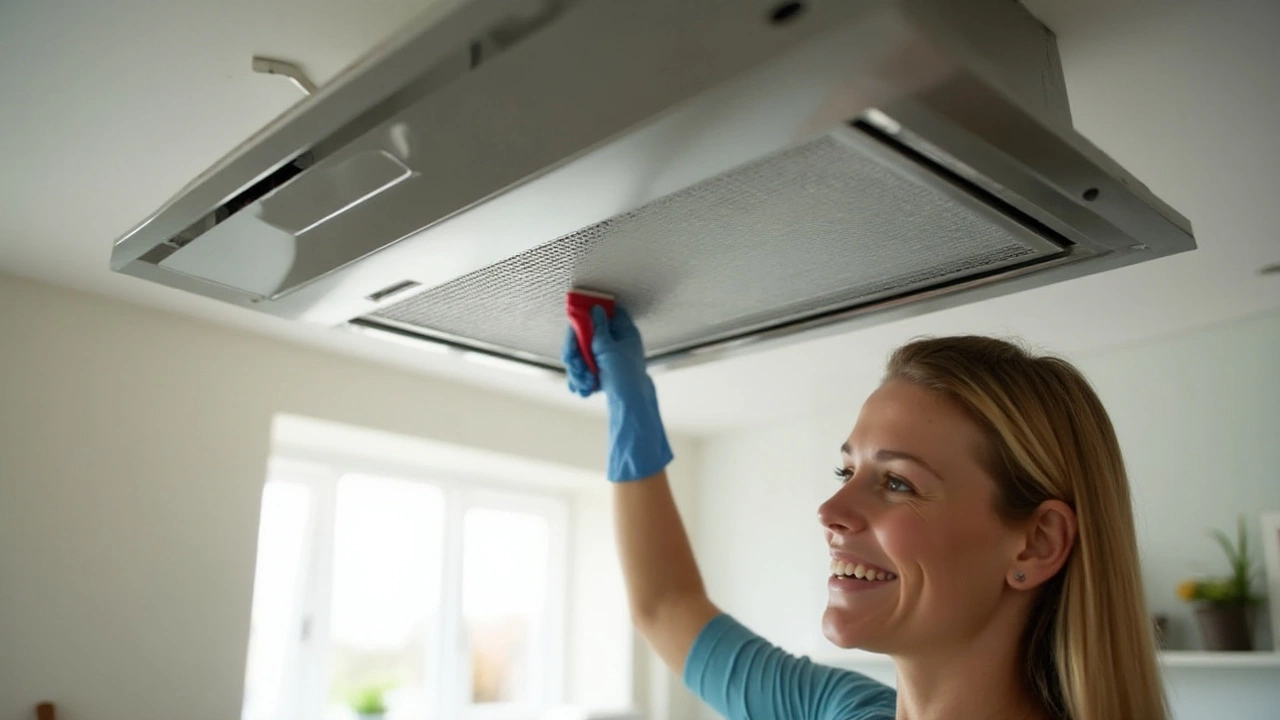
Routine maintenance of extractor fans is crucial to maintaining indoor air quality and ensuring the efficient operation of these ventilation systems. This article explores why servicing extractor fans is important, providing insight into potential problems that may arise if overlooked. Learn how regular upkeep can prevent costly repairs and improve the lifespan of your equipment. Discover practical tips and a step-by-step guide on how to ensure your extractor fan is operating at its best. Keep your home fresh and healthy by understanding the significance of extractor fan servicing.
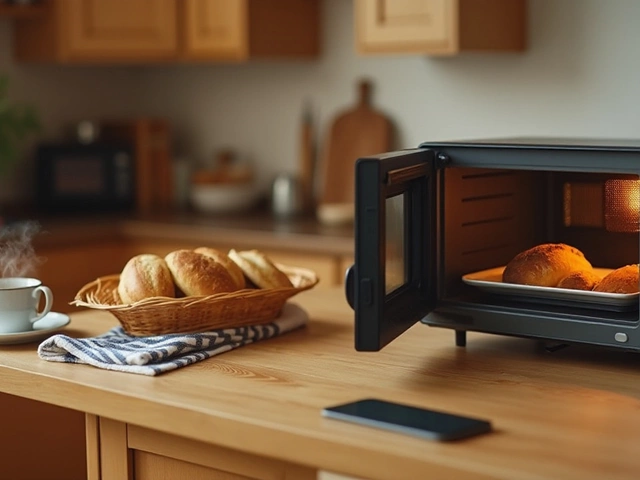
Microwave ovens are essential appliances due to their convenience in heating food. However, they can encounter several problems over time. The most frequent cause of microwave failure is a faulty door switch. This article discusses common microwave problems, how to identify them, and offers practical guidance on how to handle these issues.

Looking for the right person to service your boiler? Here’s what you need to know about boiler service, finding qualified engineers, costs, and why it matters in 2025.
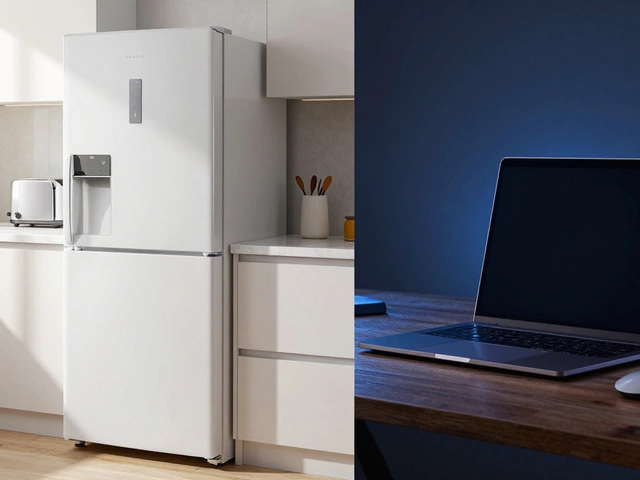
Is a laptop an appliance? Discover why the distinction between consumer electronics and household appliances matters for repairs, warranties, and insurance.

Gas cooktops are an essential part of the modern kitchen, but like all appliances, they can encounter problems over time. This article provides valuable tips and tricks on how to diagnose and repair common gas cooktop issues such as faulty igniters, uneven flames, and gas leaks. With useful insights and step-by-step guidance, even the least experienced DIY enthusiasts can potentially save money and extend the lifespan of their cooktops. If the repairs are too complex or safety is at risk, it is always advisable to seek professional assistance.
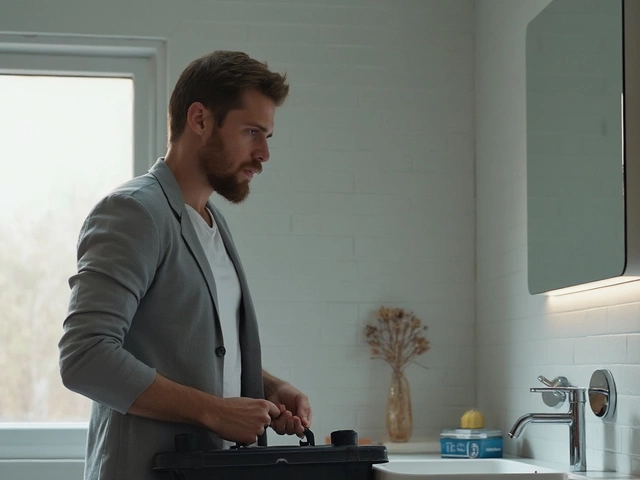
Discover who to call when your bathroom extractor fan starts acting up. This article explores whether to hire a professional electrician or tackle it yourself, highlighting common issues and maintenance tips. You'll also learn why keeping your fan in top shape matters more than you might think.