

We all know a kitchen that smells like fried fish or a bathroom that steams up the mirror – bad ventilation is the silent culprit. The good news? Fixing it is often as simple as swapping an old extractor fan, cleaning a filter, or calling the right trade. Below you’ll find straight‑forward advice that gets the air moving without a PhD in HVAC.
If your fan hums but never clears the steam, it’s probably time for a new unit. Most kitchen or bathroom fans last 5‑10 years. Look for these signs: reduced suction, rattling noises, or a motor that runs hot. A quick visual check of the blades and the vent duct can confirm wear. Replacing a fan isn’t a job for a weekend warrior unless you’re comfortable with basic tools – a screwdriver, a drill, and a dust mask are all you need.
First, turn off the power at the circuit breaker – safety always comes first. Unscrew the old fan housing, pull the wiring out, and note how it’s connected. Most fans use a simple three‑wire setup (live, neutral, earth). Clip the wires to the new unit, secure the housing, and seal any gaps with foil tape to keep drafts out. Test the fan before you close the wall plate; if it whirs cleanly, you’re done. For cramped spaces, a flexible duct can make the fit easier without major cuts.
Even if you’re not feeling DIY‑ready, you don’t have to guess who can fix it. Electricians and qualified ventilation specialists handle fan repairs regularly. They’ll check the motor, replace worn bearings, and ensure the vent runs straight to the outside – a common mistake that creates back‑drafts and mold. Asking for a quote that breaks down labor and parts keeps surprises away.
Maintenance is the secret sauce that stretches a fan’s life. Clean the filter every 2‑3 months; a greasy filter chokes airflow and forces the motor to work harder. Use a vacuum brush or a mild detergent solution, then let it dry completely before reinstalling. Also, give the fan blades a quick wipe‑down – dust builds up faster than you think.
Sometimes the problem isn’t the fan at all. A blocked vent pipe, especially in older homes, can sap suction. Inspect the exterior vent cap for leaves, nests, or dead insects. A simple removal and clear‑out can boost performance instantly. If you notice a persistent odor, it might be a hidden clogs issue, and a professional can use a flexible camera to check the duct.
For whole‑home air flow, consider adding a passive vent in the attic or a trickle vent in the bathroom. These tiny openings let fresh air in while letting stale air escape, balancing pressure without needing electricity. Pair them with a good extractor fan and you’ll keep humidity in check, preventing mould and preserving paint.
Bottom line: good ventilation isn’t a luxury, it’s a health hack. Spot the signs of a struggling fan, replace it with the right size unit, keep the filter clean, and call an electrician if you hit motor trouble. Follow these steps, and you’ll enjoy a fresher, dryer home without breaking the bank.

Extractor fans are crucial for maintaining fresh air and reducing humidity in various parts of a home. When these fans malfunction, it's important to know who to call for repairs. This article guides homeowners on how to find reliable extractor fan repair services. We'll look at why professional help is essential and what to consider when selecting a repair technician.
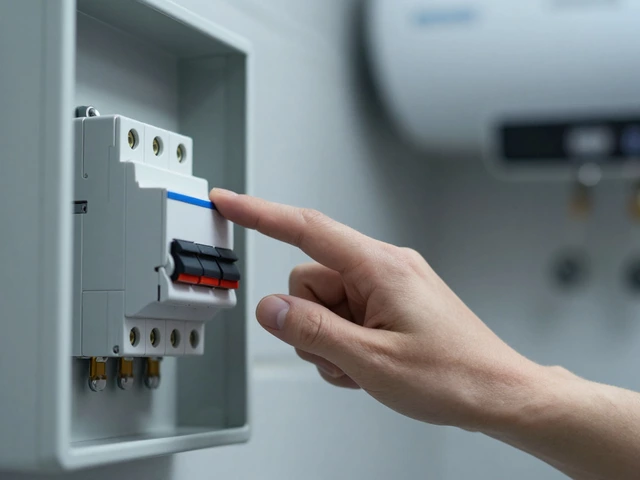
Struggling with a broken hot water heater? Learn how to troubleshoot common issues like tripped breakers, thermostat faults, and leaks before calling an expensive repair service.

Learn fast how to spot a blown microwave fuse, test it safely, and replace it yourself. Step‑by‑step instructions, tools needed, and common pitfalls covered.
When your microwave starts making strange noises or fails to heat your food, it might be time to think about the magnetron. It's like the heart of your microwave, but is it worth the trouble to replace it or should you just buy a new one? This article explores the costs, benefits, and the nitty-gritty of magnetron replacement, throwing in some pro tips to help you make the right decision.

Gas hobs can suddenly stop working for a bunch of reasons, from ignition troubles to blockages or problems with gas supply. This article breaks down the main causes, so you don't have to guess what went wrong. You'll learn easy troubleshooting steps and a few quirky facts about why these appliances get stubborn. With some quick checks, you might even save yourself a call to the repair guy. Know when it’s a simple fix and when it’s time for a pro.

Maintaining a boiler goes beyond just an annual check-up. Regular maintenance ensures that your heating system runs efficiently, prolonging its lifespan and saving money on repairs. This article delves into necessary care tips, signs indicating a need for professional help, and actions homeowners can take to keep their boilers in top shape. Understanding the importance of each maintenance task can help prevent unexpected breakdowns, especially during colder months.