

Good airflow does more than stop smells – it stops mold, saves energy, and makes rooms feel comfortable. Most homeowners don’t realize a stuck fan or a clogged vent can raise heating bills by 15 %. Let’s clear up the basics so you can breathe easier without calling a pro every time.
Every kitchen, bathroom, and laundry needs fresh air to carry away steam, cooking fumes, and moisture. When the extractor fan doesn’t work, humidity builds up, leading to mould on walls and a musty smell. The same goes for upstairs rooms; poor circulation traps dust and allergens.
Besides health, ventilation impacts your heating and cooling system. A well‑ventilated home retains heat longer in winter and lets cool air flow in summer, meaning your boiler or heat pump doesn’t work overtime. In short, a small fan can save big money.
First, check the power. Unplug the fan, remove the cover, and look for loose wires or a blown fuse. A quick visual inspection fixes many problems without a technician.
If the fan hums but doesn’t spin, the motor bearings might need cleaning. Use a soft brush and a bit of oil, then test again. Most modern fans last years with this simple care.
When it’s time to replace, measure the old unit’s diameter and note the vent size. Most kitchen and bathroom fans fit standard 100 mm or 150 mm ducts. Grab a new fan with the same airflow rating (measured in m³/h) to keep performance consistent.Installation is straightforward: mount the new fan with the supplied brackets, connect the wiring according to the colour code, and seal the duct with foil tape. Tight seals stop air leaks, which can otherwise undo all your work.
Don’t forget the filter. A clogged filter reduces airflow and makes the motor work harder. Clean or replace it every 3‑6 months depending on use. A quick wipe with a damp cloth keeps the fan quiet and efficient.
For homes with heat pumps, ensure the outdoor unit has clearance and isn’t blocked by debris. A blocked coil looks like a dirty fan – clean the area, check the fan blades, and you’ll often restore warm air output instantly.
Finally, test everything. Turn the fan on and feel the air at the vent; you should get a steady breeze. Run the heat pump for a few minutes and notice if warm air reaches the room. If anything feels off, a quick call to a qualified ventilation expert can catch hidden issues before they become costly repairs.
With these simple steps, you can keep your home ventilated, your bills low, and your indoor air clean – all without waiting for a service call.

Keeping your home well-ventilated is essential, and extractor fans play a crucial role in maintaining air quality. Whether you're installing a new fan or repairing an old one, it's important to know who to call. Professional electricians and specialized ventilation technicians are the go-to experts. They ensure fans are properly installed and functioning efficiently, saving you from potential hassles down the road.
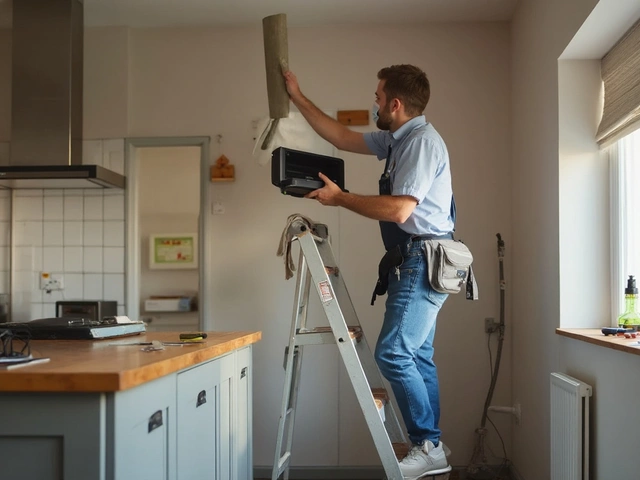
Wondering if you can swap out an extractor fan without calling in a pro? This article breaks down what it really takes to replace an extractor fan yourself, from the easy steps to watch-outs that could trip you up. Learn which tools you’ll need, how to stay safe with electricity, and where to draw the line and call an expert. Get helpful tips and facts straight from a practical perspective. Perfect for anyone ready to tackle a home repair without risking their safety or their ceiling.

Learn the typical cost of repairing a gas oven igniter, compare DIY vs professional pricing, and discover tips to keep your repair bill low.

Experiencing no hot water in the shower can be frustrating, especially on cold mornings. This article provides practical solutions to diagnose and resolve common issues with your water heating system. From checking simple things like the thermostat to identifying more complex issues like a faulty heating element, you'll learn how to get back to enjoying a warm shower.

Discover how long electric hobs last, from ceramic to induction models. Learn signs of failure, repair vs. replace costs, and tips to extend lifespan.

Annoyed by standing water at the bottom of your dishwasher? This article breaks down why your dishwasher isn't draining, what can cause it, and how to troubleshoot the most common issues. Learn about clogged filters, garbage disposal connections, and more. I'll also share some handy tips to help you prevent problems in the future. Whether you're a first-timer or have dealt with dishwasher headaches before, you’ll find practical advice here.