

So your freezer is humming but not getting cold enough? It’s a frustrating feeling, especially when you’re about to throw away frozen food. The good news is most freezer hiccups have easy fixes you can try before you pick up the phone. Grab a pen, follow these steps, and you’ll know if the issue is something you can solve yourself or if a professional is needed.
First, let’s look at the usual suspects. A warm freezer can be caused by:
Knowing which of these sounds familiar will guide your next move.
1. Inspect the door seal. Close the door on a piece of paper. If you can pull the paper out easily, the gasket isn’t sealing. Clean it with warm, soapy water and a soft cloth. For cracks or tears, replace the seal – it’s a cheap part you can buy locally.
2. Verify the temperature control. Most freezers work best at –18°C (0°F). If the dial is set higher, lower it a few degrees and give the unit 24 hours to adjust.
3. Clean the condenser coils. Unplug the freezer, locate the coils (usually at the back or underneath), and brush away dust with a vacuum brush or a soft brush. A clean coil helps the compressor stay efficient.
4. Check for frost buildup. If you see a thick layer of ice inside, the defrost system might be stuck. Defrost the freezer by unplugging it, letting the ice melt (place towels to catch water), and then restart it. If the problem returns, the timer or heater likely needs a professional fix.
5. Rearrange the contents. Make sure there’s space for air to circulate. Avoid placing hot items directly in the freezer and keep large boxes away from the walls.
6. Listen to the compressor. You should hear a low hum when the compressor runs. If it’s silent or makes clicking noises, the motor might be failing – that’s a job for an expert.
After you’ve run through these checks, give the freezer a full day to stabilise. If it still isn’t cold enough, it’s time to call a repair service. A qualified technician can test refrigerant levels, replace faulty thermostats, or repair the compressor.
Bottom line: most freezer problems start with simple, everyday issues like a dirty seal or clogged coils. A quick routine check can save you time and money, and keep your food frozen the way it should be.
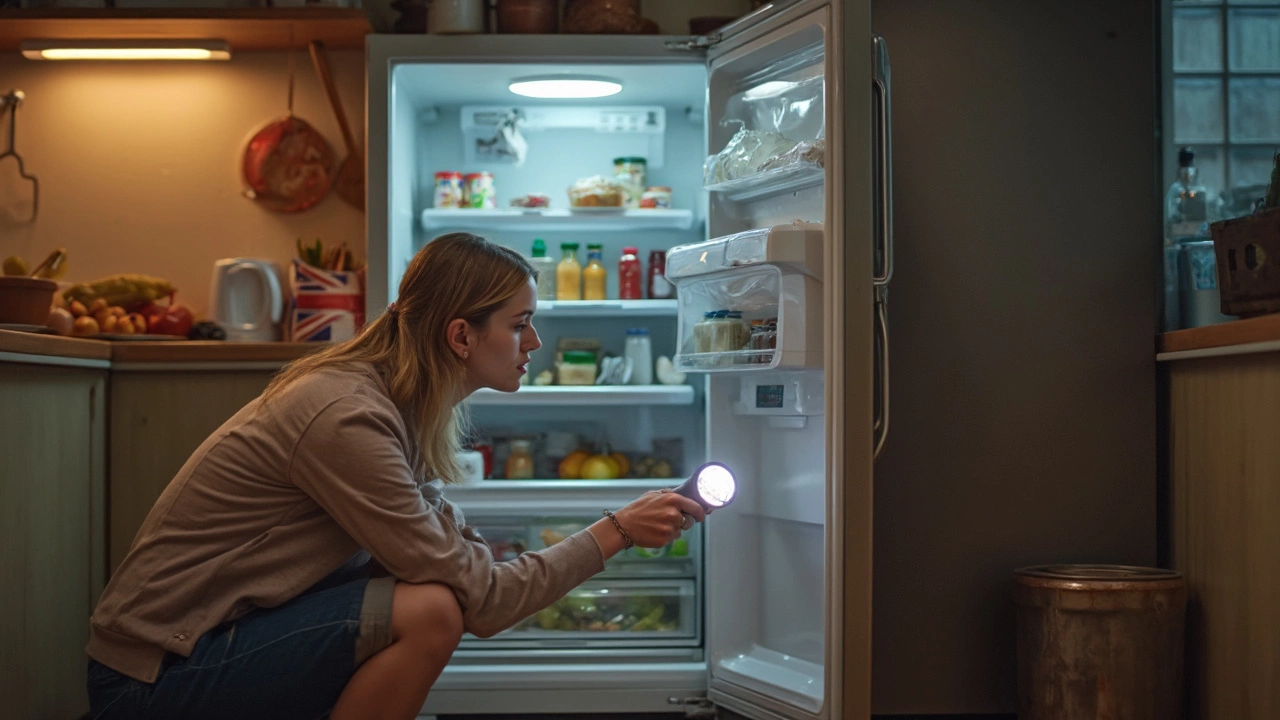
Why would a freezer suddenly stop working? This article uncovers the most common reasons, from electrical hiccups to sneaky broken parts. Get clear tips to troubleshoot on your own before calling in the pros. You'll also find surprising facts—like a forgotten coin trick to check freezing power. Whether it's food loss or a mystery beep, you'll get straight answers and a path to a cold fix.
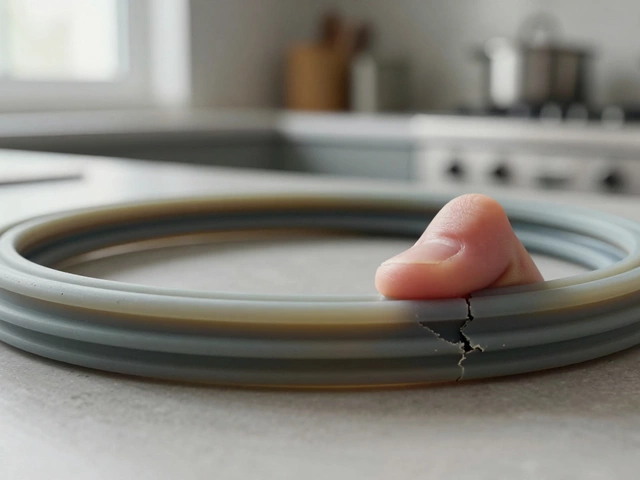
The most common pressure cooker problems are leaking steam, bad seals, clogged valves, and lid issues. Learn how to diagnose and fix them yourself before replacing your cooker.
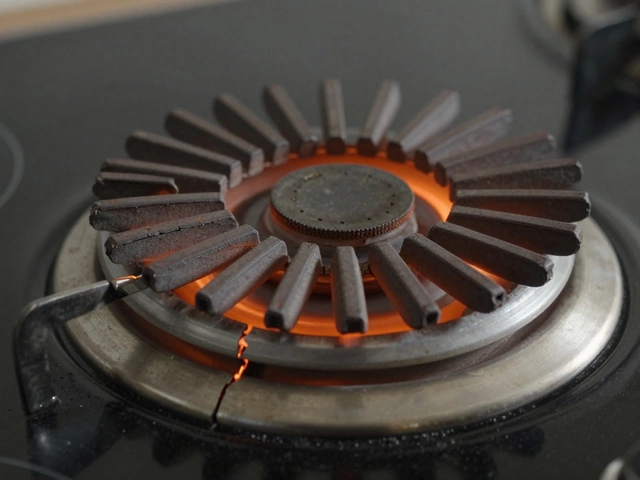
Learn how to tell if your electric stove element is bad with simple visual checks, multimeter tests, and common signs of failure. Save money by diagnosing and replacing it yourself.
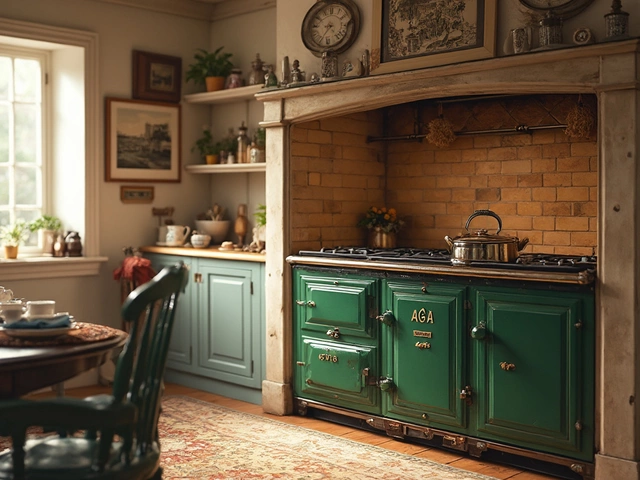
Ever wondered how long your trusty range oven will last? On average, a well-maintained range oven can serve you for about 10 to 15 years. Routine cleaning and minor repairs can help extend its lifespan. Knowing when to repair or replace your oven is crucial for efficiency and safety. Read on for practical tips to make sure your oven lasts as long as possible.

Extractor fans play a pivotal role in maintaining air quality in kitchens and bathrooms by expelling moisture, odors, and smoke. If your extractor fan suddenly stops working, it can lead to persistent humidity or unpleasant smells. This guide provides practical steps for diagnosing and fixing common issues that can cause an extractor fan to malfunction. From checking power supply and fuses to cleaning and replacing parts, understanding the intricacies can save you time and money. By following these steps, you can restore your extractor fan’s functionality and maintain a comfortable home environment.

Dealing with a lack of hot water can be incredibly frustrating, especially during colder months. This article provides step-by-step guidance to identify and fix common issues with water heaters, ensuring you can tackle minor problems yourself before calling a professional. By understanding the functionality and common problems associated with water heaters, you can save time, money, and avoid inconvenient cold showers.