

Ever step into the shower expecting a warm splash and end up shivering? A cold shower isn’t just uncomfortable—it can waste water, energy, and your patience. Luckily most cold‑shower problems have simple causes and easy fixes you can try before calling a pro.
First, make sure the thermostat on your hot water heater is set high enough. Many people turn it down to save energy, then forget it. A setting between 55‑60°C (130‑140°F) keeps water hot without scalding. If the dial looks fine, look at the pilot light (for gas heaters) or the circuit breaker (for electric heaters). A flicked breaker or an out‑of‑flame pilot means no heat.
Next, examine your shower valve. Older mixing valves can wear out, letting cold water sneak in. Turn the faucet fully to hot—if it’s still lukewarm, the valve is likely stuck. A quick temporary fix is to remove the handle and clean any mineral buildup; sometimes that’s all that’s needed.
1. Flush the water heater. Sediment builds up over time and blocks heat transfer. Turn off power or gas, attach a hose to the drain valve, and let the tank empty. Fill it back up, fire up the heater, and you may notice hotter water instantly.
2. Bleed air from the pipes. Air pockets can cause a sudden drop in temperature. Open the hot tap at the farthest faucet in your home for a minute, then shut it. This pushes trapped air out and restores steady heat.
3. Inspect the thermostat sensor. Some electric heaters have a reset button on the thermostat. Press it if it’s tripped. If the water still stays cold, the thermostat itself may be faulty and need replacement.
4. Check for a broken dip tube. The dip tube sends cold water to the bottom of the tank where it’s heated. If it’s cracked, cold water mixes directly with hot water, delivering a lukewarm shower. Spotting a dip tube issue usually means you’ll need a new heater, but a quick visual check can confirm the problem.
If none of these steps bring back hot water, it’s time to call a qualified plumber or heater specialist. Explain what you’ve already tried—they’ll appreciate the info and can focus on the deeper issues like a failing heating element or a corroded boiler.
Remember, a cold shower is rarely a mystery. By checking the thermostat, valve, and simple DIY fixes, you can often solve the problem yourself and get back to a comfortable rinse in no time.
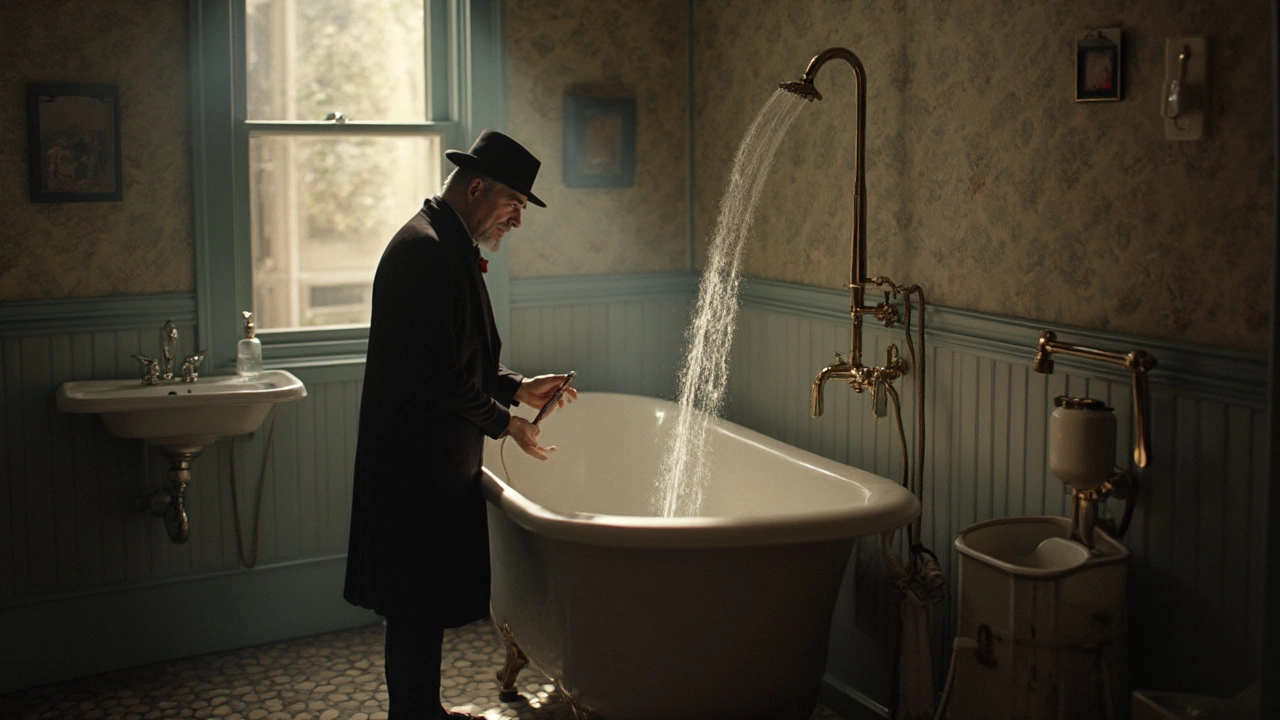
A puzzling situation arises when your shower lacks hot water while the sink heats perfectly fine. This article dives into possible reasons like different pipe routes, shower valve issues, and water heater capacity. It also offers practical solutions, such as checking the temperature settings and flushing the water heater to remove sediment. Understanding common plumbing malfunctions can lead to quick fixes without calling a professional.
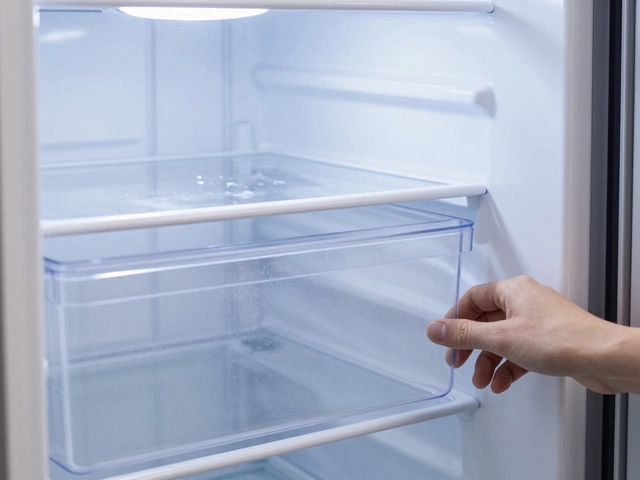
Is your freezer not making ice? Learn how to fix common issues like clogged filters, frozen water lines, and faulty sensors with this easy guide.
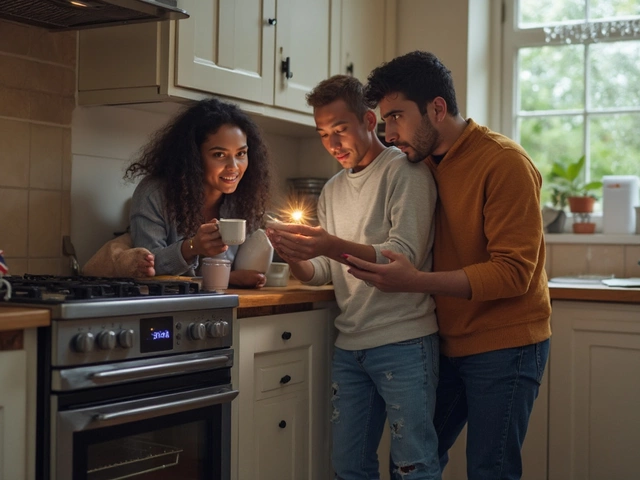
Electric ovens are handy, but they're not immune to problems. This article breaks down the most common faults people face, from ovens not heating properly to strange noises and error codes. You’ll get real tips on troubleshooting and signs when it’s time to call in the pros. Save time (and maybe some frustration) by knowing what to look out for. Find out why your oven might let you down and how to deal with it.
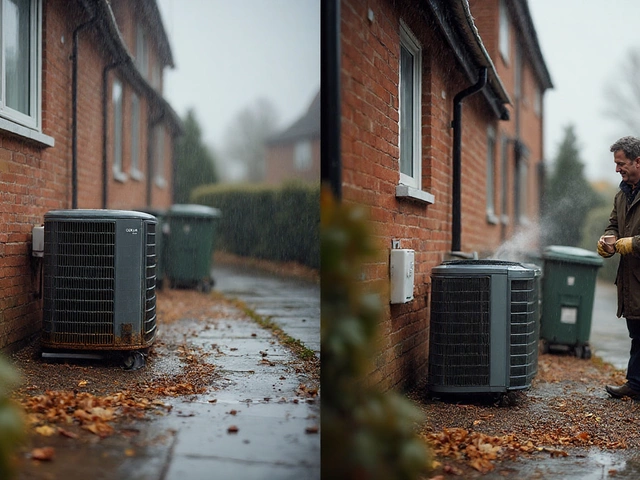
Real UK lifespan for air vs ground source heat pumps, what shortens or extends life, maintenance steps, and a simple repair-or-replace guide you can actually use.
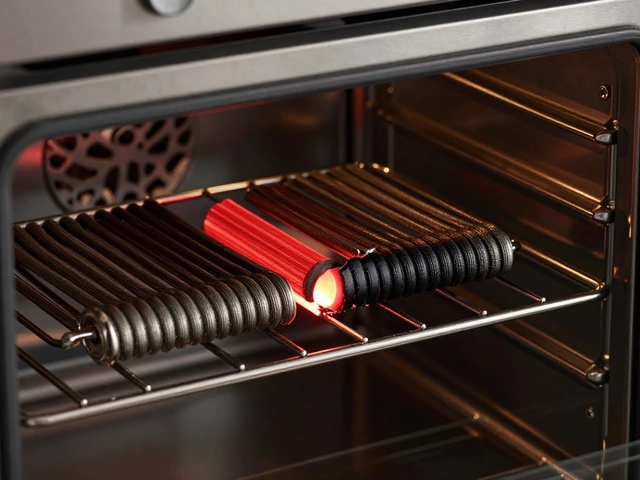
Replacing an oven element costs £80-£150 professionally or £15-£40 for DIY parts. Learn when to repair vs. replace, how to choose an engineer, and tips to extend your oven's life in our 2026 guide.
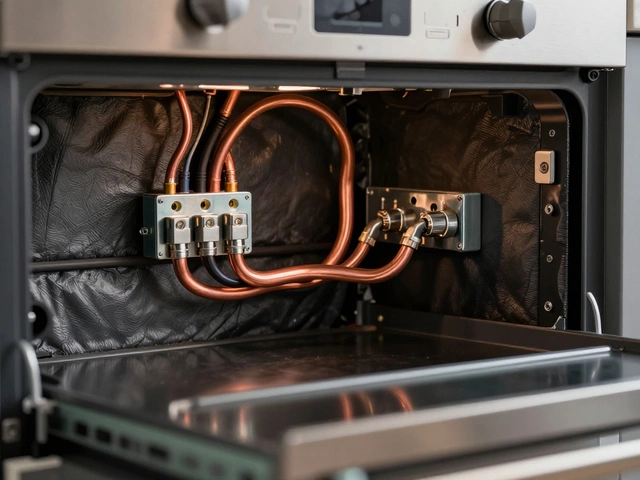
Discover whether you can replace an electric oven yourself or need to hire a professional. Learn about voltage requirements, safety risks, and legal building codes for appliance installation.