

Got a noisy washing machine, a cold oven, or a heat pump that won’t heat? Before you pick up the phone, try a few simple steps that can save you time and money. This guide pulls the best tricks from our blog posts so you can tackle the most common issues yourself or know exactly when a professional is needed.
First things first – safety. Unplug the appliance or turn off the circuit breaker. A quick visual scan can spot loose wires, clogged filters, or obvious damage. For a fridge that isn’t cooling but the light works, check the condenser coils; dust buildup is a frequent culprit.
If you hear a humming sound from a heat pump but no warm air, make sure the air filter isn’t blocked and the outdoor unit is free of debris. A clean filter often restores airflow and improves efficiency.
When dealing with electric ovens, check the heating element for visible breaks before you remove it. A broken element is usually the reason an oven won’t heat, and swapping it out is a straightforward DIY job.
For water heaters, look for a reset button on the thermostat. If the heater keeps resetting, sediment buildup or a faulty thermostat may be the cause. Flushing the tank once a year can prevent many of these problems.
Some fixes are just too risky or require specialised tools. If a boiler is leaking, shows signs of corrosion, or won’t fire up, don’t gamble – a Gas Safe engineer should handle it. The same goes for a heat pump that freezes up despite a clean filter; the refrigerant system needs a trained technician.
Complex electrical work, like rewiring an extractor fan or diagnosing a faulty circuit in a dishwasher, should be left to an electrician. Incorrect wiring can cause shocks or fire hazards.
If you’ve tried the basic checks on a cooker and it still won’t heat, the problem might be a damaged control board or gas valve. Those parts need professional inspection and certification.
Finally, when the cost of a repair approaches the price of a new appliance, it’s worth comparing. Our “Should You Repair Your Dishwasher?” post breaks down the math so you can decide if a replacement makes sense.
Bottom line: start with a quick visual and safety check, use simple DIY fixes when you feel comfortable, and call a qualified pro for anything involving gas, complex electronics, or serious leaks. With these service call tips you’ll spend less time waiting on a call-out and more time enjoying a fully functional home.
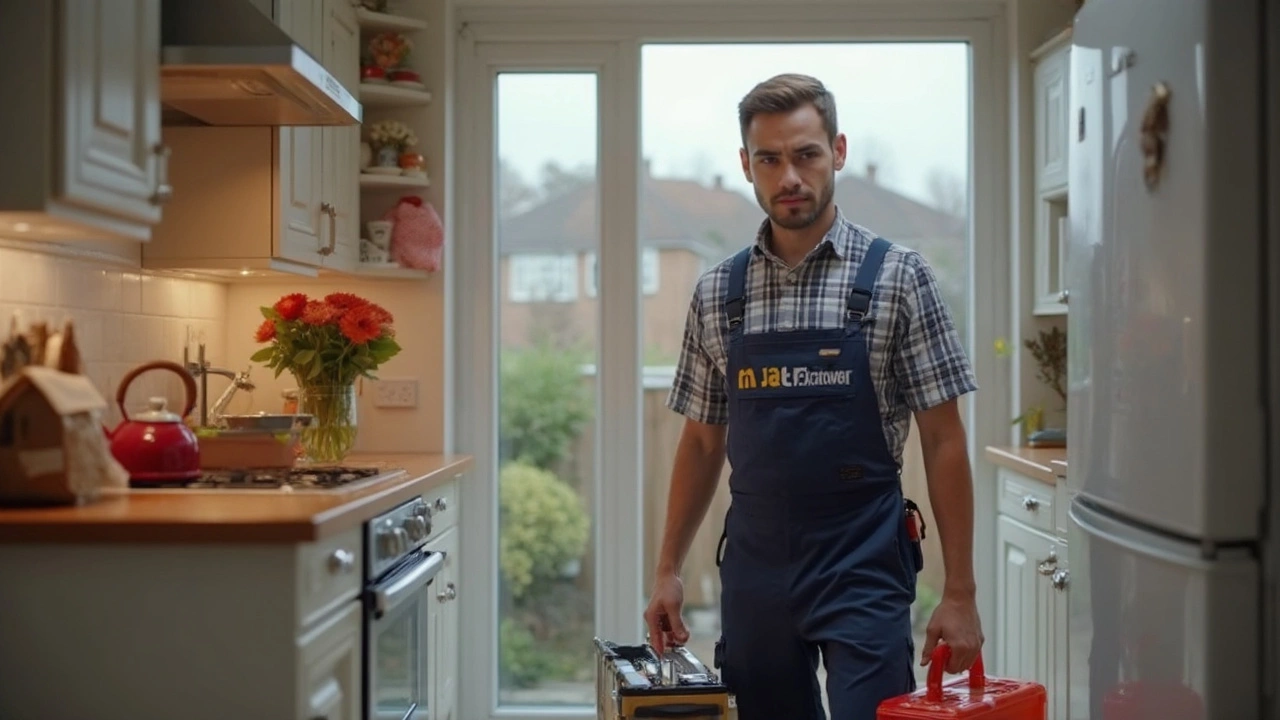
Wondering what an appliance job really is? This article breaks down everything you need to know, from common types of jobs to what actually happens when a technician shows up at your door. You'll learn when to call for help, what to expect during a service visit, and how to get the best results for your money. Get practical tips before you book, so there are zero surprises. Whether it’s your fridge, washer, or oven acting up, this guide has your back.

Ever opened your freezer to find squishy ice cream or thawed food when it should be rock solid? This article digs into the real reasons your freezer refuses to stay frozen, from simple mistakes to sneaky mechanical fails. Learn how to spot common culprits, fix minor issues yourself, and know when things are actually serious. Packed with practical tips and straightforward advice, you'll get the cold facts and solutions you need. No jargon, just help you can actually use.
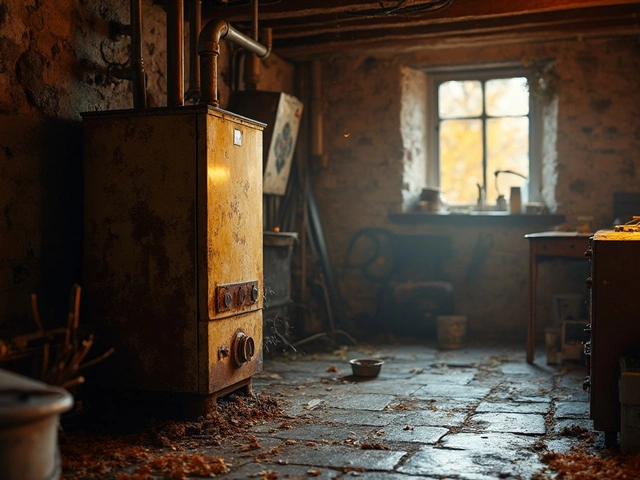
Replacing an old boiler might seem like a hassle, but when it's reaching the 15-year mark, the decision becomes crucial for efficiency and safety. This article explores whether it's time to upgrade, balancing costs, savings, and the impact on your home. From understanding energy efficiency to recognizing warning signs, we dive into everything you need to consider. With insights and practical tips, make an informed choice about your old boiler.
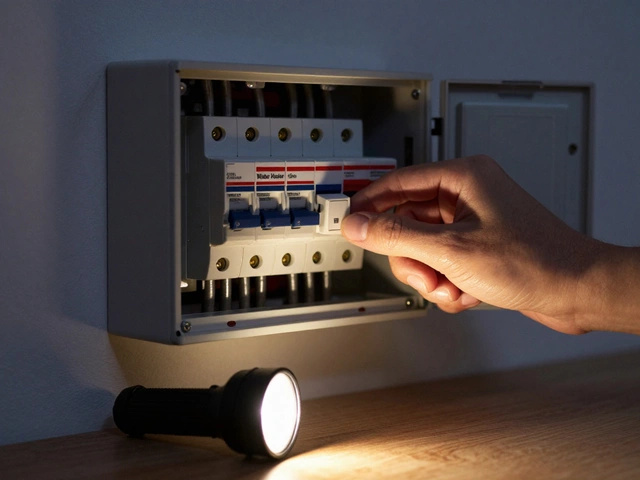
When there's no hot water, the first thing to check isn't the heater-it's the circuit breaker or pilot light. Most issues are simple fixes that save time and money. Learn what to look for and how to fix it yourself.
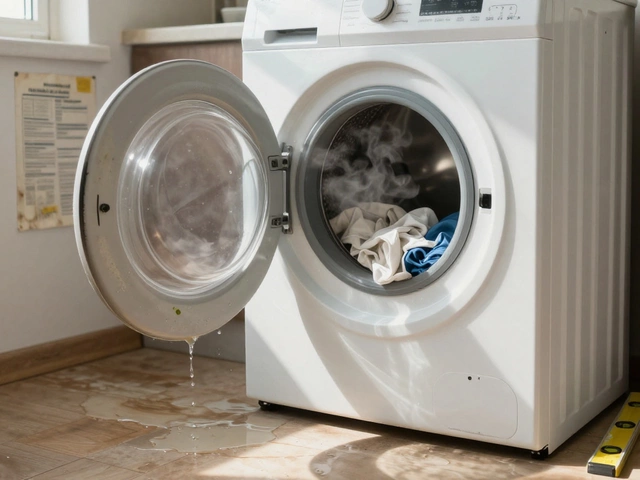
Most washing machines last 8-12 years, but signs like loud noises, leaks, or error codes mean it's time to consider repair or replacement. Learn how to extend its life and when it's better to buy new.

Frustrated by cold water instead of a hot shower? This guide breaks down the most common reasons your hot water is running cold, with simple fixes anyone can try at home.