

When working with replace oven control board, you’re dealing with the electronic heart of an electric oven that controls heating, timing, and safety functions. Also known as oven control board replacement, it dictates how the oven reaches set temperatures and shuts off at the right moment. A faulty board often shows up as inconsistent heat, random error codes, or a completely dead oven. Understanding its role helps you decide whether a DIY swap is safe or if you should bring in a pro.
One of the most common companions of a control board is the oven heating element, the metal coil that actually produces the heat inside the oven cavity. If the element is in good shape but the oven still won’t heat, the board is the likely culprit. Conversely, a burnt element can send false signals to the board, causing it to shut down. Knowing this link lets you test the element first, saving time and money before you pull the board out.
The oven thermostat, a sensor that monitors the oven’s internal temperature and feeds data to the control board, is another key player. A mis‑reading thermostat can trick the board into thinking the oven is already hot, which stops the heating element from turning on. Replacing a thermostat is often simpler than swapping a whole board, so technicians usually check it early in the diagnosis.
When the diagnosis points to the board, a qualified appliance repair technician, a trained professional who handles electrical appliances safely and knows local regulations becomes essential. They bring the right multimeter, replacement parts, and safety gear. Attempting a board swap without proper knowledge can expose you to live voltage, void warranties, or damage other components.
First, always disconnect power – unplug the oven or switch off the circuit breaker. Next, remove the back panel or inner door to expose the electronic module. The board is usually secured with a few screws and connected by plug‑in wires; label each connector to avoid mix‑ups. After the old board comes out, compare the new one’s layout to the old, then reinstall the connectors and fasten the screws. Finally, restore power and run a short bake test to confirm the oven reaches the set temperature and cycles correctly.
During the test, watch for error codes on the digital display. Modern ovens often log a fault code that points directly to the board or a related sensor. If the new board clears the error, you’ve likely solved the problem. If not, re‑check the heating element continuity and thermostat readings – the issue could be elsewhere in the system.
Cost-wise, a control board can range from £80 to £200 depending on brand and model. Labor adds another £50‑£100 if you hire a technician. DIY swaps cut the labor cost but risk damage if you’re not comfortable with electrical work. Many homeowners find the break‑even point at around £150 in parts alone – if the board is cheaper, it’s worth replacing; if it’s pricey, consider a full oven replacement.
Safety tips are non‑negotiable: wear insulated gloves, double‑check that the breaker is off, and never work on a wet surface. Keep a fire‑extinguisher nearby just in case. Also, dispose of the old board responsibly – electronic waste should go to a recycling centre rather than the trash.
Now that you know how an oven control board fits with the heating element, thermostat, and professional repair services, you can approach the issue with confidence. Below you’ll find a curated set of articles covering everything from diagnosing oven faults to estimating repair costs, so you can decide the best path forward for your kitchen appliance.
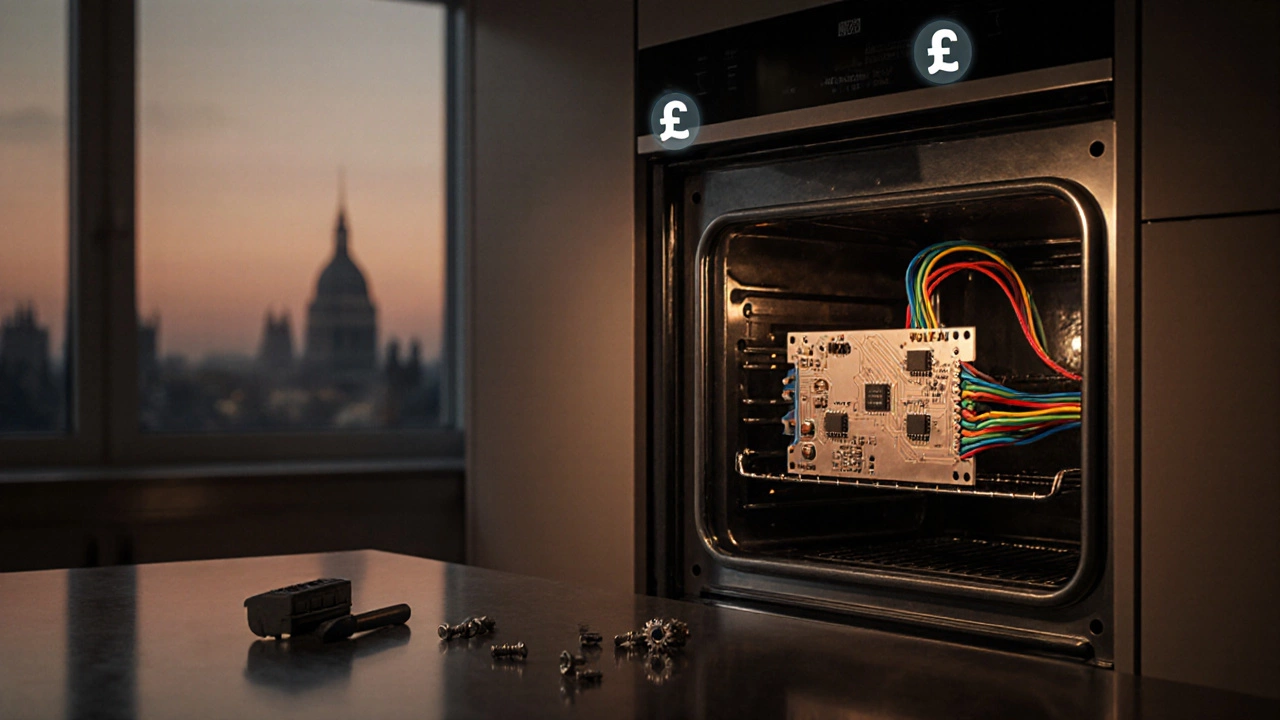
Learn the typical UK price for an oven control board, factors that affect cost, DIY steps, and when to call a professional in 2025.

Learn the warning signs of a failing water heater and get practical tips for repair and maintenance to prevent costly breakdowns and keep your hot water system running safely.

Extractor fans are essential for maintaining air quality in enclosed spaces like kitchens and bathrooms. When these fans break down, they can lead to moisture buildup and unpleasant odors. This guide offers practical advice on fixing a broken extractor fan, providing step-by-step instructions that any homeowner can follow. Learn how to diagnose common issues and the tools needed to restore your fan to working order.
The longest average lifespan of a washing machine is 15-20 years for high-quality models with proper care. Most last 8-12 years, but maintenance, load size, and water quality make a huge difference. Learn how to extend your washer's life and when to repair vs. replace.

Thinking of how long your gas hob will last? Dive into the expected lifespan of gas hobs, factors that affect their longevity, and simple maintenance tips. Discover how regular care can stretch your appliance's life and understand when it's time to consider repair or replacement. Make informed decisions to keep your culinary adventures flaming well.

Thinking about swapping out your electric oven? This article covers how tough the job really is, where people usually get stuck, and what you actually need to know. We break down what tools you really need, what pitfalls you can avoid, and when you should probably call someone who’s done it before. Get ready for straight talk—no tech jargon, just real advice for regular folks. Whether you DIY or call a pro, you’ll walk away ready to make a smart decision.