

If your electric hob is missing heat on one or two zones, the culprit is often a blown element. Swapping it out yourself can save time and money, and you don’t need a degree in engineering—just a few tools and a bit of patience.
First, make sure the hob is completely off and unplugged. Even if you’ve switched off the circuit breaker, double‑check that there’s no live power. Safety is the number one rule; a stray voltage can give you a nasty shock.
Most elements are sold at local hardware stores or online. Keep the old element handy until you’re sure the new one works—that way you can compare dimensions and connectors.
1. Remove the hob glass top. Look for clips or screws around the edge. Gently pry the glass up; it usually lifts off without breaking. Place it on a soft surface to avoid scratches.
2. Locate the faulty element. It will be a rectangular or square piece with two metal terminals. Some hobs have a protective metal cover you’ll need to unscrew first.
3. Disconnect the element. Use the screwdriver to loosen the terminal screws, then pull the element out. If it’s stuck, wiggle it a little—don’t force it.
4. Install the new element. Align the terminals with the connectors, push the element into place, and tighten the screws. Make sure it sits flush; a gap can cause uneven heating.
5. Re‑assemble the hob. Replace any metal covers, then carefully set the glass top back on. Snap the clips or replace the screws you removed earlier.
6. Test it out. Switch the power back on and turn on the zone you just repaired. If the element heats up normally, you’re done. If not, double‑check the connections or use a multimeter to see if voltage is reaching the element.
That’s the whole process. Most people finish in under an hour, and the cost of a replacement element is usually under £30.
When to Call a Professional
If you notice any of the following, it’s time to call an expert:
Professional repair services, like Bognor Regis Appliance Repair Experts, can diagnose wiring issues, replace sealed‑in elements, and give you a warranty on the work. They also handle any gas‑related appliances safely.
In most cases, though, swapping a faulty electric hob element is straightforward. With the right part and a bit of care, you’ll have that missing heat back in no time.

Can you replace an electric hob element? Absolutely! This hands-on guide dives into safe, practical steps for swapping out faulty burners and keeping your electric hob in top shape.

Deciding whether to repair or replace your oven? We break down the 2026 UK costs, the 50% rule, and hidden expenses to help you choose the most cost-effective option for your kitchen.
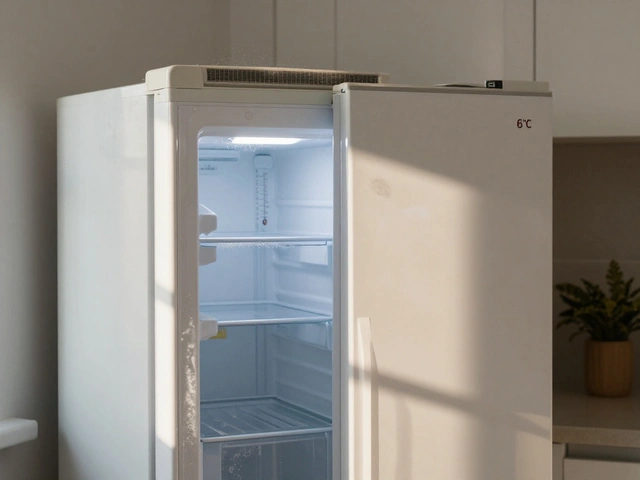
The average refrigerator lasts 13-17 years, but lifespan depends on maintenance, usage, and environment. Learn the signs it's failing, when to repair vs. replace, and how to make yours last longer.
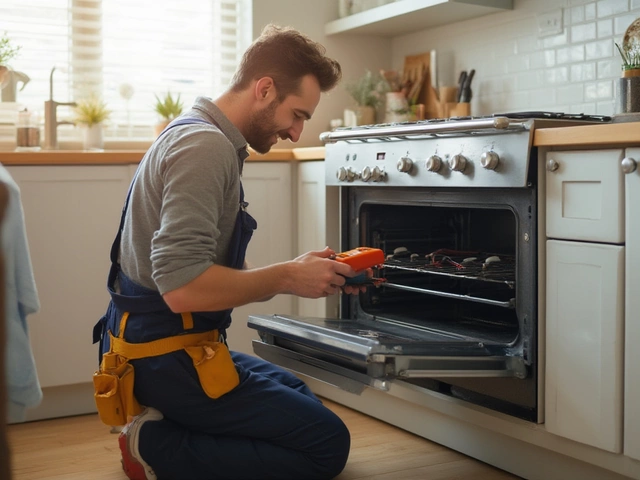
Wondering if an electrician can fix your electric oven? Get the facts, tips, and expert advice you need on diagnosing and repairing broken ovens.

Wondering when to replace your cooker? This article breaks down the real signs that your cooker is on its last legs, what affects its lifespan, and how to keep it running safely for longer. Get practical tips straight from real-life experience and find out how to spot issues before they turn expensive. Whether you use gas or electric, knowing when to repair or replace makes all the difference in your kitchen.
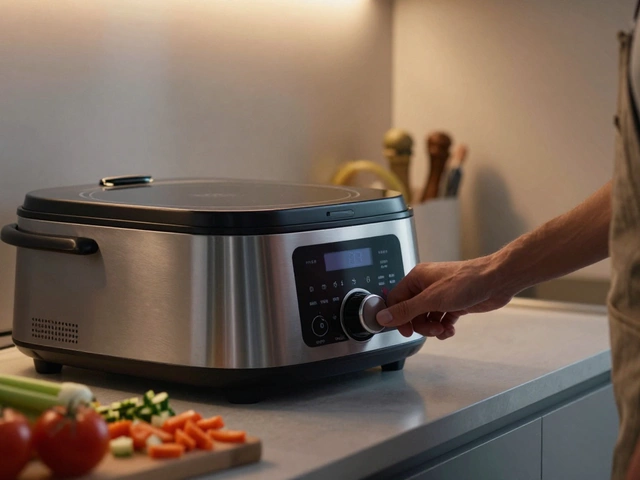
Learn how to tell if your cooker is broken by checking power, error codes, and symptoms like uneven heating or gas smells. Get practical tips for DIY fixes and know when to call a professional.