

If your boiler is acting up, you might wonder whether a simple fix will do or if it’s time to replace the whole unit. The right answer saves you money, keeps your home warm, and avoids dangerous situations. Below we break down the obvious signs, the real costs, and the practical steps you can take yourself or with a pro.
First, look for the warning lights. A boiler that constantly trips the safety valve, shows error codes, or runs out of hot water in a few minutes is usually past its prime. Age matters too – most gas boilers last about 10‑15 years. If yours is older, corrosion, rust, or loud knocking noises often point to a failing heat exchanger.
Another red flag is increased energy bills without a change in usage. An inefficient boiler works harder to heat water, pushing your bills up. Finally, if you’ve had more than two major repairs in the last year, the math often leans toward replacement. Keeping track of repair receipts makes this decision easier.
Replacing a boiler isn’t cheap, but it’s an investment in safety and efficiency. In the UK, a new condensing boiler plus installation typically runs between £1,500 and £3,000. Prices vary by size, brand, and whether you need a new flue or pipework. Some local councils and energy suppliers offer rebates if you choose a high‑efficiency model, which can shave a few hundred pounds off the total.
Can you do it yourself? Only if you’re a qualified Gas Safe engineer. Working with gas lines is dangerous and illegal for unqualified homeowners. However, you can prepare the site: clear the area around the old unit, label the pipework, and arrange for waste disposal. A professional will then handle the gas connection, pressure tests, and final certification.
If you’re on a tight budget, consider a thorough service first. A yearly boiler service can catch minor faults and improve performance, sometimes extending the life by a couple of years. Regular flushing of the system removes sludge that makes the boiler work harder.
When you decide to replace, choose a reputable installer. Look for Gas Safe registration, read reviews, and ask for a written quote that lists parts, labor, and any additional work like new controls or thermostats. A clear quote prevents surprise costs later.
In short, replace your boiler when it’s old, noisy, inefficient, or has a history of repairs. Weigh the upfront cost against ongoing energy waste and potential safety hazards. Let a certified professional do the heavy lifting, but you can still play a role by preparing the space and staying informed about the process.
Got a boiler that’s giving you trouble? Use these pointers to decide if a fix will do or if a fresh unit is the smarter move. Your comfort and safety are worth the right choice.
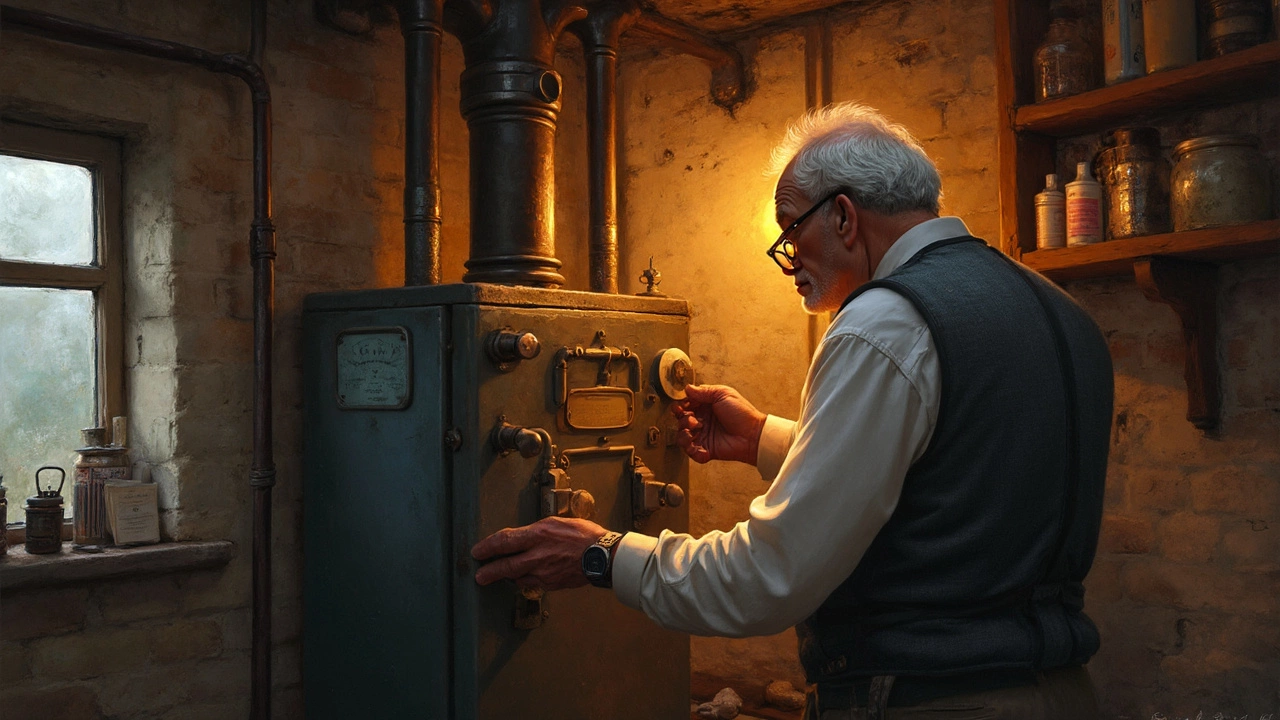
Boiler lifespan can vary greatly depending on usage, maintenance, and type. On average, boilers last anywhere from 10 to 15 years. Regular maintenance is key to prolonging the life of your boiler and ensuring it functions efficiently. In this article, discover how to keep your boiler in top shape and when it might be time to replace it.
Deciding whether to repair an electric oven after five years can be tricky, especially with advancing technology and evolving household needs. This article explores the practical aspects of oven repair, including cost-benefit analyses, common issues, and DIY tips to help inform your decision. By understanding key factors like repair costs versus replacement options, you can make an informed choice. Learn how to assess the condition of your oven and get tips on when professional help might be needed.

Wondering if you should throw out your seven-year-old oven or give it a second chance? This article breaks down when it makes sense to fix an older oven, what problems are easy or tough to repair, and how much money you might actually save. Get straight answers on costs, lifespan, and smart ways to keep your oven running. No fluff—just helpful facts and real advice you can use.
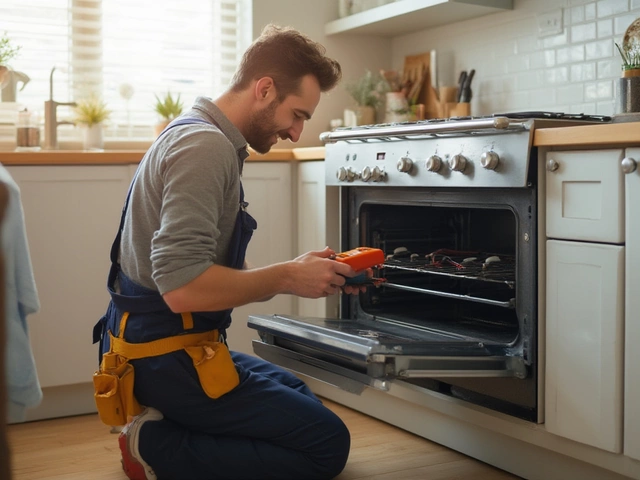
Wondering if an electrician can fix your electric oven? Get the facts, tips, and expert advice you need on diagnosing and repairing broken ovens.

When facing a broken boiler, many homeowners find themselves debating the merits of repairing versus replacing. Considering factors like costs, age of the boiler, frequency of issues, and energy efficiency can help make an informed decision. Exploring repair benefits as a cost-saving solution might be worthwhile for some, while others may find replacement offers better long-term advantages. Understanding your system's specific needs ensures optimal performance during the colder months.
Learn how to diagnose a failing hot water heater thermostat with this expert guide. Spot the signs, use a multimeter for testing, and find out when to replace it.