

Got a kitchen gadget that’s acting up? You don’t always need a pro – a few simple repair skills can save you time and money. Below you’ll learn the basics you need to tackle the most common problems with ovens, washing machines, heat pumps and more, all without fancy jargon.
Before you start, gather a basic toolbox: a set of screwdrivers (flat‑head and Phillips), adjustable pliers, a multimeter, and a flashlight. A pair of insulated gloves and safety glasses are a must; electricity and moving parts can surprise you if you’re not careful. Always unplug the appliance or shut off its circuit breaker – it’s the quickest way to avoid shocks.
Knowing how to read a simple wiring diagram can also help. Most appliances have a label inside the back panel that shows where each wire goes. Keep a photo of the original setup before you disconnect anything – a quick snap on your phone makes reassembly painless.
Electric oven that won’t heat: First, check the heating element with a multimeter for continuity. If it reads zero, the element is dead and needs swapping. Removing it is usually just a few screws and a connector. While you’re there, give the oven interior a good clean – baked‑on grease can cause temperature sensors to misread.
Washing machine leaks: Most leaks come from a worn door gasket or a cracked hose. Inspect the rubber seal for tears and replace it with a new one that snaps right into place. For hose issues, tighten the clamps or replace the hose entirely; it’s cheap and takes minutes.
Heat pump not blowing warm air: Start by checking the outdoor fan – a blocked grill or bent blade can stall airflow. Clear debris, spin the fan by hand, and make sure it runs freely. Next, test the thermostat setting and the refrigerant pressure if you have a gauge; low pressure usually means a leak that needs a professional, but a dirty filter is a quick win.
Kitchen extractor fan noisy or weak: Remove the cover and clean the fan blades and motor housing. Dust buildup reduces airflow and creates rattles. If the motor still sounds rough after cleaning, lubricate the bearings with a few drops of oil or replace the motor if it’s old.
These fixes cover the majority of everyday breakdowns. When you finish, double‑check each connection, run a short test cycle, and make sure everything works before you pack the tools away.
Remember, the goal isn’t to become a full‑time technician – just to handle the simple stuff confidently. If a problem feels beyond your comfort zone, such as a refrigerant leak or a gas boiler issue, call a qualified expert. Knowing when to stop is as important as knowing how to start.
With a handful of tools, a bit of patience, and the right repair skills, you’ll keep your home running smoothly without the hassle of constant service calls. Keep this guide handy, and the next time something misbehaves, you’ll already have a plan.
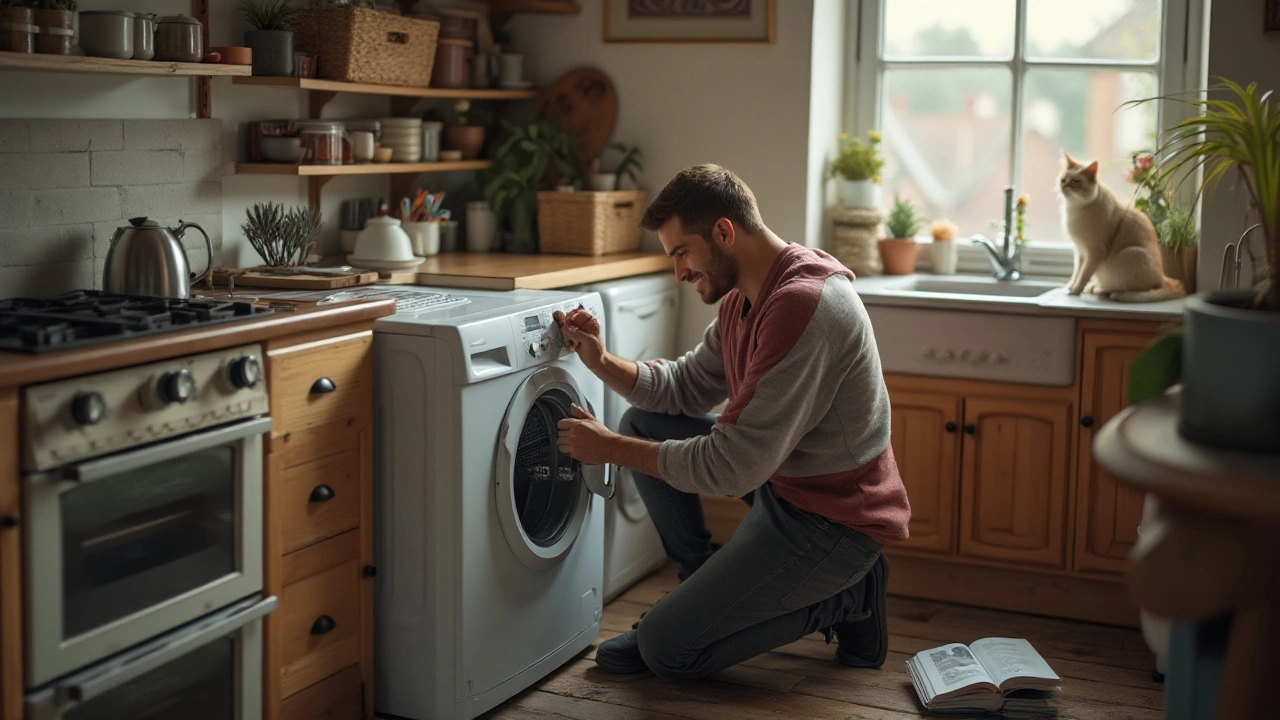
Repairing a washing machine yourself can save time and money, and it's not as difficult as one might think. This article covers the basic steps for diagnosing common issues, tools required for repairs, and safety tips to consider. Whether it's a noisy drum or a leaking gasket, we guide you through essential troubleshooting techniques. Learn how to tackle minor fixes and decide when to seek professional help.

Resetting a freezer compressor may sound daunting, but it's an essential skill for maintaining your appliance's efficiency. Compressors can occasionally need a reset to function properly, potentially saving you from costly repairs or replacements. This article walks you through the steps to safely reset your freezer compressor and offers tips to prevent future issues. Understanding when and why to reset your compressor can keep your freezer running smoothly and extend its lifespan.
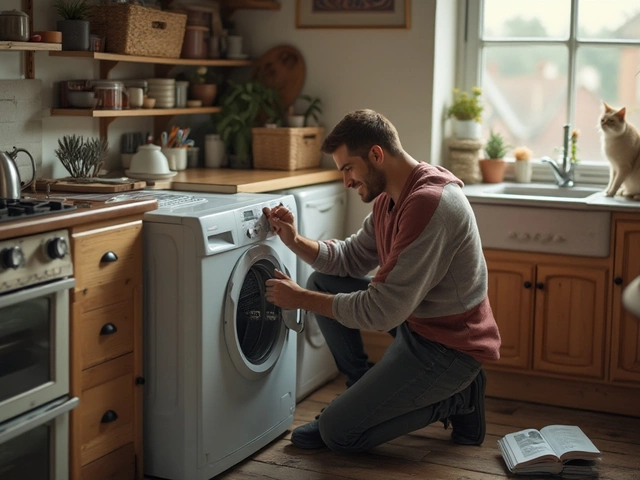
Repairing a washing machine yourself can save time and money, and it's not as difficult as one might think. This article covers the basic steps for diagnosing common issues, tools required for repairs, and safety tips to consider. Whether it's a noisy drum or a leaking gasket, we guide you through essential troubleshooting techniques. Learn how to tackle minor fixes and decide when to seek professional help.

Wondering if that decade-old laptop should stick around or be kicked to the curb? This article dives into the practicality, challenges, and potential of keeping a 10-year-old laptop. With tips on upgrading components, performance tweaks, and sustainability, you'll discover whether holding on to an old device is a wise choice. Including pros and cons, this guide offers straightforward advice for the tech-savvy and beginners alike. Explore the balance between nostalgia and functionality in the ever-evolving world of technology.
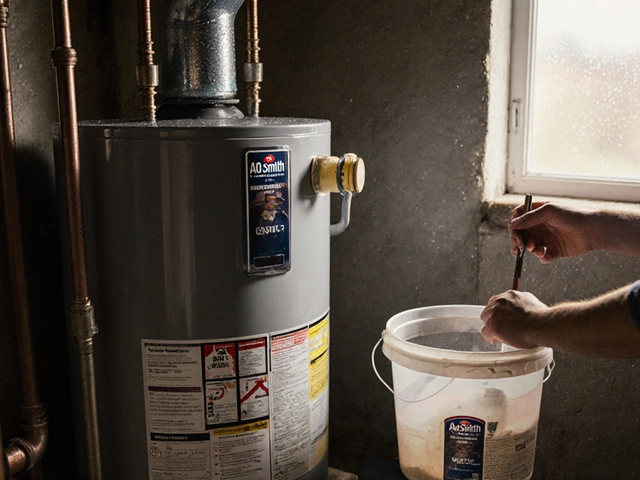
AO Smith, Bradford White, and Rheem are the most durable water heater brands, often lasting 12-15 years with proper maintenance. Learn what really affects lifespan and how to make your heater last longer.
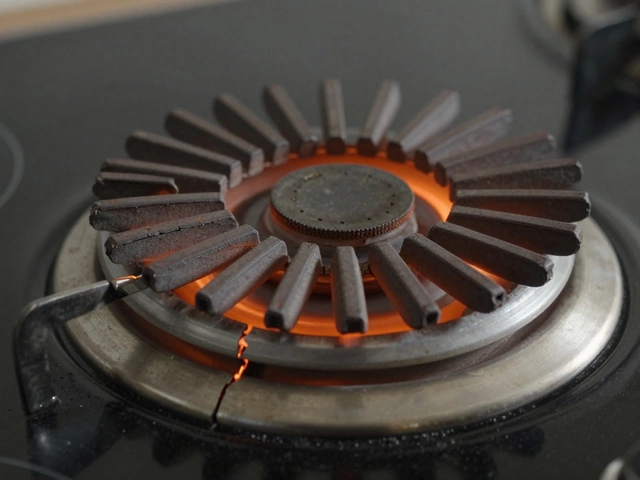
Learn how to tell if your electric stove element is bad with simple visual checks, multimeter tests, and common signs of failure. Save money by diagnosing and replacing it yourself.