

If your fridge is warm, noisy, or leaking, you’re probably thinking about repair options. The good news is most problems have a simple cause that you can spot in minutes. Below we walk through the typical signs of a failing fridge, quick DIY checks you can do safely, and the moments when it’s best to hand the job over to a qualified technician.
First, notice the temperature. If the freezer stays above -18 °C (0 °F) or the fridge section is above 4 °C (40 °F), the cooling system isn’t doing its job. Warm food spoils fast, and the longer you wait, the more you’ll waste.
Second, listen for strange noises. A humming motor is normal, but rattling, clicking, or a high‑pitched squeal usually means the compressor, fan, or defrost timer is struggling.
Third, watch for water. A puddle on the floor, ice buildup inside the freezer, or a constantly running water dispenser can signal a blocked drain pipe or a faulty defrost heater.
Finally, check the door seals. If you feel cold air escaping or see a crumb trail when you close the door, the gasket is worn out. Bad seals force the fridge to work harder, leading to higher energy bills and early component wear.
Before you book a service, try these easy steps. Unplug the fridge for five minutes, then plug it back in. This resets the control board and can clear a temporary fault.
Next, clean the condenser coils. Dusty coils (usually behind or underneath the fridge) make the compressor overheat and shut down. Use a vacuum brush or a soft coil cleaning brush to remove grime – a 10‑minute job that improves cooling noticeably.
Third, test the thermostat. Set the dial to a cold setting and listen for the compressor kicking in after a few minutes. If it never starts, the thermostat or the start relay may be faulty.
Lastly, inspect the interior light. A burnt‑out bulb can make the fridge think the door is open, causing the compressor to run continuously.
If any of these checks don’t solve the issue, it’s time to call a professional. Trying to fix the compressor, sealed system, or electrical components yourself can be dangerous and may void your warranty.
Our Bognor Regis Appliance Repair Experts have the tools and experience to diagnose sealed‑system leaks, replace compressors, and repair faulty fans quickly. We’ll arrive on time, explain what’s wrong in plain language, and give you a clear price before any work starts.
Remember, regular maintenance prevents most breakdowns. Keep the coils clean, wipe up spills right away, and check the door seal monthly. A little attention now saves you a costly repair later.
Got a fridge that’s not cooling but the light is still on? That’s a classic sign of a problem with the evaporator fan or the defrost system. Don’t guess – give us a call and we’ll sort it out while you carry on with your day.
Ready to get your fridge back to full power? Contact Bognor Regis Appliance Repair Experts for a fast, friendly, and transparent service. We’ll have your food safe and your energy bill lower in no time.

A practical guide for diagnosing common refrigerator problems, spotting signs of faults, and fixing them at home with tips and real-world facts.

Thinking about fixing your 7 year old refrigerator? This article breaks down the real costs, reliability, and what you should watch for before you pay for repairs. You’ll find clear tips on when it’s smarter to repair or replace, how much you’ll likely spend, and some key things most people forget to check. Get the real scoop from an expert so you don’t waste time or money.

When your refrigerator suddenly stops working, it can cause quite a panic. But before calling in the repair services, there's one crucial thing you should check first: the power source. This step is often overlooked but can save you both time and money. Reliability and efficiency in troubleshooting can help bring your fridge back to life or at least determine the next best steps.

When your fridge stops cooling, it can be a real worry, especially with all that food at risk. Before you call the repairman, there are a few steps you can try yourself to bring your refrigerator back to life. From checking the thermostat settings to cleaning coils and examining door seals, you might find that a simple DIY fix does wonders. Understanding how these appliances work can also help prevent future hassles. This guide will walk you through the essential tips and tricks to get your fridge cooling again.

Choosing a cooker that stands the test of time can be daunting amid a sea of brands promising longevity. This article delves into which brands have stood out for their durability and reliability. By exploring user experiences and industry insights, it aims to guide you in the right direction. Discover how some brands maintain their reputation for endurance and what to consider when selecting your next appliance.
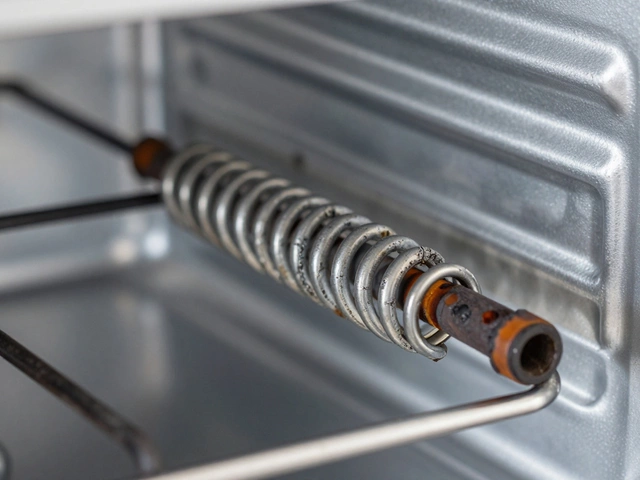
Find out exactly how much it costs to replace an oven heating element in the UK in 2026. Compare DIY vs professional repair prices, learn signs of failure, and decide if repair is worth it.

Discover the essential roles appliances play in our daily lives and learn effective tips for maintaining their efficiency. From refrigerators to washing machines, each appliance features unique mechanics tailored for specific tasks. Grasping these functions is crucial for efficient servicing and longevity. Uncover surprising facts about how appliances work and ground yourself in practical maintenance advice to keep them running smoothly.
Wondering if fixing your tumble dryer makes sense? This article dives into crucial considerations like repair costs, common issues, and when to replace. Avoid costly mistakes by learning signs that scream 'repair!' or 'replace!' Smart tips help you make the right decision for your dryer woes.

Looking for a reliable refrigerator that won't leave you struggling with frequent repairs? Discover which fridge brands are known for their durability and efficiency. This article breaks down the brands with the least reported problems, providing valuable insights from customer reviews and expert opinions. Learn practical tips on how to choose a fridge that suits your needs and keeps your kitchen running smoothly.