

We all depend on a fridge that stays cold, but most of us don’t think about looking after it until something goes wrong. A little regular care can stop common problems, lower your electricity bill and add years to the appliance’s life. Below are the everyday actions that make a big difference.
First, keep the door seal clean. Wipe the rubber gasket with a damp cloth and a gentle soap every week. A dirty seal lets warm air in, which forces the compressor to work harder. Next, check the temperature settings. The ideal fridge setting is around 3‑5°C (37‑41°F) and the freezer at –18°C (0°F). If you notice food spoiling faster, adjust the dial by one notch and give it a few hours to stabilise.
Don’t overload the fridge either. Air needs space to circulate, so leave a gap between items. When you bring home groceries, let warm foods cool to room temperature before placing them inside. This reduces the load on the cooling system and helps maintain a steady temperature.
The condenser coils sit at the back or underneath the unit. Dust and pet hair coat these coils, making the compressor work overtime. Every three to six months, unplug the fridge and vacuum the coils with a brush attachment. If you can’t reach them, a soft brush can loosen the debris before you wipe it away.
Another often‑overlooked area is the drip pan. It collects water that condenses inside the fridge. Over time, mould can grow there, causing odours that seep into your food. Pull the pan out (check your manual for the exact location), clean it with warm, soapy water and dry it before putting it back.
If you have a frost‑free model, you’ll rarely need to defrost, but a build‑up of ice in the freezer can still happen. When the frost gets thicker than 5 mm, empty the freezer, unplug the fridge and let the ice melt naturally. Speed up the process with a bowl of hot water placed inside, but never use sharp objects to chip the ice away – that can damage the interior.
One of the most common complaints is a fridge that’s not cooling while the light stays on. Often the cause is a dirty condenser coil, a faulty door seal, or a blocked air vent inside the fridge. Start with the easy fixes above; if the problem persists, it’s time to call a professional. Our own guide “Fridge Not Cooling But Light Is On?” walks you through the exact steps to diagnose the issue before you pick up the phone.
Finally, keep an eye on the sounds your fridge makes. A humming compressor is normal, but rattling or clicking can signal a loose part or a failing fan. Early detection can prevent a total breakdown and save you the cost of a replacement.
In short, a clean seal, regular coil cleaning, proper loading and occasional defrosting go a long way. Spend a few minutes each month on these tasks and you’ll enjoy a reliably cold fridge, lower energy bills and fewer service calls. If you ever feel stuck, a qualified repair technician can handle the more technical fixes safely and efficiently.

Discover what makes some refrigerator repairs more costly than others. From compressor issues to electronic faults, fixing these problems can hit your wallet hard. We'll uncover why some are pricier than others and offer tips on how to avoid them. Learn about preventive measures to save you money in the long run. This guide is a must-read for every fridge owner looking to keep repair costs at bay.
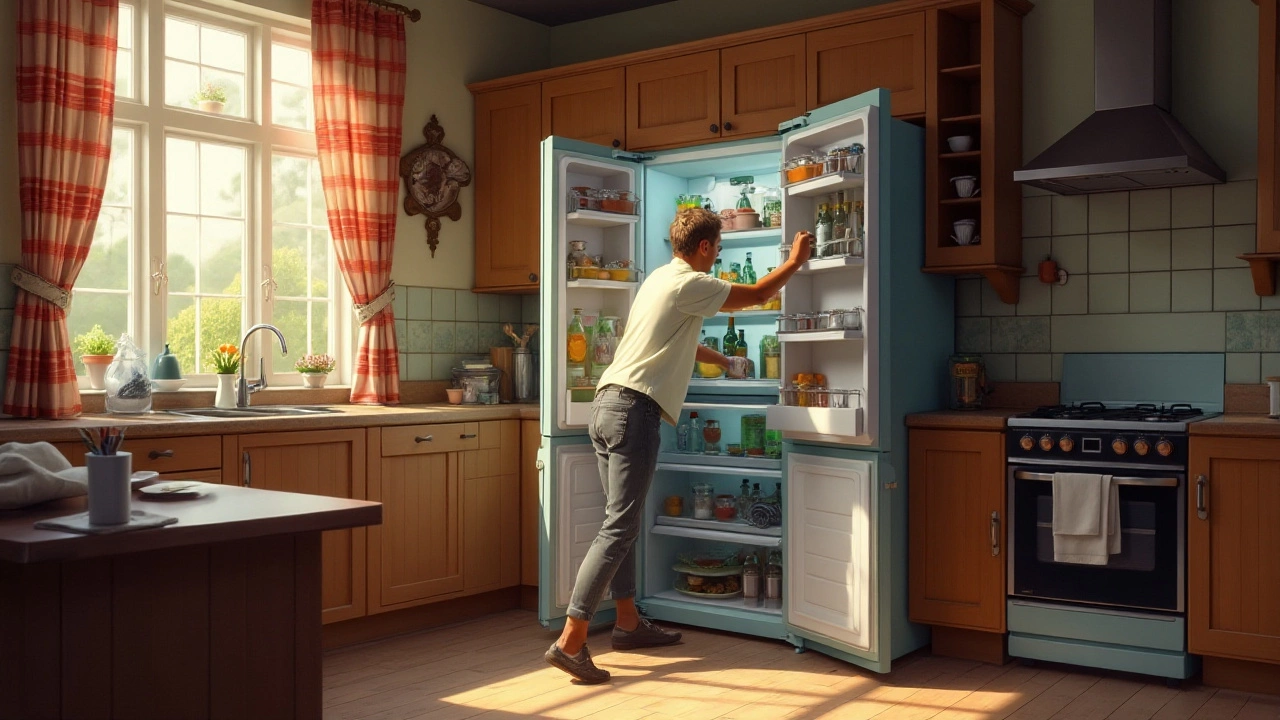
Refrigerators are a crucial part of our daily lives, and when they malfunction, it can be a real headache. One of the most common repairs involves fixing the refrigerator's cooling system. Often, issues arise from problems with the condenser coils, which can become dirty or worn out over time. By understanding these common problems, homeowners can better maintain their appliances, potentially saving time and money.
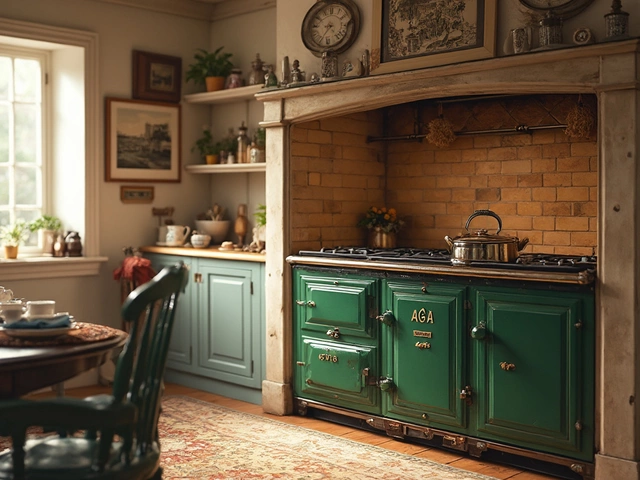
Ever wondered how long your trusty range oven will last? On average, a well-maintained range oven can serve you for about 10 to 15 years. Routine cleaning and minor repairs can help extend its lifespan. Knowing when to repair or replace your oven is crucial for efficiency and safety. Read on for practical tips to make sure your oven lasts as long as possible.

Boilers, integral to any home heating system, don't last forever. Understanding their lifespan can help you plan timely maintenance and replacements to ensure efficient heating. In this article, we explore how long you can expect your boiler to serve you, what affects its longevity, and how regular care can make a difference. By understanding these aspects, homeowners can make informed decisions regarding their heating needs and avoid unexpected failures.
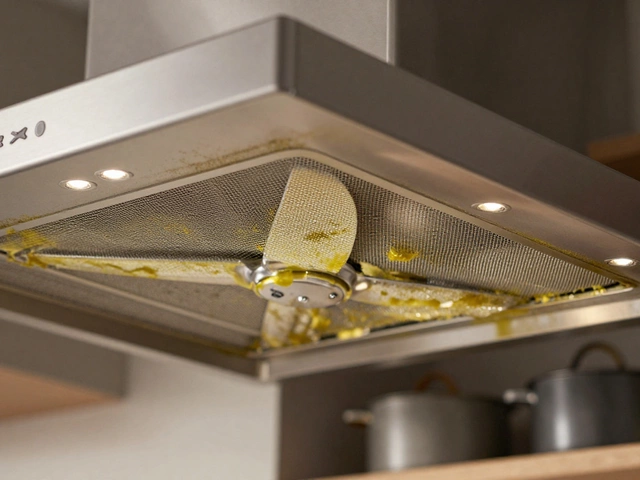
Discover if extractor fans wear out and learn their average lifespan. Identify signs of failure like noise and reduced airflow, and find out when to repair or replace your unit.
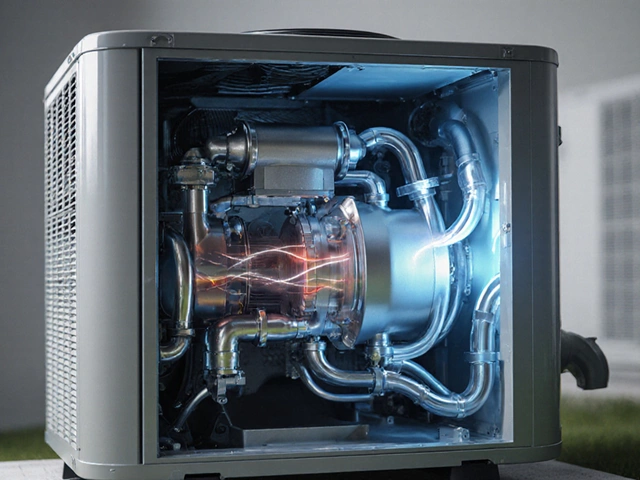
Find out the 2025 price range for heat pump compressors, what factors affect cost, how to get accurate quotes, and whether DIY or professional installation is best.
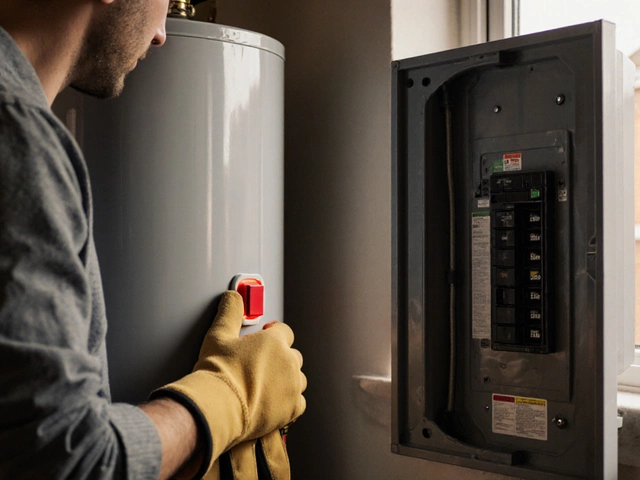
Learn when it's safe to press the water heater reset button, step‑by‑step instructions, common risks, and when to call a professional.