

If your range oven is cold on the inside, the first instinct is to panic. You might think you need a brand‑new appliance, but most problems are simple and cheap to fix. Below you’ll find the most common reasons a range oven stops heating, step‑by‑step fixes you can do yourself, and clear signs it’s time to call an expert.
The most frequent culprit is a broken heating element. Whether you have an electric or gas range, the element can burn out after years of use. Look for a dark spot or a broken coil. If the oven still lights but stays cool, the thermostat or temperature sensor may be faulty. A tripped circuit breaker or a loose wire can also stop power from reaching the element.
Before you start, gather a screwdriver, a nut‑driver set, and the correct replacement element (check the model number on the oven’s door frame). Unplug the oven or switch off the circuit at the fuse box – safety first. Remove the oven door, locate the screws holding the element in place, and gently pull it out. Disconnect the wiring harness, note where each wire goes, then attach the new element the same way. Screw it back, re‑attach the door, restore power, and run a short test bake. If the oven heats, you’ve saved a lot of money.
Not comfortable with electricity? An electrician can handle the element swap safely, especially for gas‑powered ranges where ignition systems are involved. They’ll also check the oven’s wiring for hidden issues that could cause future failures.
Other quick checks include cleaning the oven’s interior fan (if it has one) and making sure the door seals properly. A broken door gasket can let heat escape, making the oven feel cool even when the element works.
When DIY isn’t enough, call a professional. Look for a local repair service that specializes in kitchen appliances. A qualified technician will diagnose sensor problems, replace thermostats, or repair gas ignition components. They’ll also test the oven after the fix so you know it’s safe to use.
Remember, regular maintenance helps prevent breakdowns. Wipe spills promptly, avoid using harsh chemicals on the heating element, and schedule an annual check‑up if your oven is over ten years old. Small actions now keep your range oven running smoothly for years.
Got a specific problem that wasn’t covered here? Our blog has detailed articles on electric oven troubleshooting, oven element replacement costs, and whether an electrician can fix your oven. Use those resources to get more detailed guidance before you pick up a tool.
In short, a cold range oven is usually a cheap fix. Identify the element, replace it safely, and you’ll be back to roasting, baking, and broiling without a huge bill. When in doubt, let a pro take a look – it’s better than risking a bigger repair later.
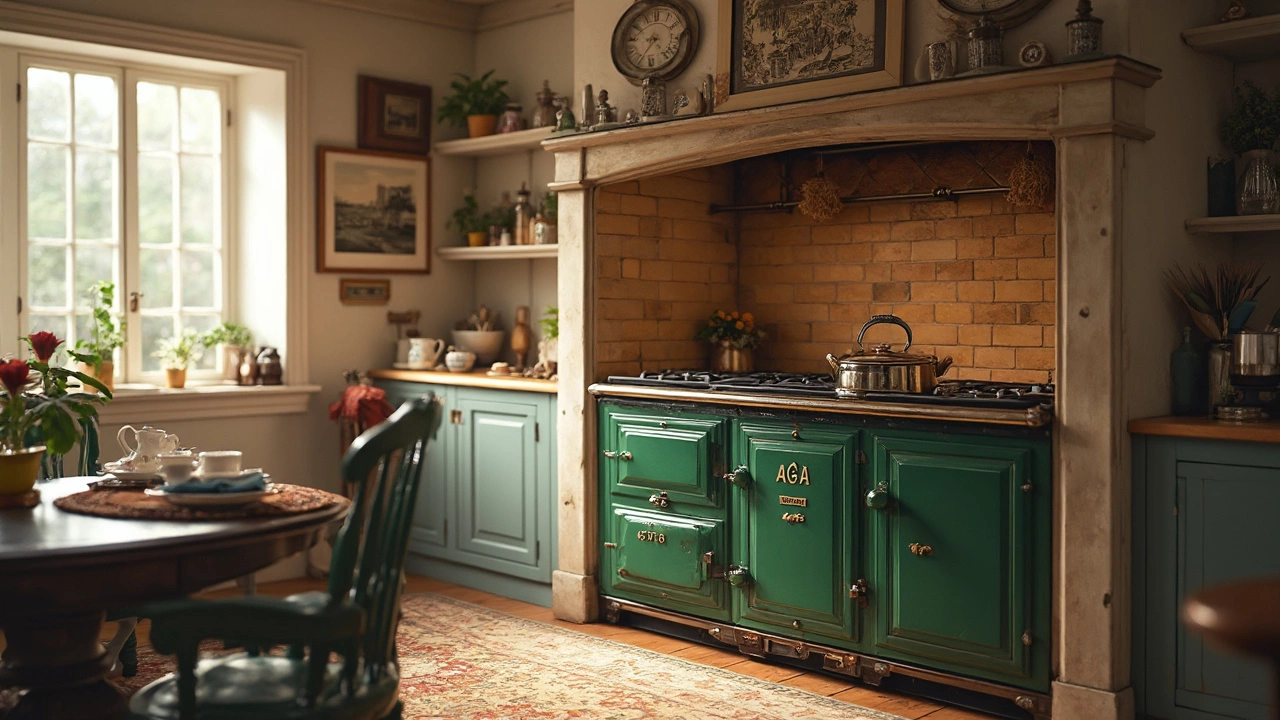
Ever wondered how long your trusty range oven will last? On average, a well-maintained range oven can serve you for about 10 to 15 years. Routine cleaning and minor repairs can help extend its lifespan. Knowing when to repair or replace your oven is crucial for efficiency and safety. Read on for practical tips to make sure your oven lasts as long as possible.
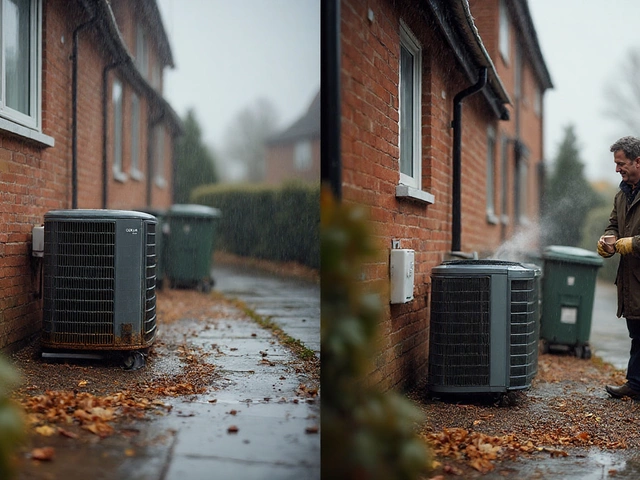
Real UK lifespan for air vs ground source heat pumps, what shortens or extends life, maintenance steps, and a simple repair-or-replace guide you can actually use.
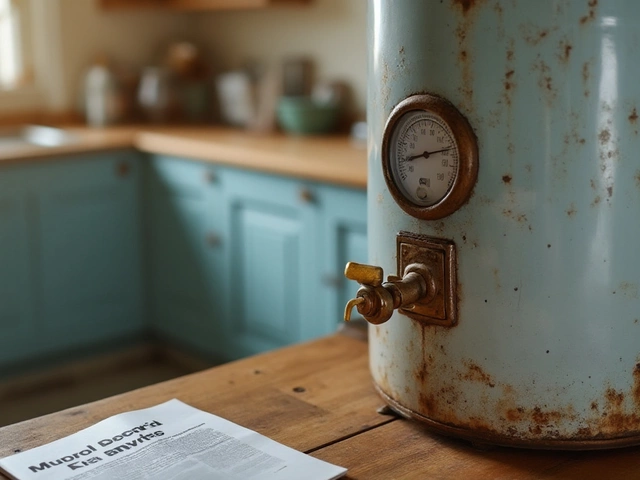
Determining when your hot water heater needs replacement isn't always straightforward. This guide explores key signs such as irregular water temperatures, strange noises, and age that might indicate it's time to get a new unit. Understanding these signs not only ensures a reliable hot water supply but also prevents potential damage and higher energy bills. Additionally, we discuss some tips for maintenance to prolong the life of your current system.

A malfunctioning boiler can be a real nuisance, especially during the cold months. Understanding whether a broken boiler constitutes an emergency is crucial. This article provides insights into when to prioritize boiler repairs, potential risks associated with delayed attention, and essential DIY tips to consider before professional help arrives. Dive into valuable advice on maintaining your heating system efficiently.
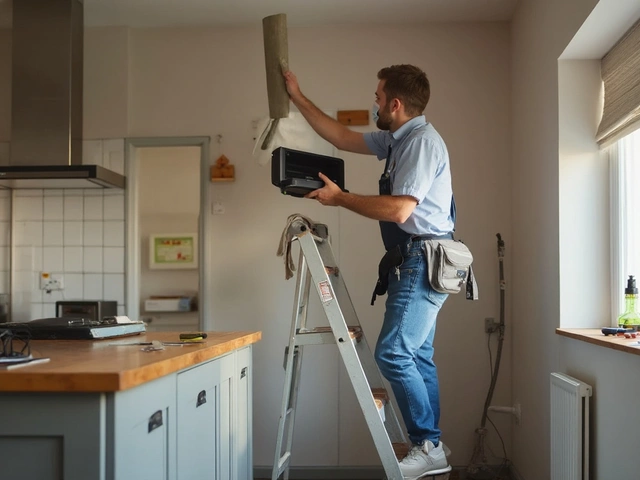
Wondering if you can swap out an extractor fan without calling in a pro? This article breaks down what it really takes to replace an extractor fan yourself, from the easy steps to watch-outs that could trip you up. Learn which tools you’ll need, how to stay safe with electricity, and where to draw the line and call an expert. Get helpful tips and facts straight from a practical perspective. Perfect for anyone ready to tackle a home repair without risking their safety or their ceiling.
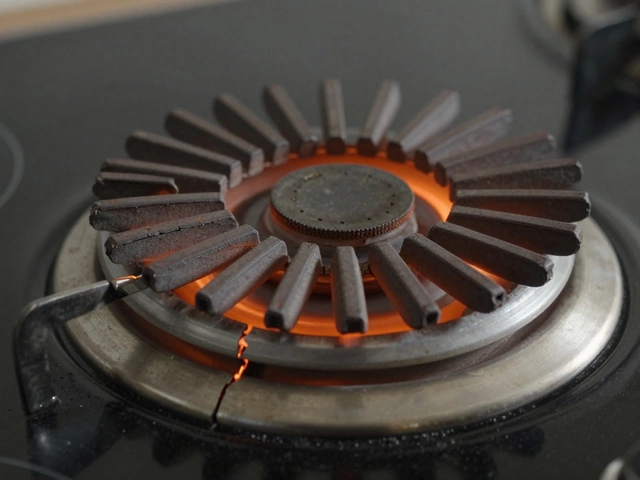
Learn how to tell if your electric stove element is bad with simple visual checks, multimeter tests, and common signs of failure. Save money by diagnosing and replacing it yourself.