

Ever turned on the shower and got a blast of cold water? Or heard that odd humming from your boiler and wondered if it’s about to quit? You’re not alone. Homeowners face these plumbing hiccups all the time, and most of them can be sorted without a costly callout. Below we break down the top problems you’ll meet, why they happen, and what you can do right now.
Cold water when you expect heat is usually a water‑heater issue. The most common culprits are:
Fixes you can try:
When the heater is over 10‑15 years old, keep an eye on the age. A tired unit may need replacement rather than endless repairs.
Boilers are the heart of your heating system, and a few warning signs can save you from a full‑blown breakdown:
You can tackle the easy stuff yourself:
If the boiler still won’t fire or the pressure drops again, it’s time to call a Gas Safe engineer. Trying to fix gas components without proper certification is unsafe.
Kitchen or bathroom extractor fans that run slowly, buzz, or stop altogether can cause damp and smells. Most fan issues are due to a bad motor or a clogged filter.
Quick steps:
Remember, fans over 5‑7 years old often lose efficiency, so consider a fresh model to keep ventilation strong.
Plumbing issues don’t have to ruin your day. By spotting the warning signs early and doing a few simple checks, you can keep hot water flowing, boilers humming, and fans whirring. When in doubt, especially with gas or electrical components, trust a qualified professional to stay safe and avoid costly damage.
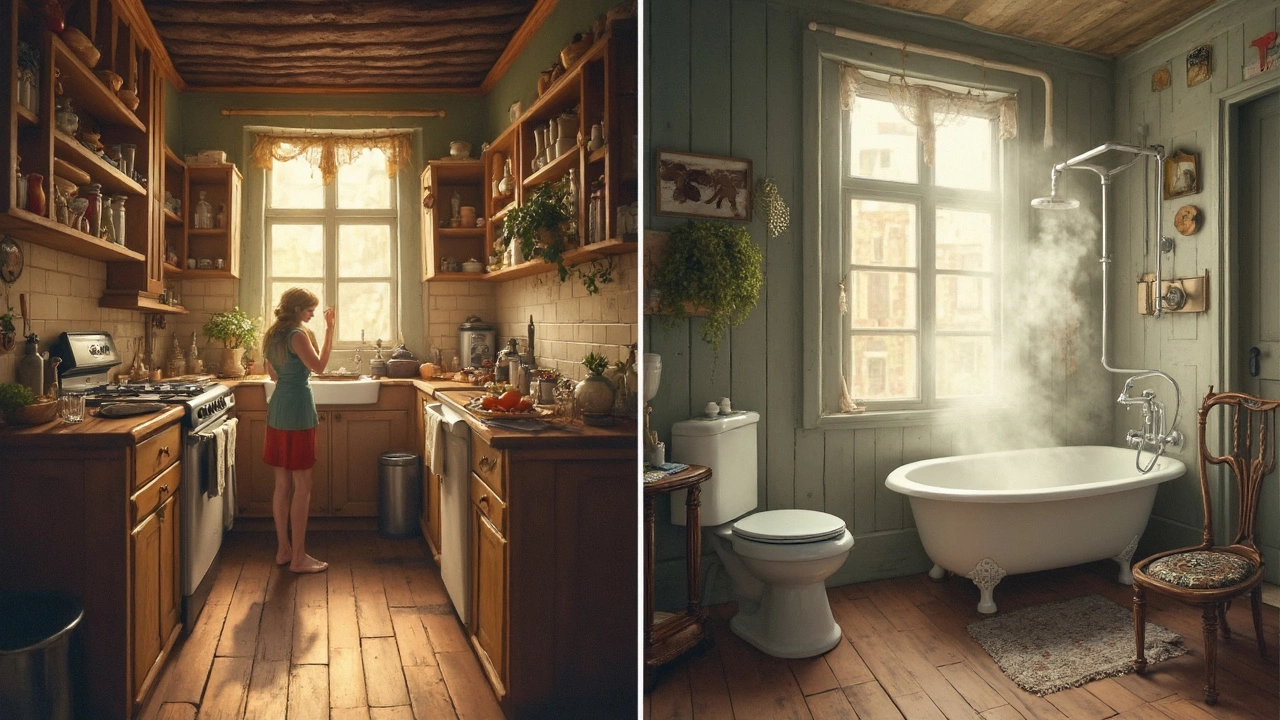
Struggling with hot water inconsistencies between your kitchen and bathroom? This article explores the causes behind such issues, including plumbing layout and water heater problems. Learn valuable tips for diagnosing and fixing these common household headaches. Discover practical solutions that can save you from cold showers and confusing hot water scenarios. Understand how simple tweaks or professional guidance can restore your home's balanced hot water supply.
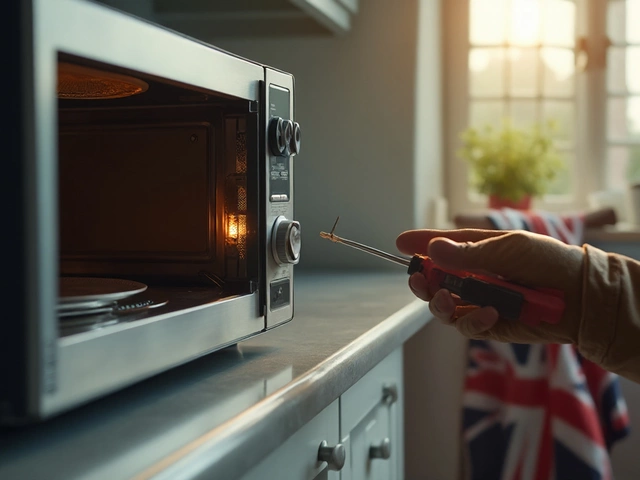
Learn fast how to spot a blown microwave fuse, test it safely, and replace it yourself. Step‑by‑step instructions, tools needed, and common pitfalls covered.
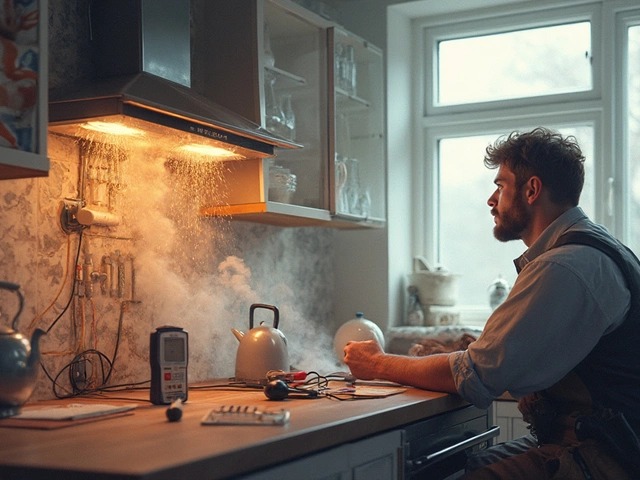
Extractor fans are essential for maintaining good air quality in homes, but what happens when they break down? This article explores whether electricians are the right professionals to fix extractor fans, the typical issues these fans encounter, and some maintenance tips to avoid frequent repairs. Learn about the repair process and when it might be time to replace your fan altogether.
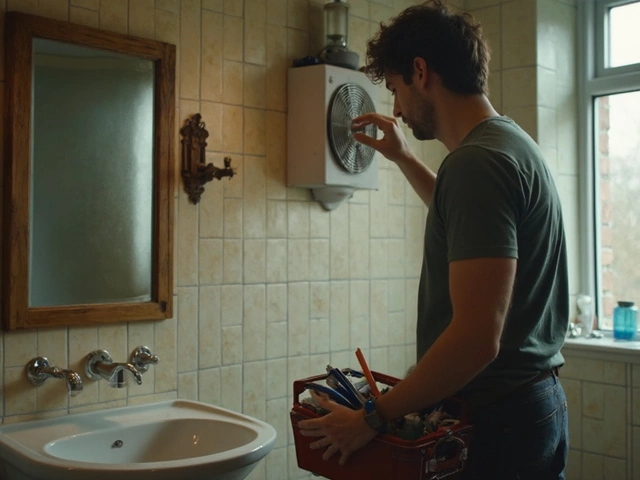
Thinking about swapping out your old extractor fan? This guide digs into how easy (or not) it really is to replace an extractor fan in your bathroom or kitchen. Get the lowdown on what tools you'll need, common surprises people miss, and what makes some fans trickier than others. If you're not sure when to call in a pro, we've got your back there, too. Get ready for a clear, no-nonsense breakdown.
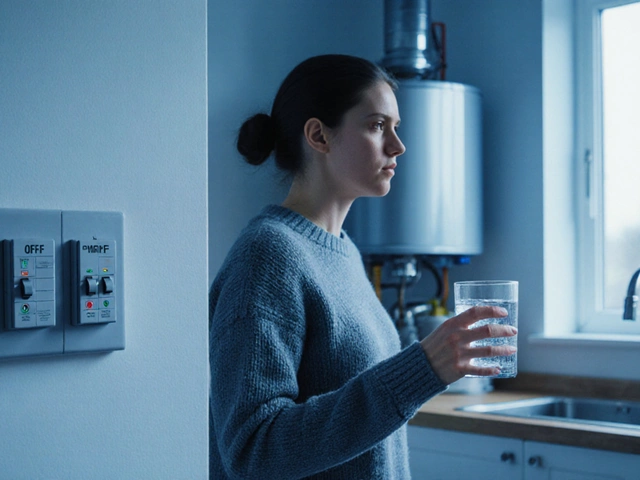
Learn fast DIY steps to diagnose and fix a non‑working water heater, plus safety tips, maintenance advice, and when to call a professional.
Neglecting boiler maintenance can lead to a series of unfortunate events, from reduced heating efficiency to costly breakdowns. A neglected boiler could become a safety hazard, potentially increasing the risk of carbon monoxide poisoning. Regular servicing can enhance your boiler’s longevity, ensuring a warm home environment during cold spells. Discover why these routine check-ups are more crucial than many realize and learn how they can save you from avoidable expenses.