

When dealing with plumbing hot water issue, the situation where a home’s hot water stops delivering heat or disappears entirely. Also known as no hot water problem, it can turn a simple shower into an icy shock and disrupt daily chores.
If you’re facing a plumbing hot water issue, the first thing to check is the water heater, the appliance that heats your domestic water using electricity or gas. A buildup of sediment, a broken heating element, or a tripped high‑limit switch can shut off heat in minutes. Next, look at the boiler, the central heating unit that often supplies hot water to the whole house. Low pressure, a faulty thermostat, or an air‑locked system are typical boiler faults that directly affect hot‑water output. Many homeowners also ignore the reset button, a safety feature on electric and gas water heaters that cuts power when temperatures get too high. Pressing it repeatedly may hide an underlying leak or a failing sensor, so use it only after you’ve inspected the heater itself.
Another key player is the thermostat, the control that tells the boiler or heater when to raise or lower water temperature. If the thermostat is set too low or is malfunctioning, you’ll notice lukewarm showers even though the system appears to be on. Checking the thermostat setting, calibrating it, or replacing a dead sensor can restore proper heat. Together, these components form a chain: a plumbing hot water issue encompasses no‑hot‑water symptoms, requires water‑heater maintenance, and is often influenced by boiler pressure or thermostat errors. Understanding how each part interacts helps you diagnose fast and decide whether a DIY check or a professional call is the next step.
Below you’ll find a curated collection of articles that walk through each of these scenarios in detail. From quick DIY checks for a sudden loss of heat to step‑by‑step guides on resetting a water heater safely, the posts cover the most common problems, the safest fixes, and clear signs when expert help is needed. Browse the list to match your specific situation and get the right solution on the spot.
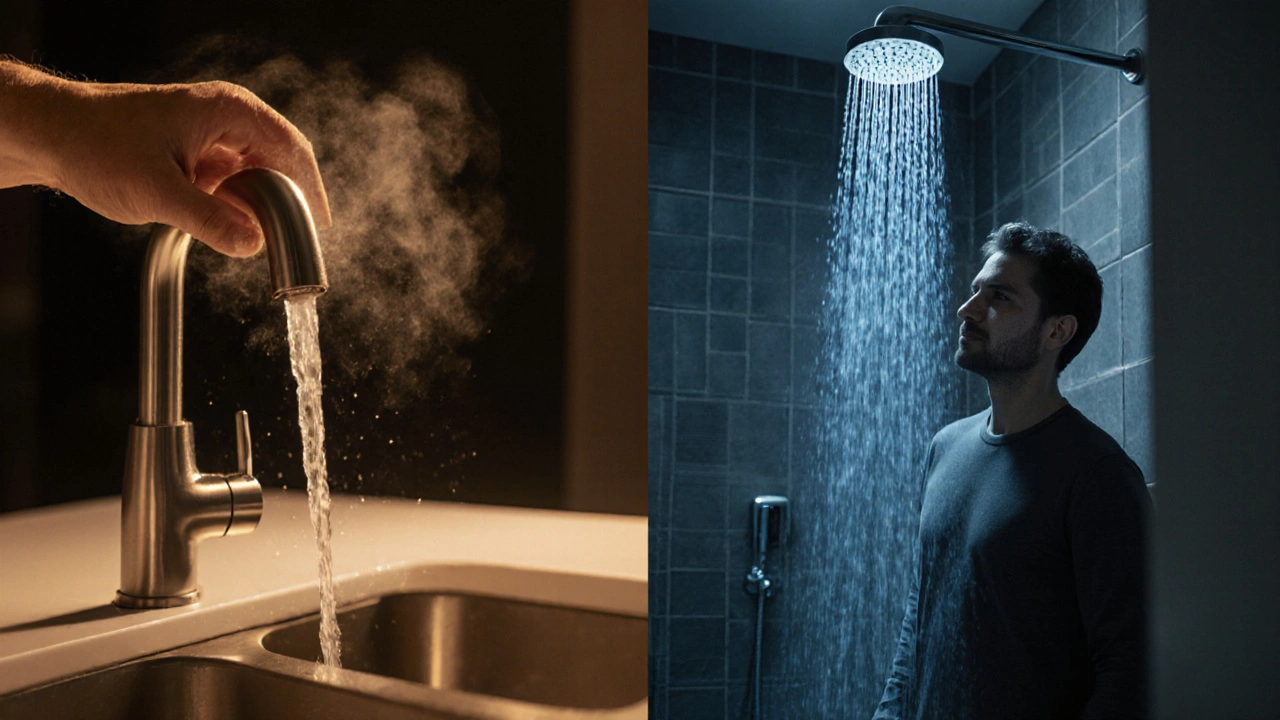
Discover why hot water reaches your sink but not the shower, learn the common causes, DIY fixes, and when to call a plumber for a reliable solution.

Extractor fans are essential for maintaining air quality in enclosed spaces like kitchens and bathrooms. When these fans break down, they can lead to moisture buildup and unpleasant odors. This guide offers practical advice on fixing a broken extractor fan, providing step-by-step instructions that any homeowner can follow. Learn how to diagnose common issues and the tools needed to restore your fan to working order.

Thinking about swapping out your electric oven? This article covers how tough the job really is, where people usually get stuck, and what you actually need to know. We break down what tools you really need, what pitfalls you can avoid, and when you should probably call someone who’s done it before. Get ready for straight talk—no tech jargon, just real advice for regular folks. Whether you DIY or call a pro, you’ll walk away ready to make a smart decision.
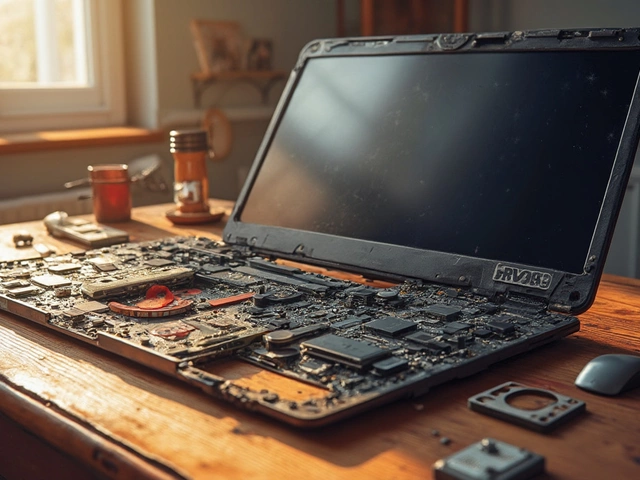
Fixing a laptop can often be a costly affair, with some components surprisingly pricey to replace. This article explores which part of a laptop typically incurs the highest repair costs and why. We dive into details like the high expense of screen and motherboard repairs, offering insights into why these parts hit the wallet hardest. Gain practical advice on maintaining your laptop to avoid these hefty bills in the first place, and discover some curious facts about common laptop repairs.

Extractor fans play a crucial role in maintaining the air quality of your home, yet often go unnoticed until issues arise. Regular servicing of extractor fans can prevent malfunction, improve efficiency, and extend the lifespan of the device. This article explores the importance of servicing extractor fans, signs that show when a service might be needed, and provides maintenance tips to keep these devices in tip-top condition. Learn how a well-maintained extractor fan can contribute to a healthier living environment.
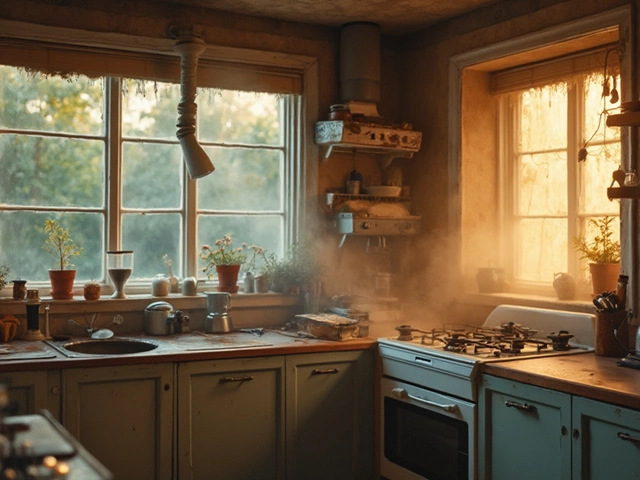
If your extractor fan has suddenly stopped working, it's not just annoying but can lead to bigger problems like excess moisture and lingering odors. This article will delve into common issues with extractor fans and provide practical solutions you can try at home. Learn about potential causes, from power supply problems to sensor malfunctions, along with straightforward fixes. Some tips might even save you from calling in a professional. Get your fan back up and running with ease!