

If your oven is acting up, the first thing to ask yourself is – have you been looking after it? A few minutes of regular care can stop most problems before they start. Below you’ll find the most useful tips that any homeowner can use, whether you have an electric or gas oven.
Ovens get hot, greasy, and dusty all the time. Those heat‑spikes and food splatters create build‑up that can block heating elements, reduce efficiency, and even cause safety hazards. A clean, well‑checked oven uses less energy, cooks food more evenly, and lasts longer. In other words, a little effort now saves you both money and headaches later.
1. Clean the interior after every use. Let the oven cool, then wipe away spills with a soft cloth and warm, soapy water. For stubborn baked‑on grime, spray a mixture of vinegar and water, let it sit ten minutes, then scrub gently. Avoid harsh chemicals that can corrode the interior coating.
2. Check and replace the heating element. If the oven isn’t heating, the element might be cracked or burnt out. Turn off power, remove the element screws, and inspect for visible damage. A quick online guide can show you how to fit a new element – it’s often cheaper than calling a pro.
3. Keep the door seal tight. The rubber gasket around the door should be smooth and flexible. Any tears or gaps let heat escape, making the oven work harder. Test it by closing the door on a piece of paper; if you can pull the paper out easily, the seal needs replacement.
4. Level the oven. An uneven oven can cause heat to concentrate in one spot, leading to hot‑spots or uneven cooking. Use a spirit level on the oven floor and adjust the feet until it sits flat.
5. Service the gas or electric connections. For gas ovens, make sure the burner ignites cleanly and there are no smells of gas. For electric models, check that the cord and plug aren’t frayed. If you’re unsure, an electrician can safely test the wiring and confirm everything is up to code.
6. Descale the oven cavity. Over time, mineral deposits from steam can cling to the interior walls. A solution of half water, half lemon juice sprayed inside and left for an hour works wonders. Rinse with a clean cloth and dry.
7. Run a self‑clean cycle sparingly. Modern ovens often have an auto‑clean function, but it can wear out the heating element faster if used too often. Aim for a deep clean once a year and rely on regular wiping for routine upkeep.
Following these steps will catch most issues before they become costly repairs. If you still face problems like uneven heating, strange noises, or error codes, it’s time to call a qualified appliance technician. They can diagnose more complex faults such as thermostat failure or control board glitches.
Remember, a well‑maintained oven not only cooks better but also helps you save on energy bills. Make the quick cleaning and inspection routine part of your weekly kitchen chores, and you’ll enjoy reliable performance for years to come.

Wondering if it's worth repairing your electric oven or if you should just buy a new one? This article dives into the factors to consider, from cost effectiveness to the age of your appliance, helping you make an informed decision. We'll discuss common issues that can be fixed, when to call in a pro, and some smart tips to extend the lifespan of your oven. By the end, you'll know whether fixing or replacing is the better choice for your situation.

Ovens are essential in any kitchen, but they can sometimes act up. Whether it's uneven cooking, a door that won't close, or strange noises, there's usually a straightforward explanation—and solution. This article delves into typical oven issues, offers handy tips to troubleshoot them, and suggests when it's time to call a professional. Knowing these basics can help keep your oven running smoothly.

Figuring out whether to repair or replace a 10-year-old range can save money and hassle. This article explores cost considerations, common issues, and when to opt for repair versus replacement. Additionally, discover maintenance tips to extend your range’s life. Make informed decisions with a detailed look into repair pros and cons. Navigate the world of kitchen appliances with confidence.

Electric ovens can sometimes act up and cause frustration in the kitchen. While not every issue requires a professional, understanding the basic components can save time and money. This guide explores the practicality, challenges, and tips for tackling common oven problems. Whether it's a heating issue or a broken door handle, knowing what to check is crucial. Get insights into the DIY approach to electric oven repair to keep your appliance running smoothly.
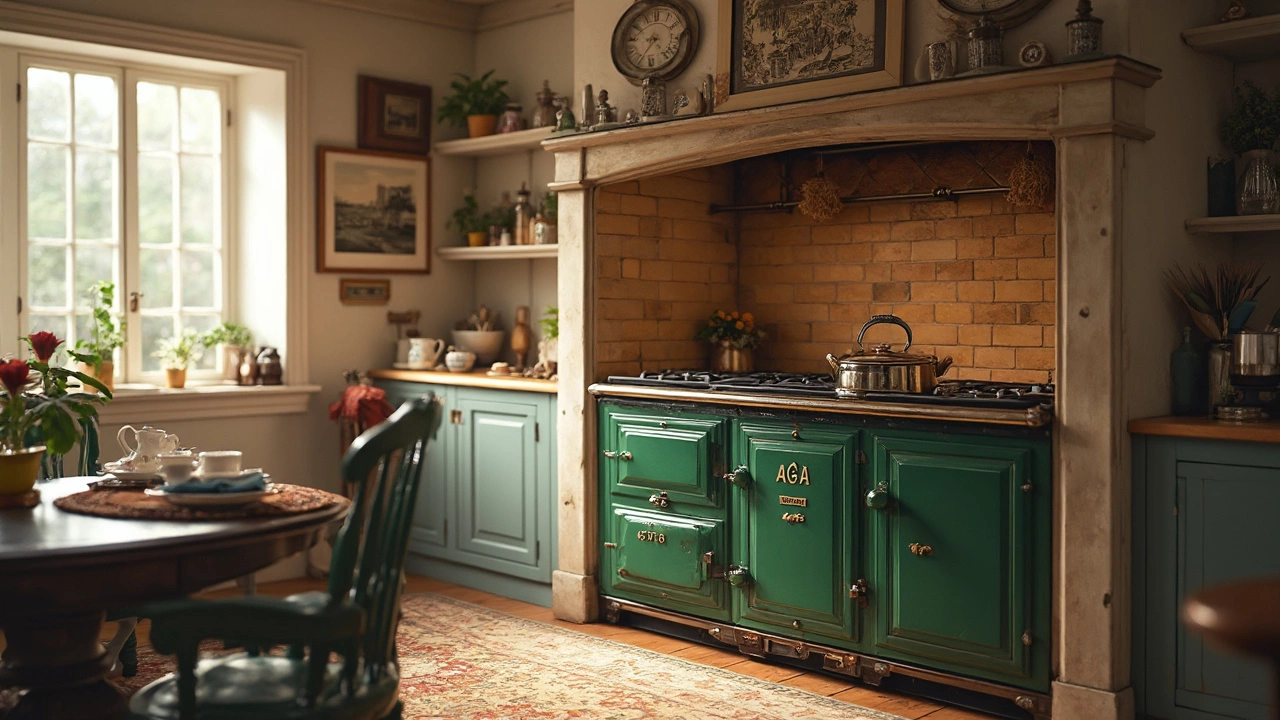
Ever wondered how long your trusty range oven will last? On average, a well-maintained range oven can serve you for about 10 to 15 years. Routine cleaning and minor repairs can help extend its lifespan. Knowing when to repair or replace your oven is crucial for efficiency and safety. Read on for practical tips to make sure your oven lasts as long as possible.

Deciding whether to repair an electric oven after five years can be tricky, especially with advancing technology and evolving household needs. This article explores the practical aspects of oven repair, including cost-benefit analyses, common issues, and DIY tips to help inform your decision. By understanding key factors like repair costs versus replacement options, you can make an informed choice. Learn how to assess the condition of your oven and get tips on when professional help might be needed.
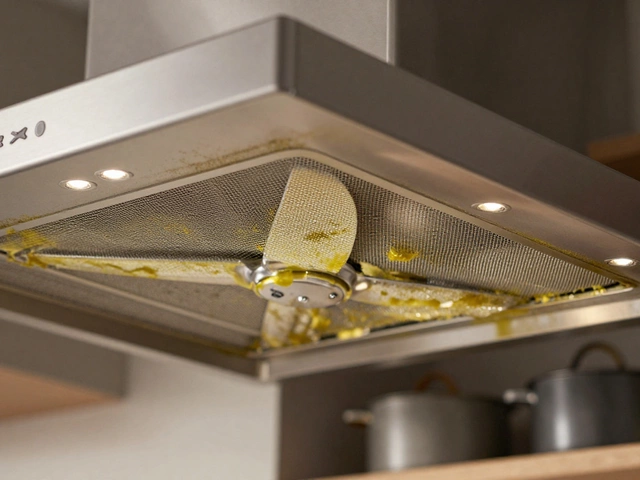
Discover if extractor fans wear out and learn their average lifespan. Identify signs of failure like noise and reduced airflow, and find out when to repair or replace your unit.

Boiler servicing is an essential aspect of home maintenance that ensures safety and efficiency. While it might seem tempting for homeowners to attempt servicing their own boilers, it's crucial to understand the complexities and risks involved. This article explores whether boiler maintenance can be a DIY project, providing key tips and insights. It offers guidance on what aspects are safe to handle on your own and when to call in a professional.
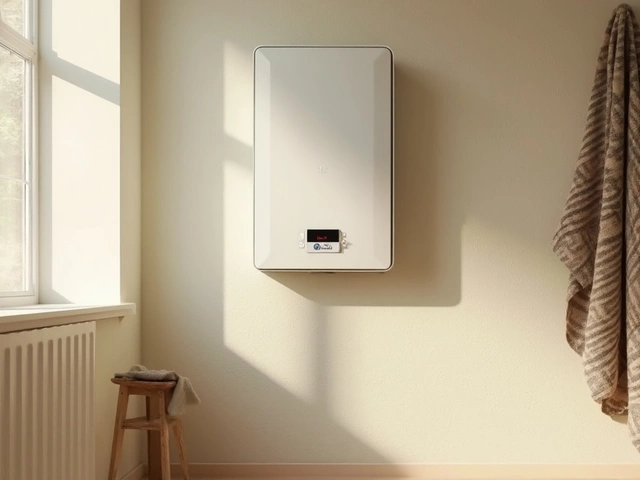
Troubles with your water heater might mean it needs a reset. Knowing when and how to reset it can prevent cold showers and unnecessary stress. This guide covers signs your water heater needs resetting, why it's important, and how to do it safely. Plus, learn some handy maintenance tips to keep it running smoothly.

Microwave suddenly dead? It might be the fuse. This article breaks down the real cost of repairing a microwave fuse—parts, labor, hidden fees, and whether you should DIY. You'll get practical tips on when to call a pro, what brands cost more, and how to avoid common mistakes. A straightforward guide to help you fix your microwave without overspending.
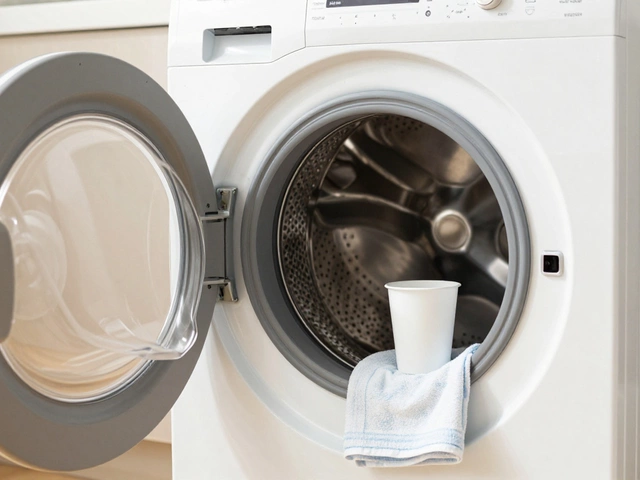
The longest average lifespan of a washing machine is 15-20 years for high-quality models with proper care. Most last 8-12 years, but maintenance, load size, and water quality make a huge difference. Learn how to extend your washer's life and when to repair vs. replace.