

If your oven isn’t heating, clicks on the wrong temperature, or makes strange noises, you’re not alone. Most homeowners face an oven problem at least once a year. The good news? Many of these hiccups are easy to spot and can be fixed without calling a technician. Below we walk through the typical reasons an oven misbehaves, simple steps you can try, and the signs that it’s time to get the experts from Bognor Regis Appliance Repair Experts.
First, understand what makes an oven heat. In an electric oven, a heating element turns electricity into heat. In a gas oven, a burner ignites a flame. If either of these parts fails, the oven stays cold. Common culprits include a broken element, a blown fuse, a faulty thermostat, or a tripped safety switch. Even a loose wire or a dirty oven sensor can throw the whole system off.
Another often‑overlooked issue is the oven’s self‑cleaning cycle. After a deep clean, the thermostat can need a reset. If the oven displays an error code, that code is a shortcut to the problem – look it up in the manual or on the manufacturer’s website.
Before you grab the phone, try these quick checks. 1) **Power check** – make sure the oven is plugged in and the circuit breaker isn’t tripped. A reset of the breaker can restore power instantly. 2) **Reset the oven** – many models have a reset button or you can turn the oven off at the mains for a minute and turn it back on. 3) **Inspect the heating element** – with the oven unplugged, look for visible cracks or burnt spots. If you see damage, the element needs replacing.
4) **Test the thermostat** – a simple oven thermometer placed inside can tell you if the temperature matches the dial. If it’s consistently off, the thermostat could be the problem. 5) **Clean the door seal** – a warped gasket lets heat escape, making the oven work harder and sometimes not reach the set temperature.
If you’re comfortable with tools, swapping a faulty element is straightforward. You’ll need a screwdriver, a replacement part that matches the make and model, and a pair of gloves. Disconnect power, remove the old element, slide the new one into place, secure it, and restore power. Most repairs take under an hour.
When DIY isn’t safe – for example, if the issue involves gas components, electrical wiring beyond the element, or persistent error codes – call a qualified technician. Bognor Regis Appliance Repair Experts have the right tools and certifications to handle gas and electric ovens safely.
Remember, regular maintenance can prevent many problems. Wipe spills promptly, avoid slamming the door, and schedule a professional check‑up once a year. A little care now saves you time and money later.
In short, a non‑heating oven is usually a broken element, a blown fuse, or a sensor glitch. Do the basic power reset, inspect visible parts, and replace the element if needed. When the fix feels beyond your skill set, trust the local experts – they’ll get your oven back to baking, roasting, and toasting in no time.

An electric oven is a kitchen essential that brings culinary magic to life, but sometimes it can start showing signs of wear and malfunction. If you notice uneven cooking, strange noises, or the oven simply won't heat, these could be indicators of a problem needing repair. Knowing the common signs can help you determine if troubleshooting is possible or if it's time to call a professional. From the thermostat issues to faulty heating elements, this guide provides insights into recognizing and addressing potential oven problems.

Extractor fans play a crucial role in maintaining the air quality of your home, yet often go unnoticed until issues arise. Regular servicing of extractor fans can prevent malfunction, improve efficiency, and extend the lifespan of the device. This article explores the importance of servicing extractor fans, signs that show when a service might be needed, and provides maintenance tips to keep these devices in tip-top condition. Learn how a well-maintained extractor fan can contribute to a healthier living environment.
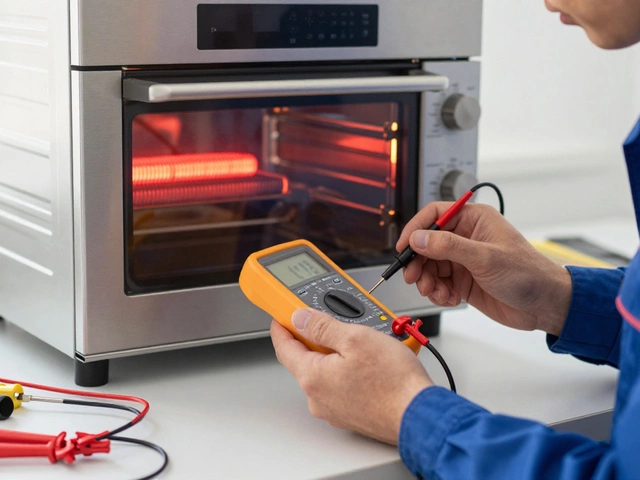
Learn the real cost to fix a broken oven, from common repairs like heating elements and thermostats to when it's better to replace. Get pricing, tips, and expert advice for 2026.
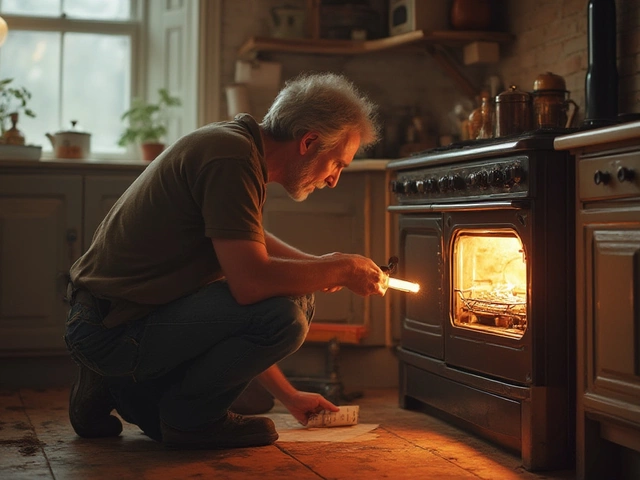
Got a cold oven? Learn if you can swap that faulty heating element yourself, what tools you'll need, and exactly what to watch out for. Easy fixes, with real-life tips.
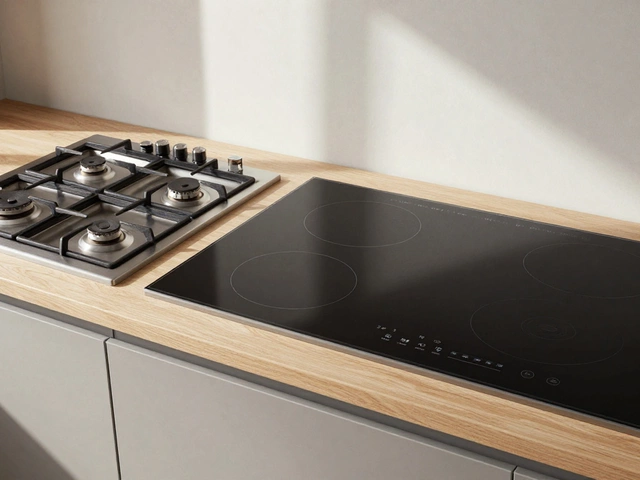
Discover how long different hobs last, from gas to induction. Learn signs of failure, repair vs. replacement costs, and maintenance tips to extend your cooktop's life.

Proper appliance maintenance can save money, extend lifespan, and keep everything running smoothly at home. Learn about essential maintenance tips for common household appliances and understand why some regular attention can go a long way. Dive into practical tips and advice that are easy to apply and can prevent inconvenient breakdowns.