

When your extractor fan, a ventilation device built into kitchen ceilings or walls to remove smoke, steam, and odors. Also known as range hood fan, it's a quiet workhorse—until it suddenly sounds like a jet engine. That grinding, rattling, or buzzing isn’t just annoying. It’s a warning. Most noisy extractor fans aren’t broken beyond repair, but ignoring them can lead to grease buildup, motor failure, or even fire hazards.
The extractor fan isn’t just a fan—it’s part of a system. The noise usually comes from one of four places: a worn-out motor, loose or bent blades, accumulated grease clogging the duct, or a faulty bearing. If it’s been more than two years since you cleaned it, grease is likely the culprit. Grease doesn’t just stick to the blades—it gums up the motor shaft, forcing it to strain. That’s when the whine starts. If you’ve got a ducted system (not recirculating), check the vent pipe outside. Is it blocked by leaves, bird nests, or ice? A clogged duct makes the fan work harder, and louder.
Some people try to fix it by just turning it up. Don’t. Running it louder won’t fix the noise—it’ll just wear it out faster. If the fan is over 10 years old, the motor’s probably nearing end-of-life. Replacing the whole unit often costs less than labor to rebuild an old one. And modern fans are quieter, more efficient, and come with timers or humidity sensors. You don’t need to replace it with the same model—just make sure it fits your duct size and has enough power for your kitchen.
Not all noise means disaster. A light hum is normal. A high-pitched whirring? That’s usually the motor. A clunking or banging? Could be a loose screw or detached blade. A rhythmic rattling? Might be the housing vibrating against the cabinet. You can often fix these yourself—turn off the power, remove the cover, clean the blades with warm soapy water, tighten any screws, and check for obstructions. If the fan still sounds like a dying dragon after that, it’s time to call a technician. Some repair services can replace just the motor or bearings, but many find it faster to swap the whole unit.
What you’ll find below are real repair stories from people in Bognor Regis who faced the same problem. Some saved £300 by cleaning their own fan. Others avoided a kitchen flood by spotting a blocked duct before it caused condensation damage. One homeowner replaced a 15-year-old fan with a new one and cut their energy bill by 18%. These aren’t theory—these are fixes that worked. Whether you want to clean it, tweak it, or replace it, the guides here will show you exactly how to do it safely and without overpaying.
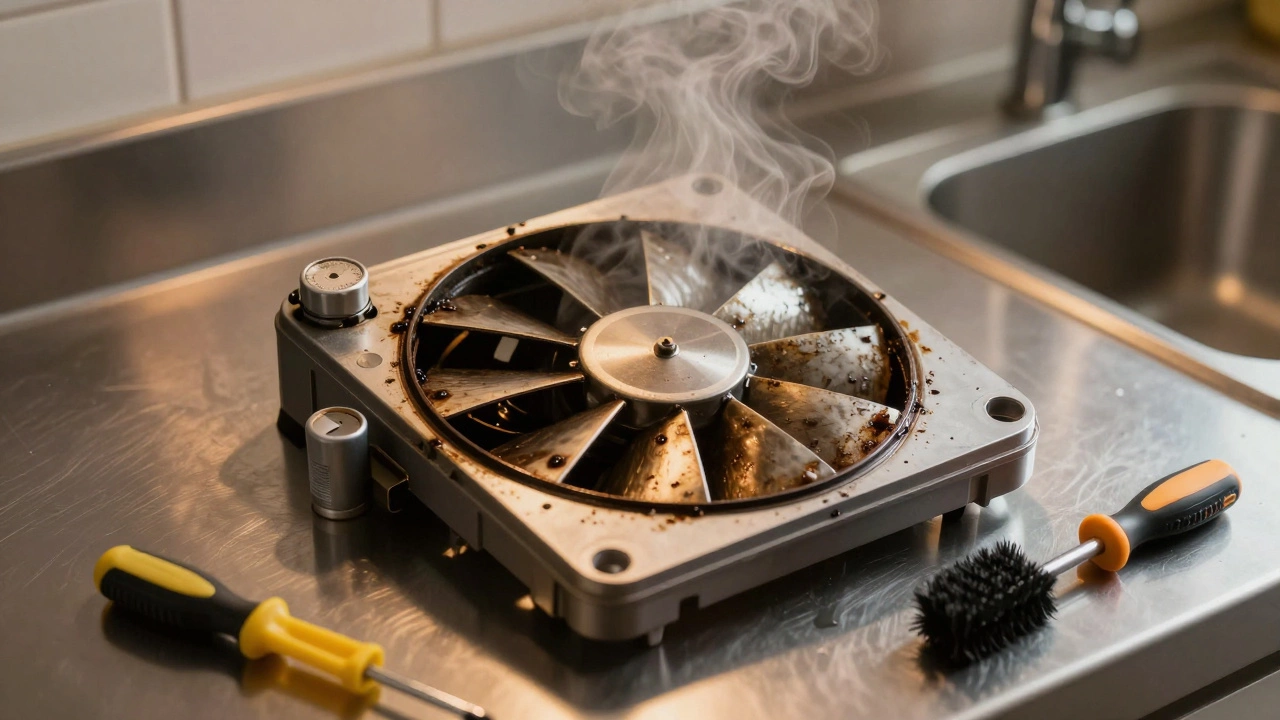
Most extractor fans can be repaired with simple fixes like cleaning, capacitor replacement, or tightening parts. Learn when DIY works and when to call a pro to avoid costly damage from damp and mold.

Discover the essential roles appliances play in our daily lives and learn effective tips for maintaining their efficiency. From refrigerators to washing machines, each appliance features unique mechanics tailored for specific tasks. Grasping these functions is crucial for efficient servicing and longevity. Uncover surprising facts about how appliances work and ground yourself in practical maintenance advice to keep them running smoothly.

Ever wondered how long your trusty range oven will last? On average, a well-maintained range oven can serve you for about 10 to 15 years. Routine cleaning and minor repairs can help extend its lifespan. Knowing when to repair or replace your oven is crucial for efficiency and safety. Read on for practical tips to make sure your oven lasts as long as possible.

Ever found yourself standing in front of a stubborn washing machine that just won’t cooperate? It can be frustrating, right? This practical guide walks you through the simple steps to reset your washing machine, saving you from unnecessary headaches. From spotting common issues to quick fixes, you'll find all you need to get your washer back on track.

If you've ever found yourself wondering whether your freezer is on the fritz, you're not alone. Identifying the warning signs of a broken freezer is crucial in preventing food spoilage and costly repairs. This article delves into the common symptoms of a faulty freezer, how to troubleshoot these issues, and when to call a professional for help. Equipped with practical tips and insights, you'll be better prepared to ensure your frozen goods remain safe and your appliance functions efficiently.

Unravel the mysteries of oven troubles with a comprehensive guide that walks you through common issues and their solutions. From unexpected cold spots to issues with heating elements, this article explores practical approaches to diagnosing and fixing your oven. Learn about signs to watch out for, potential tools needed, and tips to maintain your oven's optimal performance. Perfect for homeowners who want to save a little cash and feel empowered to tackle minor repairs before calling in the professionals. This guide makes oven repair accessible and doable for the average person.