

If you wake up to a cold house, a chilly bathroom, or an oven that won’t heat, you’re probably wondering what went wrong. The good news is many "no heating" problems have easy fixes you can try yourself. The bad news is some issues need a qualified technician, especially when gas or electricity is involved. Below we break down the most common culprits and give you a step‑by‑step plan to get warmth back quickly.
First, figure out what system is affected. Is it the whole house, a single room, the water heater, or just the oven? Here are the usual suspects:
Knowing which piece is silent helps you avoid wasting time on unrelated fixes.
1. Check the thermostat. Make sure it’s on “heat,” set a few degrees above room temperature, and replace the batteries if needed. If the display is blank, that’s a clear sign it’s dead.
2. Inspect the circuit breaker. Open the panel and look for any switched‑off breakers marked “HVAC,” “Furnace,” or “Oven.” Flip them back on—sometimes a simple reset restores power.
3. Look at the air filter. A clogged filter chokes airflow, making heat pumps and furnaces work harder or shut down entirely. Replace a dirty filter with a new one (most cost under £5).
4. Listen for the furnace or heat pump. You should hear a fan start and the burner ignite (for gas units). Silence could mean a failed motor, a stuck relay, or a safety switch that tripped. In those cases, it’s safer to call a professional.
5. Test the oven element. Remove the oven racks, locate the heating element, and look for visible cracks or breaks. If you have a multimeter, set it to continuity and check the element—no beep means it’s dead and needs replacement.
6. Flush the water heater. Sediment buildup can cause the heater to overheat and shut off. Turn off power, attach a hose to the drain valve, and let water run until it’s clear. This simple maintenance can prevent frequent resets.
7. Bleed radiators. If a radiator feels cold at the top but warm at the bottom, air is trapped inside. Use a radiator key to open the valve until water starts leaking, then close it.
After you’ve walked through these steps, restart the system and give it a few minutes. Warm air should start flowing, the oven should glow, and the water heater should produce hot water. If nothing changes, it’s time to call a qualified technician.
Remember, dealing with gas or high‑voltage components without proper training can be dangerous. A professional will safely test pressure, replace a defective heat pump compressor, or fix a boiler’s ignition system. Plus, many local services, like Bognor Regis Appliance Repair Experts, offer same‑day visits and clear pricing, so you won’t be left out in the cold for long.
By tackling the easy checks first, you’ll either solve the problem yourself or have clear information to give the repair tech. Either way, you’ll get back to a warm, comfortable home faster.

Wondering how long you can cope with a broken boiler? Get clear facts, repair timelines, survival tips, and legal details so you don’t get left in the cold.

Discover how long extractor fans last, signs of failure, and when to repair vs replace. Expert tips for extending lifespan and maintaining kitchen/bathroom ventilation.
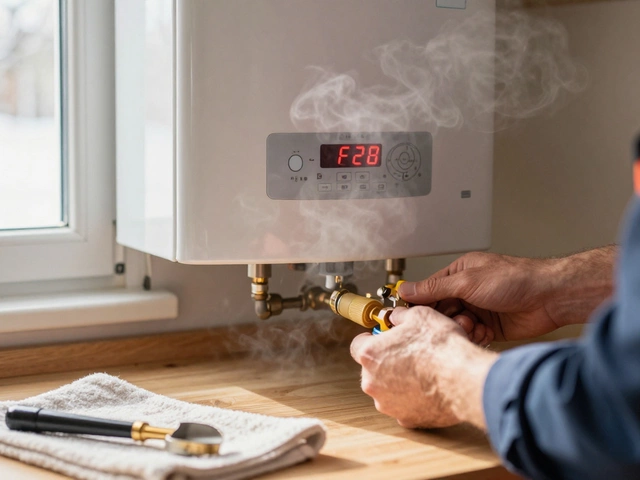
Boiler repairs in the UK usually take 1 to 3 hours, but major issues like a cracked heat exchanger can take half a day. Learn what affects repair time and when replacement is smarter than fixing.
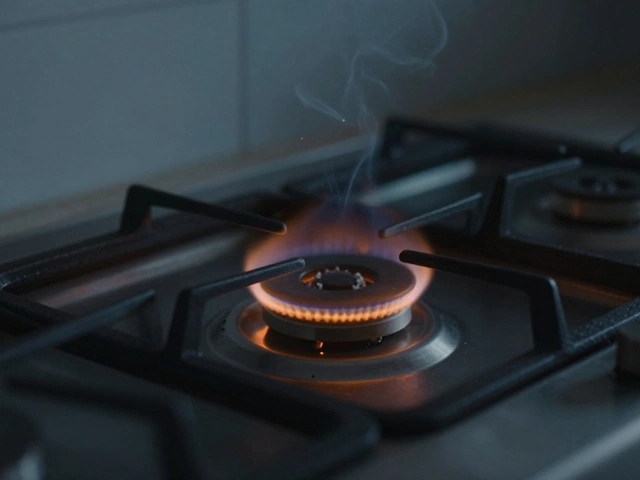
A bad gas oven igniter won't always fail completely. Watch for slow lighting, gas smells, weak flames, or no glow at all. These signs mean it's time to replace the igniter before gas leaks or the oven stops working entirely.
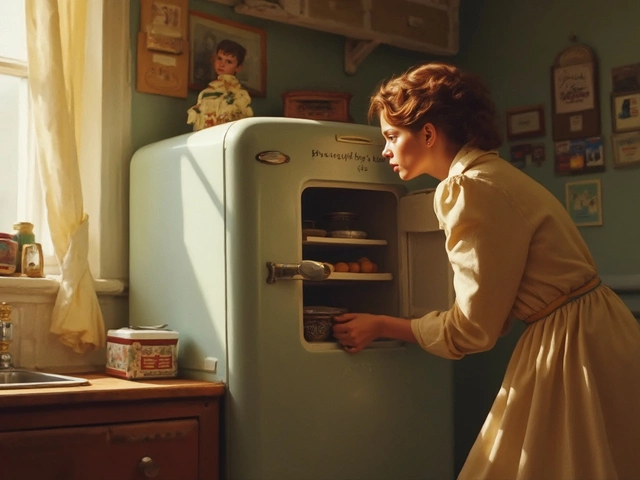
Fixing your fridge on your own can be a real money-saver if you know where to start. First, you've got to figure out what's actually wrong before grabbing your toolbox. With some basic tools and a little patience, you might just handle common issues like leaks, noisy operation, or poor cooling effectively. But sometimes, you also need to know when it's time to bring in a professional.
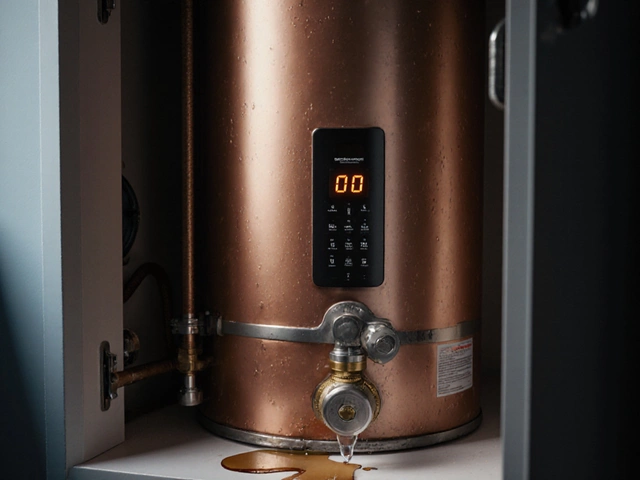
Spot the top warning signs of a failing hot water heater, from strange noises and leaks to temperature swings and error codes, plus practical fixes and when to call a pro.