

Ever looked at a repair bill and thought, “That’s way too much?” You’re not alone. Most homeowners face surprise costs when a washing machine, oven, or boiler quits working. Knowing the usual price range helps you stay in control and avoid nasty shocks.
First, understand that not every problem needs a professional. Simple tasks like cleaning a fridge coil or flushing a water heater can be done in an hour with basic tools. But when a motor burns out or a heat pump loses efficiency, calling a qualified technician is usually the safest move. The key is to spot the easy fixes early and reserve the pricey calls for real emergencies.
Washing machines often fail because of a broken pump, worn belt, or faulty door latch. Repairs generally sit between £80 and £150, while a full replacement can run £400‑£800 depending on brand and capacity.
Electric ovens commonly suffer from a bad heating element or a tripped thermostat. Expect to pay £70‑£130 for an element swap, and up to £250 if the control board needs replacement.
Heat pumps are a bit more complex. A refrigerant leak or fan motor issue can cost £150‑£300 to fix. If the unit’s efficiency drops dramatically, you might face a £500‑£1,200 replacement, especially for larger ground‑source models.
Water heaters and boilers tend to have the highest maintenance bills. A faulty thermostat or heating element might be £100‑£200, but a major boiler overhaul can easily exceed £1,000. Regular service (once a year) usually costs £80‑£120 and can prevent those big expenses.
1. Schedule regular check‑ups. A quick annual visit can catch wear before it turns into a failure. For boilers and heat pumps, a service at the start of the heating season saves money long term.
2. Clean and declutter. Dusty fridge coils, clogged dryer vents, and dirty extractor fans force appliances to work harder. A few minutes of cleaning each month keeps them running efficiently and cuts energy bills.
3. Know the warranty. Many new appliances include a one‑year parts guarantee. If a problem shows up early, claim it – you’ll avoid out‑of‑pocket costs.
4. Do simple DIY fixes. Replacing a broken hob element, flushing a water heater, or swapping a fridge door seal are tasks most people can handle with a screwdriver and a bit of patience.
5. Compare repair vs replace. If a repair bill is over 50 % of a new unit’s price, it’s usually smarter to replace. Factor in energy efficiency – newer models often use less power, saving you money each year.
Bottom line: Understanding common maintenance costs helps you plan, budget, and decide when to DIY and when to call a pro. Keep an eye on the signs, stay on top of regular care, and you’ll spend less on surprise breakdowns while your appliances stay in good shape for years.

Ever wondered who foots the bill for boiler service in your home? This article delves into the responsibilities of homeowners and landlords when it comes to boiler maintenance. It offers practical tips for navigating service agreements and highlights some surprising facts about cost-savings that effective maintenance can offer. Discover insights and advice on ensuring your boiler runs smoothly without burning a hole in your wallet.

Discover what makes some refrigerator repairs more costly than others. From compressor issues to electronic faults, fixing these problems can hit your wallet hard. We'll uncover why some are pricier than others and offer tips on how to avoid them. Learn about preventive measures to save you money in the long run. This guide is a must-read for every fridge owner looking to keep repair costs at bay.
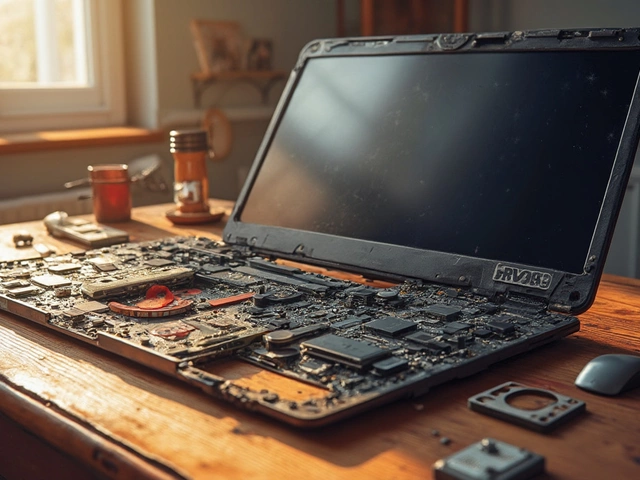
Fixing a laptop can often be a costly affair, with some components surprisingly pricey to replace. This article explores which part of a laptop typically incurs the highest repair costs and why. We dive into details like the high expense of screen and motherboard repairs, offering insights into why these parts hit the wallet hardest. Gain practical advice on maintaining your laptop to avoid these hefty bills in the first place, and discover some curious facts about common laptop repairs.
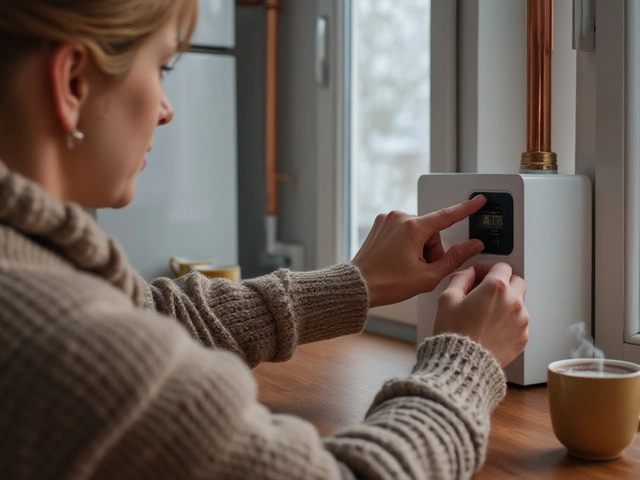
Maintaining a boiler goes beyond just an annual check-up. Regular maintenance ensures that your heating system runs efficiently, prolonging its lifespan and saving money on repairs. This article delves into necessary care tips, signs indicating a need for professional help, and actions homeowners can take to keep their boilers in top shape. Understanding the importance of each maintenance task can help prevent unexpected breakdowns, especially during colder months.
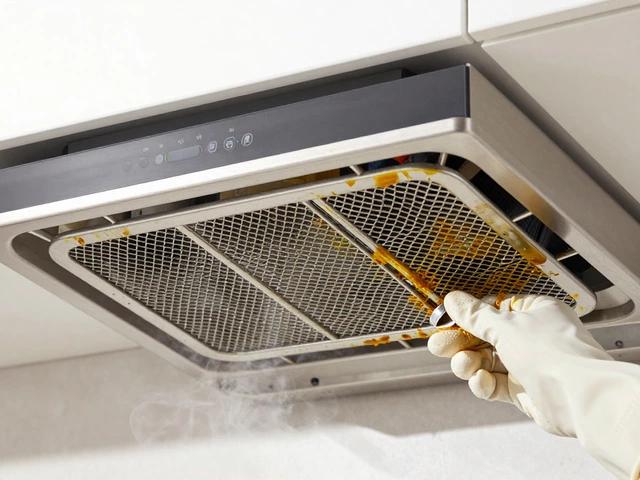
Learn how to troubleshoot a broken extractor fan step-by-step. From cleaning filters to testing capacitors, this guide helps you fix common issues like weak suction, humming noises, and complete failure safely.

Electric ovens are handy, but they're not immune to problems. This article breaks down the most common faults people face, from ovens not heating properly to strange noises and error codes. You’ll get real tips on troubleshooting and signs when it’s time to call in the pros. Save time (and maybe some frustration) by knowing what to look out for. Find out why your oven might let you down and how to deal with it.