

Got a wobbling washing machine or a fridge that’s not cooling? Most of the time you can stop a breakdown before it happens with a few simple habits. Below you’ll find straight‑forward advice you can use right away, whether you’re dealing with a heat pump, an electric hob, or a stubborn dishwasher.
First thing’s first: keep an eye on the obvious signs. A noisy dishwasher, a cold oven, or a heater that trips the reset switch are all red flags. When you notice them, don’t wait for a costly call‑out. Grab the user manual (or a quick Google search) and see if the problem is something you can test yourself. For example, many electric ovens stop heating because the heating element is burnt out – swapping it out is often a weekend DIY project.
If you own a heat pump, the lifespan article in our library shows that regular cleaning of the outdoor unit and checking for frost build‑up can add years to its life. A simple brush‑off and a glance at the filter can keep the unit blowing warm air when you need it most.
Some appliances need extra love at certain times of the year. Before winter, flush your water heater to prevent sediment buildup – it’s a quick process that improves efficiency and cuts energy bills. In the summer, clean the extractor fan in your kitchen or bathroom; replacing an old fan every 5‑7 years keeps moisture and odors at bay.
For washing machines, the lifespan guide recommends running a cleaning cycle every month and checking the hoses for cracks. Spotting a leak early avoids water damage and costly repairs.
Electric hobs and stoves often suffer from faulty burners. A quick visual inspection for scorch marks or a test with a multimeter can tell you if a replacement element is needed. Our step‑by‑step hob element guide walks you through the swap without any jargon.
Don’t forget your appliances that run continuously, like fridges. If the light is on but it’s warm inside, the condenser coils are probably dusty. Unplug the unit, pull it out, and clean the coils with a vacuum brush. This one‑time effort can prevent a full‑blown refrigeration failure.
When you’re unsure whether to repair or replace, check the age of the appliance. Our washing‑machine lifespan article says most machines last 8‑12 years; if yours is older and parts are pricey, replacement may be smarter. The same logic applies to boilers – if service costs keep rising, a new, energy‑efficient model could save you more in the long run.
In short, a bit of regular attention goes a long way. Keep these checklists handy, set a calendar reminder for seasonal tasks, and you’ll keep your home running smoothly without the panic of sudden breakdowns.

Proper appliance maintenance can save money, extend lifespan, and keep everything running smoothly at home. Learn about essential maintenance tips for common household appliances and understand why some regular attention can go a long way. Dive into practical tips and advice that are easy to apply and can prevent inconvenient breakdowns.

Not sure how to keep your extractor fan running smoothly? This guide breaks down the simple steps to service an extractor fan, covering cleaning, inspecting parts, and spotting potential issues. Regular maintenance can extend the life of your fan and ensure your kitchen stays fresh and ventilated. Discover some handy tips and tricks to make this an easy task. No need to call in a professional; you can handle this yourself with a little guidance.

Is fixing a 4-year-old dishwasher actually worth it? Get honest advice, money-saving tips, and clear facts for making the smartest call.

Ever wondered who foots the bill for boiler service in your home? This article delves into the responsibilities of homeowners and landlords when it comes to boiler maintenance. It offers practical tips for navigating service agreements and highlights some surprising facts about cost-savings that effective maintenance can offer. Discover insights and advice on ensuring your boiler runs smoothly without burning a hole in your wallet.
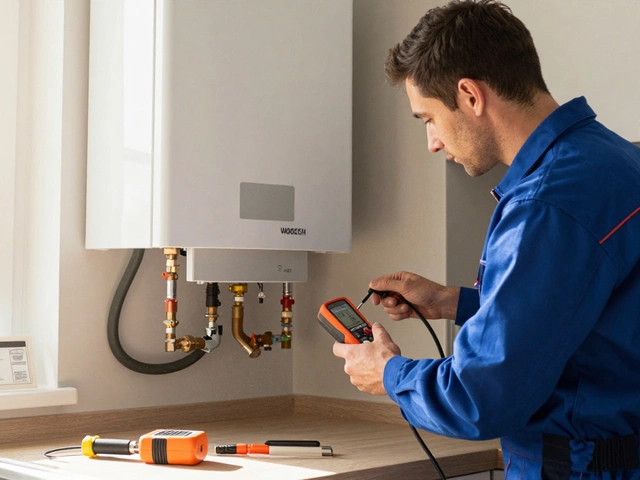
A typical boiler service takes 60 to 90 minutes, but older or neglected systems may require 2-3 hours. Regular annual servicing prevents breakdowns, improves efficiency, and keeps warranties valid. Always choose a plumber who tests gas safety and provides a written report.

Exploring the value of repairing a freezer involves assessing various factors, such as the cost of repairs, the appliance's age, and the efficiency improvements of newer models. Understanding common freezer problems can help homeowners decide whether a repair is worthwhile. The decision should account for both economic and environmental perspectives, guiding when to repair or replace.