

If your kitchen fan is noisy, weak, or stopped working, you’re not alone. A faulty extractor can leave steam, smells, and grease hanging around, making cooking less pleasant. The good news is most ventilation hiccups are fixable without tearing the house apart.
First, check the power. Unplug the fan and look at the plug for any damage. A tripped circuit breaker is a common culprit – flip the breaker back on and see if the fan spins.
Next, clean the filter. Over time grease builds up and blocks airflow. Remove the metal or charcoal filter, soak it in warm soapy water, scrub gently, rinse, and let it dry completely before reinstalling.
If the fan still runs weak, the motor may need lubrication. Many extractor motors have a small access point for a few drops of light oil. Follow the manufacturer’s instructions – a little oil can bring the motor back to life.
Fans usually last 5‑10 years. Look for signs like persistent rattling, a burning smell, or water pooling in the hood. Those clues mean the motor or wiring is failing, and replacement is the smarter move.
Replacing a kitchen extractor fan is a doable weekend project. You’ll need a screwdriver, a drill, a new fan that fits your existing cut‑out, and a step ladder. Turn off the electricity at the fuse box, remove the old unit, disconnect the wiring, and mount the new fan using the same screws. Connect the wires matching colour codes, tighten everything, and restore power. Test the fan – you should hear a steady hum and feel good airflow.
Don’t forget to seal the edges with silicone to keep moisture out. A tight seal also helps the fan work more efficiently, which saves energy.
If you’re unsure about wiring or the cut‑out size doesn’t match a new model, call a local pro. At Bognor Regis Appliance Repair Experts, our technicians know kitchen ventilation inside out and can finish the job in under an hour.
Regular upkeep makes a big difference. Clean the filter every month, wipe the hood’s inner surface weekly, and give the fan a quick spin test after each cleaning. These habits keep the motor cool and extend the fan’s life.
Got a stubborn fan that still won’t cooperate after these steps? It’s probably time for a professional repair or a brand‑new unit. Either way, you’ll enjoy a fresher kitchen and fewer cooking headaches.

Explore the practical steps in diagnosing and fixing common issues with kitchen extractor fans. Learn about the signs your fan might need repair, and gather essential maintenance tips to extend its life. Whether you're a DIY enthusiast or considering professional help, this guide provides valuable insights for restoring your kitchen ventilation system to optimal performance. Discover how regular upkeep can prevent costly replacements.

Electric ovens can sometimes act up and cause frustration in the kitchen. While not every issue requires a professional, understanding the basic components can save time and money. This guide explores the practicality, challenges, and tips for tackling common oven problems. Whether it's a heating issue or a broken door handle, knowing what to check is crucial. Get insights into the DIY approach to electric oven repair to keep your appliance running smoothly.
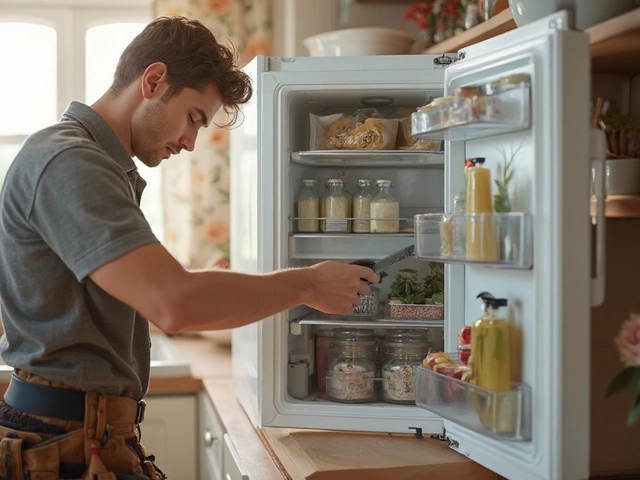
Resetting a freezer compressor may sound daunting, but it's an essential skill for maintaining your appliance's efficiency. Compressors can occasionally need a reset to function properly, potentially saving you from costly repairs or replacements. This article walks you through the steps to safely reset your freezer compressor and offers tips to prevent future issues. Understanding when and why to reset your compressor can keep your freezer running smoothly and extend its lifespan.
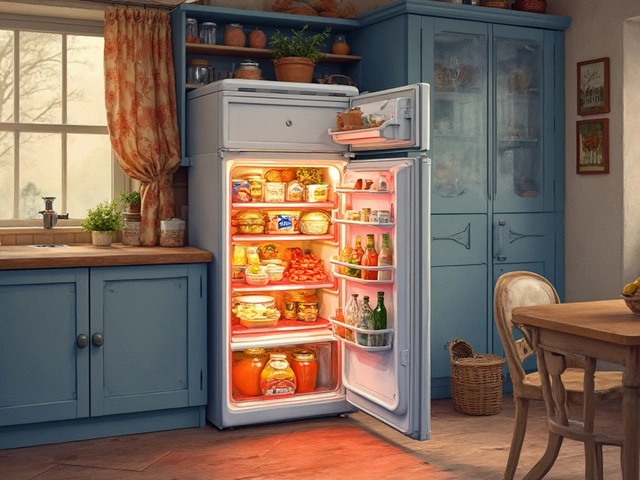
Understanding what usually fails in a fridge can save you time and money. This article explores common issues like malfunctioning thermostats, compressor problems, and leaky seals. Learn helpful tips for diagnosing and possibly fixing these issues yourself. Knowing when to call a professional is also crucial in the life of your fridge.
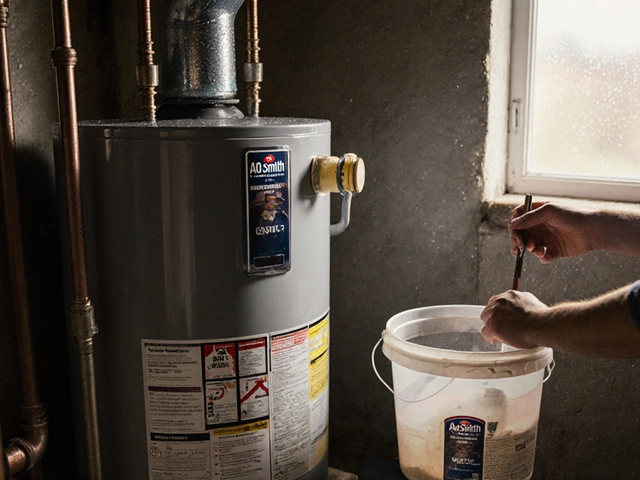
AO Smith, Bradford White, and Rheem are the most durable water heater brands, often lasting 12-15 years with proper maintenance. Learn what really affects lifespan and how to make your heater last longer.

Thinking about replacing your electric oven on your own? This article breaks down what you need to know about doing it yourself— from basic safety to common pitfalls. Learn how tricky the process can get, which tools you might need, and when it's smarter to call a pro. Get tips to save money and avoid kitchen disasters. Designed for anyone who values a good meal and a working oven.