

That hum you hear every time you turn on the extractor, and suddenly it’s gone? Or maybe the fan is rattling like a loose drawer. Kitchen fans are the silent helpers that keep cooking smells and steam out of your space, but they can act up just as easily as any other appliance. Below you’ll find the most common problems, simple DIY steps, and clear signs that you should ring a professional.
Fan won’t start. The first thing to check is the power. Is the switch on? Is the fuse or circuit breaker tripped? Many fans are wired to a wall switch, so a quick test with a lamp can confirm if the outlet works. If power is fine, the motor’s thermal cut‑out may have tripped – give it a few minutes to cool, then try again.
Weak suction or airflow. Grease, dust and cooking debris love to hide in the fan blades and the ductwork. Over time the build‑up chokes the airflow. Remove the filter (if your model has one) and clean it in hot, soapy water. If the filter looks fine, unscrew the outer cover, wipe the blades with a damp cloth, and vacuum the duct as far as you can reach.
Loud or rattling noise. Noise usually means something’s loose. Check the mounting screws that hold the fan housing to the ceiling or wall. Tighten any that feel loose. Also look for a broken blade – a cracked blade will wobble and make a constant whine. Replacing a blade is cheaper than swapping the whole unit.
Odour or burning smell. A scorched smell isn’t something to ignore. It often points to a failing motor bearing or a short circuit. Turn the fan off immediately, unplug it, and inspect the motor housing for discoloration. If the motor feels hot to the touch, it’s time to call a qualified electrician.
Intermittent operation. If the fan works sporadically, the issue could be a faulty switch or a loose connection inside the unit. Spray a little contact cleaner into the switch opening (make sure the fan is unplugged first) and see if it stabilises.
Most of the above issues can be tackled with a screwdriver, a cleaning brush and a bit of patience. Start by unplugging the fan, then remove the outer cover – most models snap off or are held by two screws. Give the interior a good clean, tighten any loose screws, and reassemble.
If you notice a burnt motor, frayed wiring, or the fan still won’t spin after you’ve cleared out debris and checked the switch, it’s time to bring in an expert. Working on electric motors without proper knowledge can be dangerous, and a qualified technician will have the right tools to test motor windings and replace parts safely.
When you decide to replace the whole unit, keep a few things in mind: choose a fan with a similar airflow rating (measured in CFM), ensure the duct size matches your existing pipe, and look for models with easily removable filters for future cleaning. A fresh fan can cost anywhere from £50 to £200, depending on size and features.
In short, a lot of kitchen fan headaches come from simple neglect – a clogged filter, a dusty motor, or a loose screw. Regular cleaning every few months and a quick visual check can keep your fan humming happily for years. When the problem goes beyond cleaning and tightening, don’t risk a bigger repair – call a local appliance repair service who knows kitchen ventilation inside out.

If your extractor fan has suddenly stopped working, it's not just annoying but can lead to bigger problems like excess moisture and lingering odors. This article will delve into common issues with extractor fans and provide practical solutions you can try at home. Learn about potential causes, from power supply problems to sensor malfunctions, along with straightforward fixes. Some tips might even save you from calling in a professional. Get your fan back up and running with ease!

Is it possible for a hot water heater to last 30 years? Here’s a detailed look at what determines water heater longevity, what rare cases look like, and how you can extend your heater’s life with smart habits.

Annoyed by standing water at the bottom of your dishwasher? This article breaks down why your dishwasher isn't draining, what can cause it, and how to troubleshoot the most common issues. Learn about clogged filters, garbage disposal connections, and more. I'll also share some handy tips to help you prevent problems in the future. Whether you're a first-timer or have dealt with dishwasher headaches before, you’ll find practical advice here.

Navigating the world of cooker repair can seem daunting, but armed with the right knowledge, it becomes manageable. This article explores common issues faced by cookers, signs that suggest whether repair is possible, and steps on how to approach fixing these vital kitchen appliances. By identifying whether a do-it-yourself fix is feasible or when to call in a professional, you can make informed decisions about your cooker. Learn about maintenance tips to prolong the life of your cooker and keep it working efficiently.
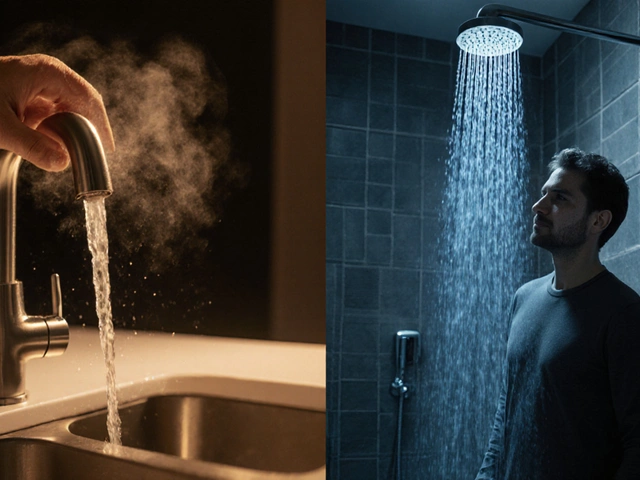
Discover why hot water reaches your sink but not the shower, learn the common causes, DIY fixes, and when to call a plumber for a reliable solution.

Stuck with a broken extractor fan and not sure what to do next? This article gives you practical ideas for improving air flow in your kitchen or bathroom when the fan is out of action. Learn about effective ways to keep humidity, smells, and condensation under control using simple tools and habits. Discover the pros and cons of each alternative solution so you can pick what fits your place best. Skip the stress and get the facts on dealing with bad ventilation the easy way.