

If your kitchen smells like a sauna after a big meal, the extractor fan is probably not doing its job. A weak or noisy fan can ruin cooking comfort and even cause mould. The good news? Most fan problems are easy to spot and many can be solved without a pricey call‑out.
First, check the basics. Is the fan turned on? Does the switch work? Is the filter clogged with grease? A dirty filter reduces airflow dramatically, so give it a quick clean or replace it if it’s worn. Most fans have a removable mesh that you can wash with hot soapy water – let it dry completely before re‑installing.
When cleaning isn’t enough, you might need a new fan. Replacing a kitchen extractor fan yourself takes about an hour and a few tools: a screwdriver, a drill (if you need new mounting holes), and a ladder or sturdy step stool. Follow these steps:
1. Turn off the power at the circuit breaker – never rely on the wall switch alone.
2. Remove the old fan. Most units are held by a few screws and a metal bracket. Carefully disconnect the wiring – note which wires go to which terminals or snap a photo for reference.
3. Fit the new fan. Align the mounting bracket with the ceiling or cabinet opening, secure it with screws, and connect the wires using the same colour code (usually live, neutral, and earth).
4. Seal any gaps with silicone sealant to keep steam from leaking into the ceiling.
5. Switch the power back on and test the fan at low, medium, and high speeds. If it runs smoothly and pulls air efficiently, you’re done.
Our guide “How to Replace a Kitchen Extractor Fan Yourself” walks you through each step with photos and safety tips, so you won’t miss a detail.
Some issues are best left to a qualified tradesperson. If you notice any of these signs, call an expert:
Qualified electricians or specialized ventilation technicians have the tools to test motor windings, replace sealed units, and ensure everything complies with UK safety regulations. Our article “Who Repairs Extractor Fans?” explains which tradespeople have the right skills and how to choose a reputable service.
Another consideration is the fan’s lifespan. Most kitchen extractors last 8‑12 years. If your fan is older, even a perfect repair might only be a stop‑gap. The piece “Extractor Fan Replacement: How Often Should You Change Your Kitchen or Bathroom Fan?” helps you decide whether a replacement is smarter than a repair based on age, performance, and energy efficiency.
Regular maintenance makes a huge difference. Clean the filter every 1‑2 months, wipe the housing with a damp cloth, and check the vent duct for blockages. A quick once‑a‑year inspection of the ductwork can prevent ice‑build‑up in cold months and keep the fan humming quietly.
Bottom line: a well‑maintained extractor fan saves you time, money, and kitchen drama. Start with a basic cleaning, move to a DIY swap if needed, and know when to call a pro. With these tips, your kitchen will stay fresh and your cooking will stay enjoyable.

Discover how long extractor fans last, what shortens their life, and tips to maximize their lifespan in your kitchen or bathroom. Practical, clear advice from real experience.

Microwave ovens, essential kitchen appliances for many households, can sometimes fail to operate smoothly. This article dives into the intricacies of microwave repair, exploring common issues, troubleshooting methods, and practical repair tips. Designed for both amateur DIY enthusiasts and curious individuals, the guide offers insights into understanding microwave components and determining when professional help is necessary. Learn the skills needed to fix minor problems and tips to maintain the efficiency of your microwave.
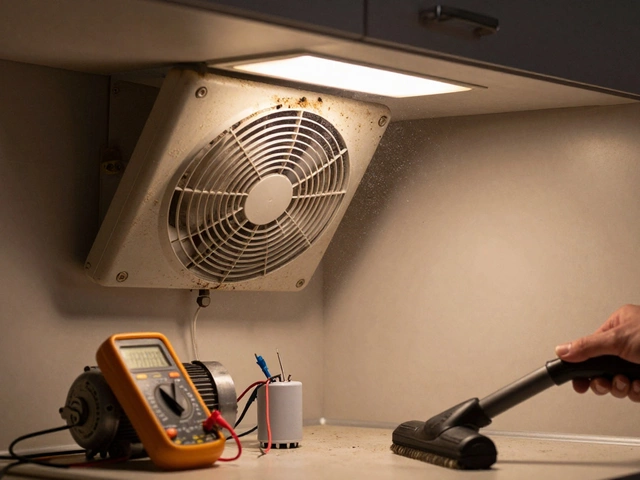
If your extractor fan suddenly stopped working, check the power, capacitor, and airflow first. Most issues are fixable without replacing the unit. Learn how to diagnose and repair common fan failures safely and affordably.
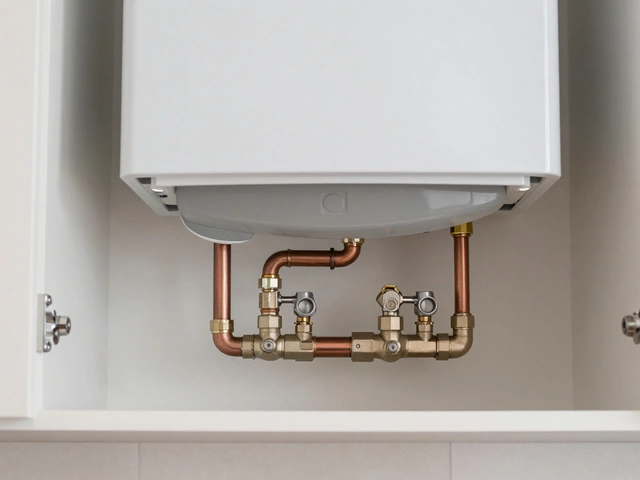
Wondering why boiler replacement is so expensive? We break down the costs of hardware, Gas Safe labor, and system upgrades to explain where your money actually goes.
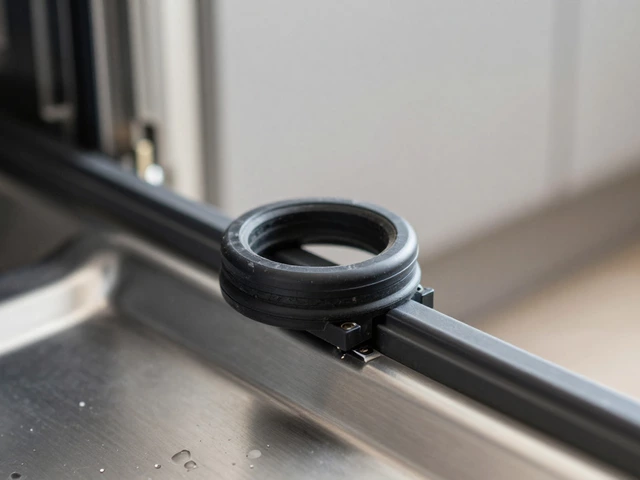
Discover what usually fails on a dishwasher, from door seals to drain pumps. Learn how to diagnose common issues, estimate repair costs, and decide when to fix or replace your appliance.

Find out how to tell if your oven’s heating element or thermostat is busted with simple tests, warning signs, and expert tips you can trust.