

Ever wonder why your oven won’t heat or the extractor fan sounds like a whirring helicopter? Most kitchen appliances fail for simple reasons that you can spot and often repair yourself. Below we break down the everyday culprits and give you clear steps to get things working again.
Electric ovens and hobs often stop heating because a heating element has burned out, a thermostat is faulty, or the wiring is loose. A quick visual check for a broken coil or a burnt smell can tell you if the element needs swapping.
Extractor fans lose suction when the filter is clogged, the motor brushes wear out, or the fan blade hits debris. Pull out the filter, give it a wash, and listen for any grinding noises – if the motor sounds harsh, it probably needs a new brush set.
Fridges that run but stay warm usually have a blocked condenser, a malfunctioning thermostat, or a faulty door seal. Clean the coils at the back, test the thermostat by feeling for a click when you turn the dial, and check the rubber seal for cracks.
Dishwashers that won’t drain often suffer from a clogged pump or a broken impeller. Remove the bottom rack, check the pump inlet for food bits, and spin the impeller by hand – it should turn freely.
These problems share a common theme: dirt, wear, or a single part giving up. Most can be tackled with a screwdriver, a multimeter, and a bit of patience.
1. Turn off the power. Always unplug or switch off the circuit breaker before you start. Safety first saves headaches.
2. Inspect visually. Look for scorch marks, broken wires, or loose connections. A close look often shows the issue without any probing.
3. Test with a multimeter. Set it to resistance (Ω) and check heating elements or motor windings. A reading of infinite resistance means the part is dead.
4. Replace the part. Most elements, fans, and thermostats are sold as DIY kits. Follow the manufacturer’s guide – it’s usually a few screws and a clip.
5. Re‑assemble and test. Put everything back, restore power, and run a short cycle. If it works, you’ve saved a call‑out fee; if not, the fault may be deeper and needs a professional.
When you’re unsure, note the model number and search for a repair video. Seeing someone pull the same part out makes the process less intimidating.
Remember, regular maintenance cuts down on breakdowns. Clean extractor filters monthly, wipe fridge coils quarterly, and check oven seals for wear each year. Small habits stop big failures.
If a problem persists after these steps, it’s time to call a local specialist. A qualified technician can diagnose hard‑to‑reach issues like control board failures or gas valve faults safely.
Bottom line: most kitchen appliance issues are caused by simple wear and lack of cleaning. With a basic toolkit and a clear plan, you can handle the majority of fixes yourself, keeping your kitchen running smoothly without breaking the bank.

When your dishwasher starts acting up, a quick, accurate diagnosis can save you from bigger headaches and pricey repairs. This article walks through simple methods to spot dishwasher problems, from weird noises to stubborn leaks. You'll learn what to check first, how to tell if it's a DIY fix, and when it's time to call in a pro. Handy tips and real-life examples make this guide easy to follow, even if you're not a born handyman. Don't let a small hiccup become a kitchen disaster — know what to look for and act fast.

Wondering how long a washing machine should actually last? This article breaks down real averages, points out what causes washers to wear out, and shows simple ways to get more years out of your machine. We’ll look at red flags for replacement, compare old versus new models, and clear up some common myths about washers. If you want your next laundry day to go smoothly—or you’re tired of surprise breakdowns—this guide’s for you.
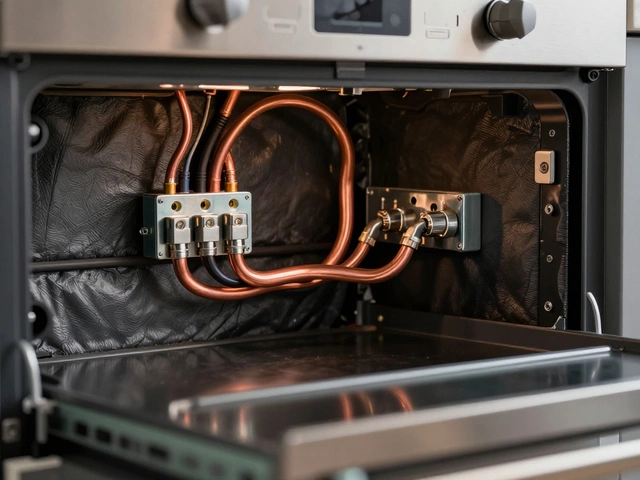
Discover whether you can replace an electric oven yourself or need to hire a professional. Learn about voltage requirements, safety risks, and legal building codes for appliance installation.
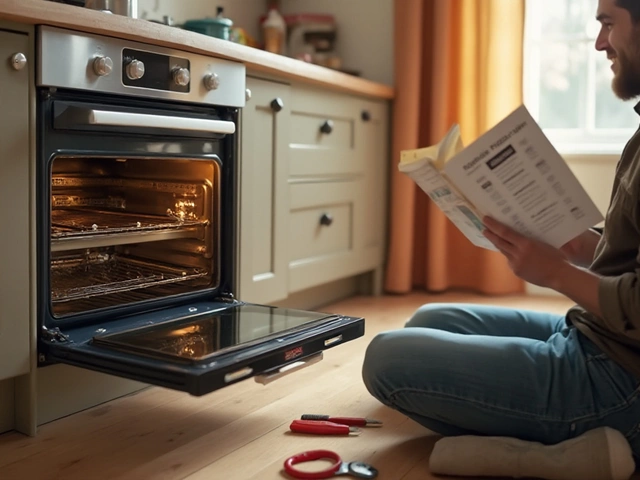
If your electric oven isn't heating properly, it might be time to replace the heating element. Understanding the costs and what's involved in the repair process can help you make informed decisions. This article dives into the factors affecting replacement costs, step-by-step guidance on how to change the element, and practical tips to ensure your oven runs smoothly. With these insights, you can tackle the repair yourself or hire the right professional for the job.
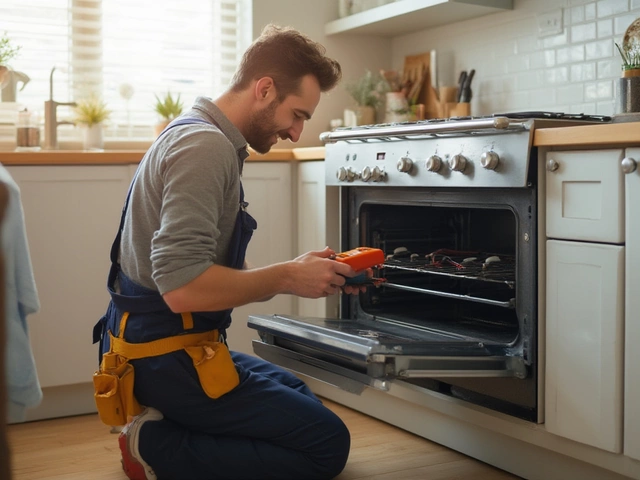
Wondering if an electrician can fix your electric oven? Get the facts, tips, and expert advice you need on diagnosing and repairing broken ovens.

Extractor fans are a lifesaver when it comes to clearing out steam, smoke, and nasty odors, but many people forget they actually need a little love now and then. This article cracks open the question of whether extractor fans need maintenance, and if so, what kind and how often. We'll cover quick tips, warning signs, and busted myths around fan care. Get the straightforward facts (and a few surprises) about keeping your fan working its best. No nonsense, just super practical info you can use right now.