

Cold shower? No hot water? It’s frustrating, but most hot water issues are simple enough to tackle yourself. Below you’ll find the most common reasons a hot water system stops working and clear steps to get the heat back. Follow these tips before you call a repair tech – you’ll save time and money.
Even the best‑rated water heater can hiccup when it gets old, under‑maintained or overloaded. The most frequent culprits are a faulty thermostat, a broken heating element, sediment buildup, or a tripped safety reset. If your boiler is part of a central heating system, low pressure or a blocked pipe can also stop hot water from reaching the taps.
Another often‑overlooked cause is an incorrectly set temperature. When the thermostat is set too low, the water may feel lukewarm even though the unit is running. On the other hand, a setting that’s too high can trigger the safety cut‑out, leaving you with no hot water at all.
1. Check the power. For electric heaters, make sure the circuit breaker hasn’t tripped. Flip the switch back on and see if the unit powers up. If it’s a gas heater, verify the pilot light is still lit. A quick relight can solve the problem.
2. Reset the safety switch. Most modern water heaters have a reset button near the thermostat. Press it once – you’ll often hear a click if the unit restarts. If it trips again shortly after, there’s likely a deeper fault.
3. Flush the tank. Sediment settles at the bottom of storage tanks over time, reducing heating efficiency and causing noise. Turn off the heater, attach a garden hose to the drain valve, and let the water run until it’s clear. This can add years to the system’s life.
4. Test the heating element. If you’re comfortable with a multimeter, remove the element and check for continuity. A reading of infinite resistance means the element is dead and needs replacement. Swapping a faulty element is usually a quick DIY job.
5. Inspect the thermostat. A thermostat set below 120 °F (49 °C) will feel tepid. Raise the temperature a few degrees and watch the water warm up. If the thermostat doesn’t respond, it may need replacement.
6. Look for leaks. A leaking pipe or tank can drop pressure and stop hot water flow. Dry the area, tighten loose connections, and replace any cracked hoses. Even a tiny leak can cause big trouble.
When you’ve tried these steps and still have cold water, it’s time to call a professional. A licensed technician can diagnose hidden problems like a failing gas valve, corroded heat exchanger, or electrical issues that require specialised tools.
Regular maintenance keeps your hot water system humming. Schedule a yearly inspection, keep the area around the unit clear, and run a short flush every six months. Simple habits prevent costly breakdowns and keep your showers warm year‑round.
If you need help beyond these fixes, Bognor Regis Appliance Repair Experts are ready to assist. We handle water heaters, boilers, heat pumps and all the related gear. Give us a call and we’ll get your hot water back on fast.

Learn the warning signs of a failing water heater and get practical tips for repair and maintenance to prevent costly breakdowns and keep your hot water system running safely.
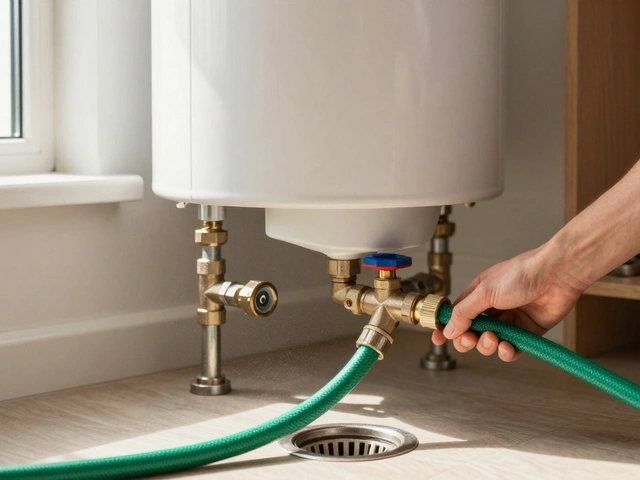
Learn essential water heater maintenance tasks like flushing sediment, checking the anode rod, and testing safety valves to extend lifespan and improve efficiency.

Extractor fans play a crucial role in maintaining the air quality of your home, yet often go unnoticed until issues arise. Regular servicing of extractor fans can prevent malfunction, improve efficiency, and extend the lifespan of the device. This article explores the importance of servicing extractor fans, signs that show when a service might be needed, and provides maintenance tips to keep these devices in tip-top condition. Learn how a well-maintained extractor fan can contribute to a healthier living environment.

Looking for a reliable refrigerator that won't leave you struggling with frequent repairs? Discover which fridge brands are known for their durability and efficiency. This article breaks down the brands with the least reported problems, providing valuable insights from customer reviews and expert opinions. Learn practical tips on how to choose a fridge that suits your needs and keeps your kitchen running smoothly.
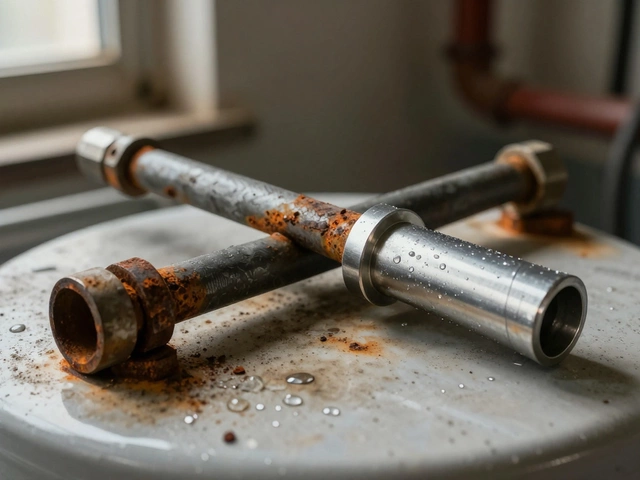
Replace your water heater's anode rod every 1-2 years in hard water areas to prevent tank corrosion. A simple £20 part can save you hundreds in repairs.
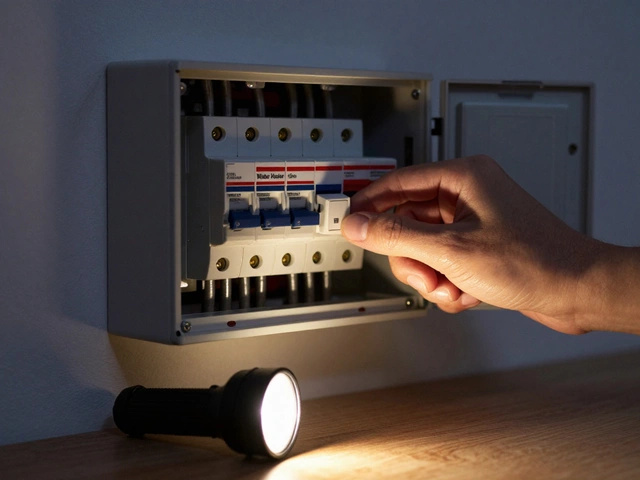
When there's no hot water, the first thing to check isn't the heater-it's the circuit breaker or pilot light. Most issues are simple fixes that save time and money. Learn what to look for and how to fix it yourself.