

When dealing with hot water problem, the condition where you can’t get enough hot water from taps or shower. Also known as no hot water, it often stems from issues with the water heater, the appliance that heats domestic water using electricity or gas or the boiler, the central heating system that can also supply hot water in many UK homes. In many cases, a faulty gas appliance, any kitchen or bathroom equipment that runs on natural gas, like ovens or boilers can interrupt the hot‑water flow. Understanding how these pieces interact helps you pinpoint why your taps run cold.
The first thing to check is whether the hot water problem is isolated to one outlet or affects the whole house. If only the shower is cold, the likely culprit is a shower diverter valve or a clogged pipe. If every tap is affected, the water heater itself is suspect. A common symptom is a sudden loss of hot water after a reset button is pressed on the heater – this often means the high‑limit safety switch tripped because of overheating or a faulty thermostat. Another frequent cause is sediment build‑up inside a tank, which reduces heating efficiency and can cause the heater to overheat. In gas‑fired units, a missing or faulty igniter can stop the burner from lighting, leaving you with cold water despite a perfectly functioning thermostat.
When the problem is linked to the boiler, look for low pressure readings or error codes on the control panel. Low pressure can prevent the boiler from pushing hot water through the system, while error codes usually point to specific failures like a failed pump or a blocked heat exchanger. In newer combination boilers, a blocked heat exchanger often shows up as a “no hot water” message on the display. For electric water heaters, a tripped circuit breaker or a blown fuse can mimic the same symptoms – the heater simply won’t draw power to heat the water.
Don’t overlook the role of the water supply itself. A drop in mains pressure can cause a sudden dip in hot‑water output because the system can’t move enough water through the heater’s coil. Additionally, if you have a pressure‑reducing valve that’s set too low, the heater may not receive enough water to heat efficiently. Seasonal factors matter too – during very cold spells, the incoming water temperature drops, making the heater work harder and sometimes triggering safety shut‑offs.
Once you’ve identified the likely source, the next step is deciding whether a DIY reset or a professional repair is needed. A simple reset is often the first move: turn off the power or gas supply, wait a minute, then press the reset button on the heater (or the power button on an electric unit). If the water warms up after a reset, the issue may have been a temporary overload. However, repeated resets usually signal deeper problems such as a failing thermostat, a cracked heating element, or a blocked vent. In those cases, calling a qualified engineer is the safest route – they can test the pressure, inspect the heat exchanger, and replace faulty components.
Regular maintenance dramatically reduces the chance of a hot water problem striking at the worst time. Flushing the tank annually removes sediment, checking the anode rod prevents corrosion, and testing the pressure relief valve keeps safety mechanisms functional. For boilers, an annual service ensures the combustion process remains efficient and that any error codes are cleared before they cause a full shutdown. Keeping an eye on the pilot light (for older gas heaters) and listening for strange noises can also alert you to upcoming failures.
Below you’ll find a curated collection of articles that break down each of these topics in detail – from how to reset a hot water heater safely, to spotting the warning signs of a failing boiler, and understanding the cost of common repairs. Whether you’re a DIY‑enthusiast looking for quick fixes or someone who prefers to call in a pro, the posts ahead give you the know‑how to tackle any hot‑water hiccup with confidence.
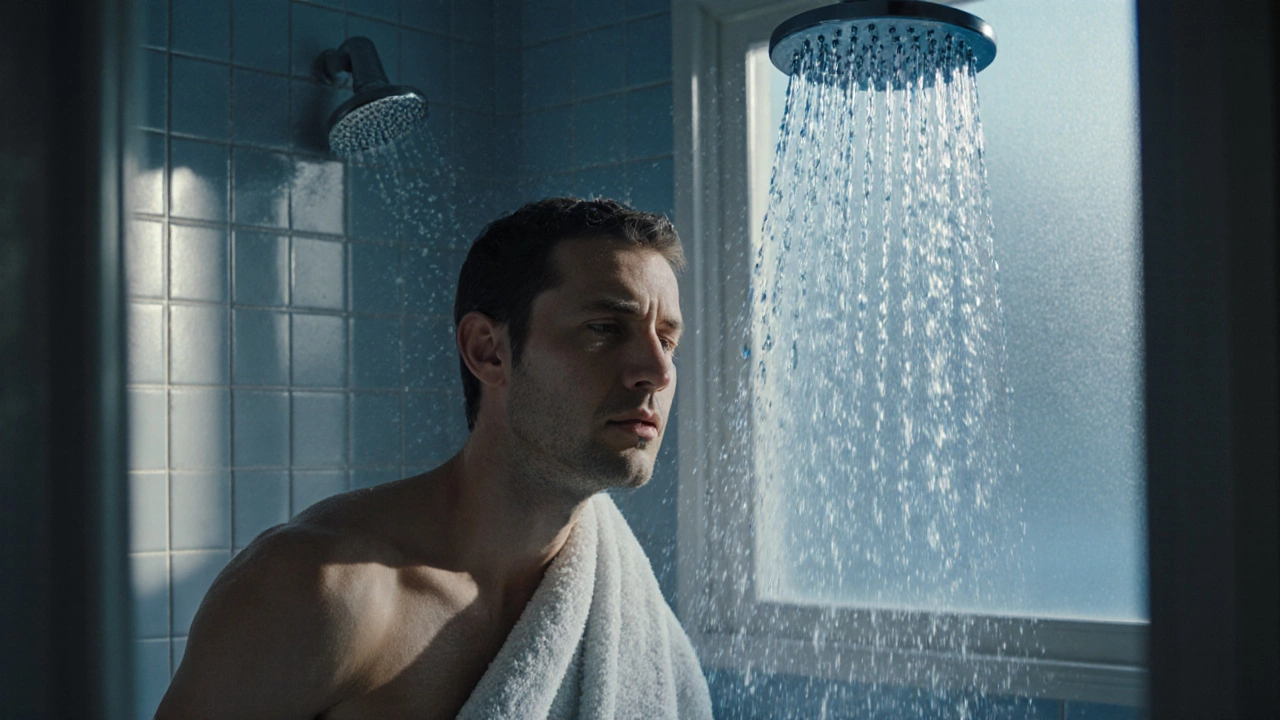
Find out why your hot water vanished, walk through quick DIY checks, learn simple fixes, and know when to call a professional for reliable heat restoration.
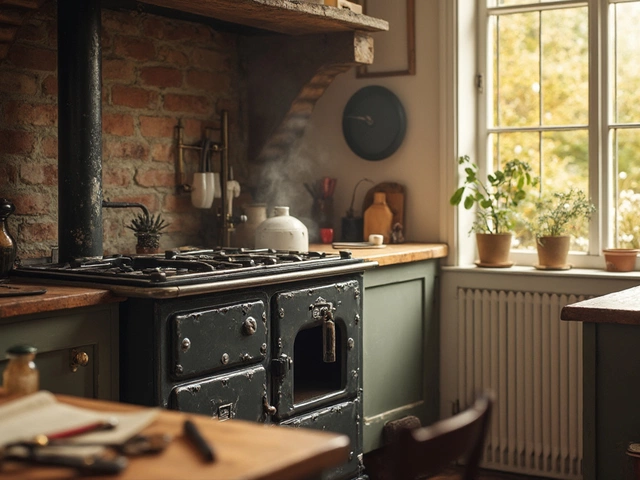
Repairing a gas oven might seem daunting, but it's often worth the effort. This article explores when it's practical to repair versus replace, common issues, and cost-effective solutions. Learn helpful tips, find out if it’s a DIY fix, and consider important safety aspects. Discover how to make an informed decision that saves money and hassle.
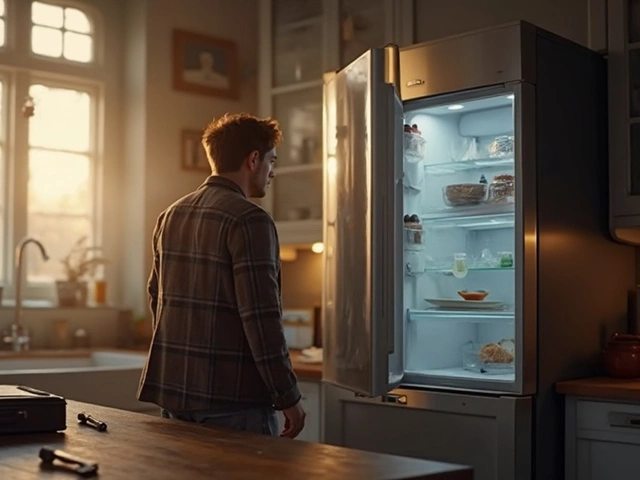
If your freezer isn't doing its one job—keeping things cold—you're in a pickle. But before you start shopping for a new one, there are a few things you might try to get it back to work. From checking the power source to cleaning coils, fixing cooling problems can often be simple and straightforward. Let's explore some potential solutions to get your freezer chilling again.
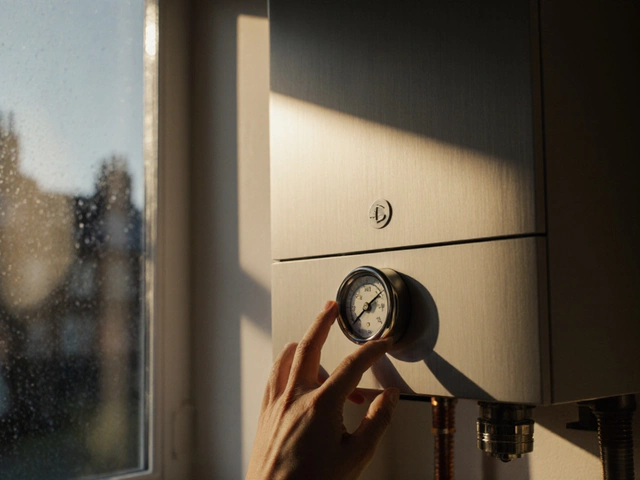
Step‑by‑step guide to diagnose common boiler problems, covering pressure, thermostat, fault codes, leaks, and when to call a professional.
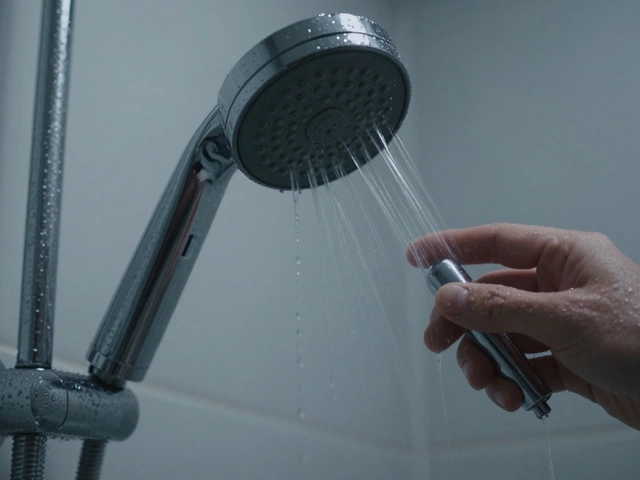
Find out if a broken boiler always means no hot water. Learn common causes like diverter valve failure, low pressure, and how to troubleshoot your system.
Discover how long extractor fans last, what shortens their life, and tips to maximize their lifespan in your kitchen or bathroom. Practical, clear advice from real experience.