

When dealing with hot water heater signs, the visible clues that tell you your water heating system is struggling, you’re basically reading the language of your home’s plumbing. Also known as water heater warning signs, these hints range from weird noises to cold showers. Understanding them helps you catch a failure early, saving time and money. A water heater, the appliance that actually heats the water, can be electric or gas‑powered. When it starts to misbehave, the boiler provides the heat for many hot water systems in the UK often shows the same symptoms, because both rely on the same heat source or circulation network. The reset button, a safety feature built into many units, is another key player – frequent trips indicate an underlying issue that the signs are trying to flag.
First, if you turn on the tap and only get cold water, that’s the most obvious sign. It can mean a broken heating element, a failed gas valve, or a dead thermostat. A second clue is temperature fluctuation – water that starts hot then quickly goes cold, or vice‑versa. That usually points to a failing burner, sediment buildup, or an issue with the thermostat’s sensor. Strange sounds like popping, hissing, or grinding are not just annoying; they often signal mineral buildup, a cracked heat exchanger, or a failing pump. Leaks around the base of the heater or from the pressure relief valve are another red flag – they suggest corrosion, a cracked tank, or excessive pressure. Finally, notice if the heater’s pilot light keeps going out (for gas models) or if the electric unit’s reset button has to be pressed repeatedly. Each of these hot water heater signs is a symptom of a deeper problem within the heating system, the water heater’s internal components, or the building’s plumbing layout.
Knowing these clues lets you move from panic to action. A quick visual inspection can confirm leaks, while checking the thermostat and resetting the unit can rule out simple glitches. If the reset button trips more than once, or if the water heater is over 10‑15 years old, it’s time to call a professional. Regular flushing, cleaning the vent, and testing the pressure relief valve can extend the lifespan of the heater and keep the signs at bay. Below you’ll find a curated set of articles that dive deeper into each symptom, explain step‑by‑step troubleshooting, and tell you exactly when to pick up the phone for expert help. Ready to get your hot water back on track? Explore the guides for practical fixes and peace of mind.
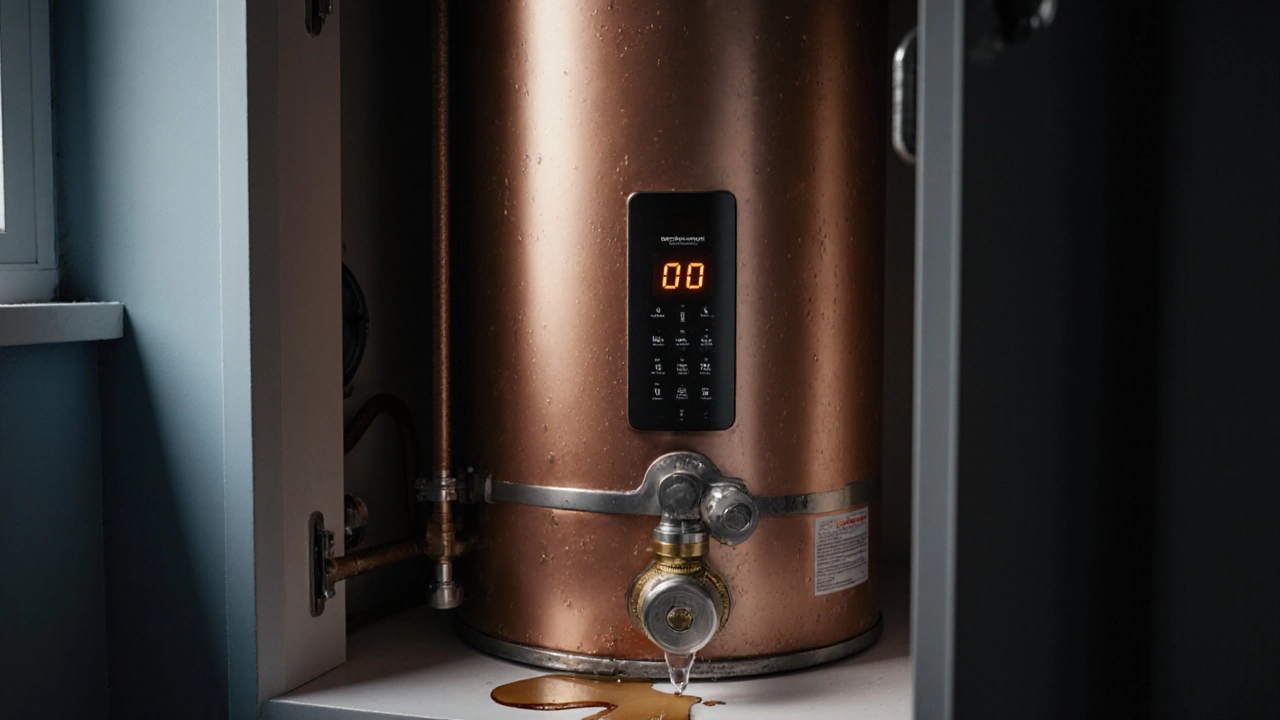
Spot the top warning signs of a failing hot water heater, from strange noises and leaks to temperature swings and error codes, plus practical fixes and when to call a pro.

Keeping your home well-ventilated is essential, and extractor fans play a crucial role in maintaining air quality. Whether you're installing a new fan or repairing an old one, it's important to know who to call. Professional electricians and specialized ventilation technicians are the go-to experts. They ensure fans are properly installed and functioning efficiently, saving you from potential hassles down the road.

Is your heat pump running but not cooling your home? Learn the real causes, expert troubleshooting tips, and practical solutions to get your comfort back.
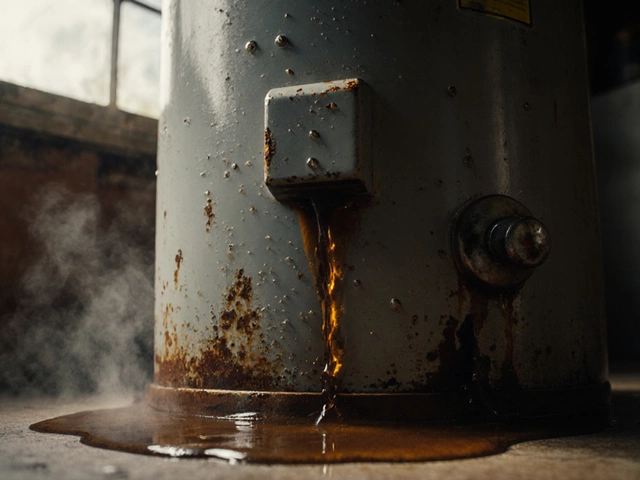
Most water heaters fail due to tank corrosion, heating element burnout, or sediment buildup. Learn the top failure points and how to spot them early to avoid costly repairs or floods.

If your extractor fan has suddenly stopped working, it's not just annoying but can lead to bigger problems like excess moisture and lingering odors. This article will delve into common issues with extractor fans and provide practical solutions you can try at home. Learn about potential causes, from power supply problems to sensor malfunctions, along with straightforward fixes. Some tips might even save you from calling in a professional. Get your fan back up and running with ease!
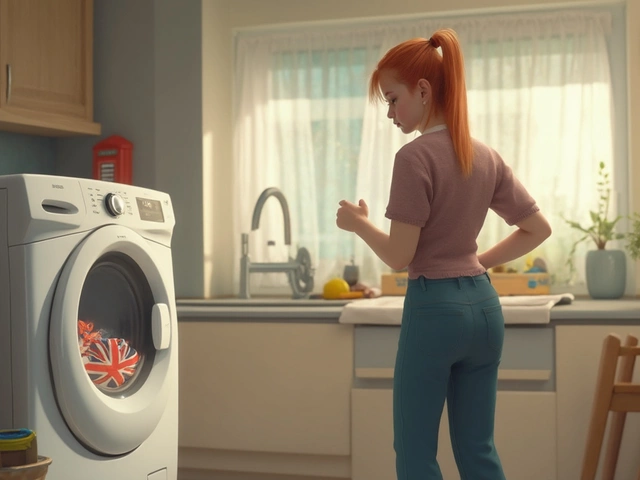
Ever found yourself standing in front of a stubborn washing machine that just won’t cooperate? It can be frustrating, right? This practical guide walks you through the simple steps to reset your washing machine, saving you from unnecessary headaches. From spotting common issues to quick fixes, you'll find all you need to get your washer back on track.