

When winter hits, a comfy home feels like a lifesaver. But heating can also eat up your bills fast. The good news is you don’t have to guess what works best. Below you’ll find straight‑forward advice for heat pumps, boilers, water heaters, and more. Use it to keep the house warm without blowing your budget.
First, look at how your house loses heat. Check windows for drafts, make sure insulation is solid, and note which rooms feel colder. Simple fixes like sealing gaps or adding a door sweep can cut the load on any heating system. Knowing where the problem starts helps you choose the right solution.
Heat pumps move heat instead of creating it, so they use less electricity. In the UK they work well even when it’s chilly, especially ground‑source models that tap the earth’s steady temperature. Air‑source units are easier to install but might need a backup when the frost gets deep. Regular maintenance—cleaning the outdoor coil and checking the refrigerant—keeps them efficient for years.
Both types can last 15‑20 years if you service them yearly. The biggest enemies are clogged filters and dirty fans, which make the unit work harder and raise your bill. A quick filter swap each spring and a leaf‑free outdoor space are all it takes to protect your investment.
Boilers are the workhorse of many homes, but they need a check‑up at least once a year. Look for warning signs: odd noises, slow hot‑water recovery, or a sudden rise in fuel use. Flushing the system and testing the pressure valve are simple tasks you can do yourself, but a certified engineer should handle gas‑related work.
Water heaters have a similar story. Sediment builds up at the bottom of the tank, reducing heating efficiency and causing noisy rumbling. Flushing the tank every 12‑18 months removes the grit and extends the heater’s life. If the water takes longer to heat or you get hot spots, it’s time to inspect the heating element or think about a replacement.
DIY fixes are fine for filter changes, thermostat tweaks, or resetting a tripped breaker. When you spot a leak, a strange smell, or a loss of pressure, call a professional. Trying to fix a gas leak or a cracked boiler shell yourself can be dangerous.
All the tips above are just a taste of what’s available on our home heating solutions tag. We’ve gathered guides on heat‑pump lifespan, boiler efficiency, water‑heater maintenance, and more. Bookmark the page, click the articles that match your problem, and get the step‑by‑step help you need.
Staying warm doesn’t have to be a gamble. Pick the right system, keep it serviced, and know when to bring in an expert. With the right knowledge, you’ll enjoy a cosy home and lower bills all season long.

Discover what causes heat pumps to break down, the warning signs, and how to keep yours running smoothly with practical tips for any homeowner.
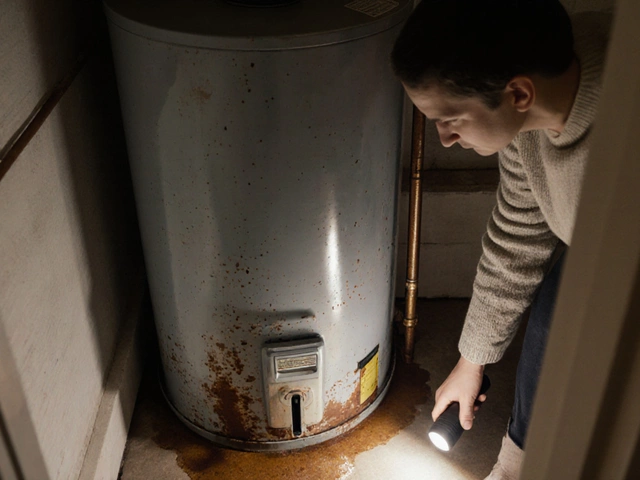
Find out if fixing a 20‑year‑old water heater makes sense. Compare repair costs, energy loss, and replacement price to decide the best move for your home.

Wondering if your oven can hit the 20-year mark? This article digs into what really decides how long an electric oven lasts, from the make to how you treat it. Get real tips to keep yours running strong, spot early signs of trouble, and find out when repair is smarter than replacement. No fluff—just straight answers for anyone looking to save money and avoid surprise oven breakdowns. This is your guide to squeezing every last year out of your electric oven.

Discover how long extractor fans last, what shortens their life, and tips to maximize their lifespan in your kitchen or bathroom. Practical, clear advice from real experience.
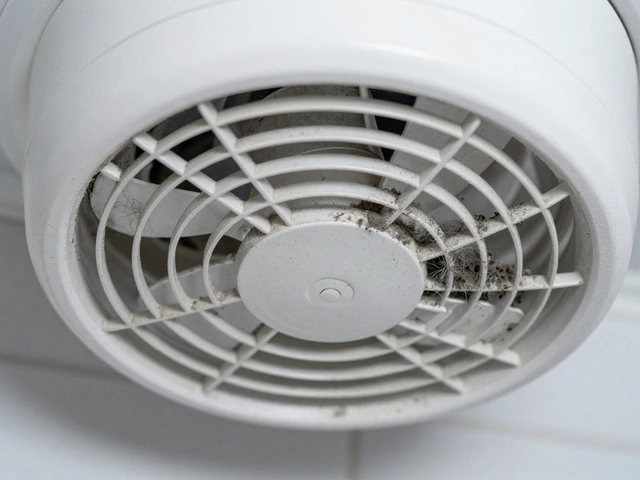
Learn how to properly service your bathroom extractor fan with this easy step-by-step guide. Discover cleaning tips, troubleshooting tricks, and when to call a pro.
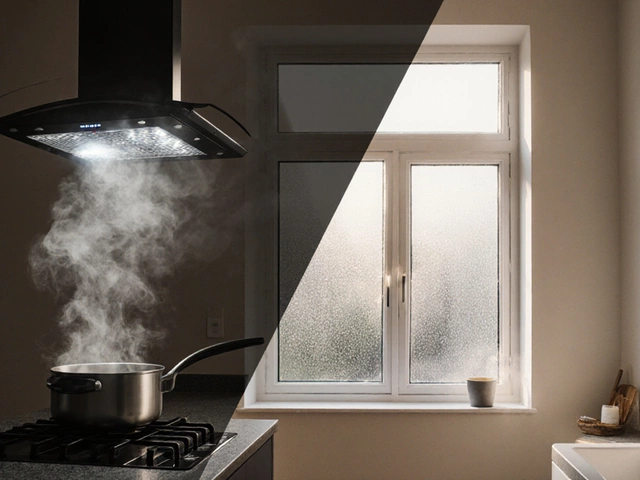
Explore whether you can live without an extractor fan, covering UK regulations, health risks, passive ventilation tricks, dehumidifier use, and when a mechanical fan becomes essential.