

If you live in the UK, keeping your house warm isn’t just about flipping a switch. It’s about knowing how your heat pump, boiler or water heater works, spotting trouble early, and fixing simple issues yourself. Below you’ll find straight‑forward tips that cover the most common heating problems we see in Bognor Regis.
Heat pumps are great because they move heat instead of burning fuel, but they still need care. The two main types – air‑source and ground‑source – have slightly different wear patterns. Most owners notice a drop in warmth when the outdoor unit gets clogged with leaves or dust. A quick clean‑up with a garden hose (turn the power off first) can restore airflow.
Another frequent hiccup is the fan not blowing warm air. It’s often caused by a blocked filter or a loose fan belt. Open the access panel, check the filter, and replace it if it looks grimy. If the belt looks frayed, swapping it out with a new one usually solves the problem. For air‑source units, keep an eye on the outdoor temperature; once it falls below about -5°C the pump’s efficiency can dip, and you might need a supplemental heater.
When a heat pump won’t turn on at all, the culprit is usually the thermostat or the circuit breaker. Reset the breaker, then verify the thermostat is set to ‘heat’ and the temperature is higher than the room. If the unit still stays silent, call a qualified technician – electrical work on a heat pump can be dangerous.
Boilers are the heart of most UK homes. A noisy boiler often means air in the system or a failing pump. Bleed radiators by opening the valve with a key until water runs out, then close it. If the pump whines, check for debris; a quick flush can clear it.
Cold showers usually point to a water heater problem. First, see if the thermostat is set too low. If the heater isn’t firing, it could be a broken heating element or a sediment‑filled tank. Flushing the tank once a year removes mineral build‑up that reduces efficiency. When flushing, turn off power or gas, drain the tank, and refill slowly to avoid shock.
Resetting a water heater repeatedly often means a faulty thermostat or a stuck limit switch. Look for obvious signs like water leaking around the heater or strange noises. If you can’t locate the issue, it’s safer to let a pro handle the electrical components.
Regular maintenance saves money. Schedule a boiler service every year before the winter rush. During the service, the engineer will check pressure, test safety valves, and clean the heat exchanger. It’s a small cost compared to an emergency breakdown in the middle of a cold night.
Knowing when to DIY and when to call a professional can keep your heating running smoothly and protect your wallet. Simple tasks like cleaning filters, bleeding radiators, or flushing a water heater are safe for most homeowners. Anything involving gas lines, electrical wiring, or internal heat pump parts should be left to a qualified technician.
Got a heating problem you can’t solve? Our local Bognor Regis team offers fast, reliable repairs for heat pumps, boilers, and water heaters. Give us a call, and we’ll have your home cozy again in no time.

Looking for the right person to service your boiler? Here’s what you need to know about boiler service, finding qualified engineers, costs, and why it matters in 2025.

Stuck between fixing or swapping your boiler? Discover the real facts, costs, tips, and how to make the right call for your property, budget, and comfort.

Wondering how long it takes to swap out an old boiler for a new one? This article spells out exactly how much time you’ll need, what really affects the timeline, and offers practical tips to speed things up. Get the full breakdown, including what you can do before installation day and how to avoid surprises. If you want your heat and hot water back fast, this guide is for you. Find out what to expect from your boiler replacement and how to stay one step ahead.

Ever wondered who foots the bill for boiler service in your home? This article delves into the responsibilities of homeowners and landlords when it comes to boiler maintenance. It offers practical tips for navigating service agreements and highlights some surprising facts about cost-savings that effective maintenance can offer. Discover insights and advice on ensuring your boiler runs smoothly without burning a hole in your wallet.

Regular boiler servicing is crucial to ensure safety and efficiency in home heating systems. A comprehensive service involves thorough inspections and cleaning, enhancing performance and extending the lifespan of the unit. Areas covered include checking the burner, inspecting the flue, and ensuring controls work correctly. Routine servicing helps prevent breakdowns and identifies potential issues early. Understanding what's involved can help homeowners make informed decisions and maintain reliable heating.

Replacing a boiler can seem like a daunting task, but knowing what to expect can make the process easier. Typically, boiler replacement involves several steps including removing the old unit, choosing the right size and type for your home, and ensuring proper installation. Skilled professionals often make the experience smoother by handling the technical aspects and minimizing disruption. Preparation and understanding of the process can help homeowners tackle this job with confidence.

Navigating the decision between repairing or replacing a 10-year-old stove can be challenging. This article explores various factors including repair costs, the longevity of appliances, and energy efficiency to help homeowners make an informed decision. Additionally, it provides tips and insights on evaluating stove performance and when professional help is warranted. Readers will gain a comprehensive understanding of the practical steps they can take if they find themselves in a similar situation.

When your dishwasher starts acting up, a quick, accurate diagnosis can save you from bigger headaches and pricey repairs. This article walks through simple methods to spot dishwasher problems, from weird noises to stubborn leaks. You'll learn what to check first, how to tell if it's a DIY fix, and when it's time to call in a pro. Handy tips and real-life examples make this guide easy to follow, even if you're not a born handyman. Don't let a small hiccup become a kitchen disaster — know what to look for and act fast.
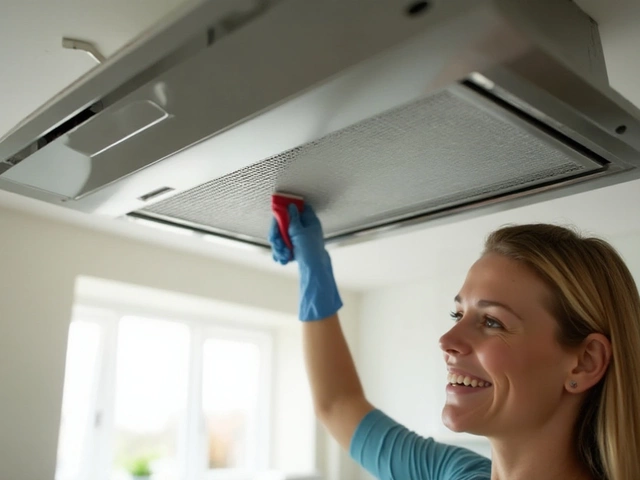
Routine maintenance of extractor fans is crucial to maintaining indoor air quality and ensuring the efficient operation of these ventilation systems. This article explores why servicing extractor fans is important, providing insight into potential problems that may arise if overlooked. Learn how regular upkeep can prevent costly repairs and improve the lifespan of your equipment. Discover practical tips and a step-by-step guide on how to ensure your extractor fan is operating at its best. Keep your home fresh and healthy by understanding the significance of extractor fan servicing.

Curious if you can fix your dishwasher without calling a pro? This article breaks down the most common dishwasher problems and explains which repairs you can actually do yourself. We’ll cover how complicated these appliances really are, how to figure out what’s wrong, the tools you’ll need, and which jobs might leave you better off calling an expert. Get practical tips, interesting facts, and a clear picture of what you’re actually signing up for before grabbing that toolbox.

Deciding whether to repair an electric oven after five years can be tricky, especially with advancing technology and evolving household needs. This article explores the practical aspects of oven repair, including cost-benefit analyses, common issues, and DIY tips to help inform your decision. By understanding key factors like repair costs versus replacement options, you can make an informed choice. Learn how to assess the condition of your oven and get tips on when professional help might be needed.