

If you’ve ever seen a line or a spider‑web pattern on your hob glass, you know how annoying it looks. A cracked hob can stop the burners from heating properly and it makes cooking feel risky. The good news? Most cracks are fixable without calling a pro, as long as you know what you’re dealing with.
Heat is the main culprit. When a pan sits too long on a high setting, the glass expands quickly and can split. Sudden temperature changes – like pouring cold water on a hot surface – do the same thing. Heavy pots, especially if you drop them, add stress points that turn into cracks over time. Even a small chip can grow if you keep using the hob.
Look for any hairline lines, dark spots, or a fuzzier area on the glass. Shine a flashlight across the surface; a crack will reflect light differently than the rest of the glass. If the burners flicker or the heat feels uneven, that’s another sign. Catching a crack early means you can often repair it yourself instead of needing a full replacement.
Before you start any repair, turn the hob off at the mains and let it cool completely. Safety first – no electricity should be flowing while you work.
Most DIY fixes involve a glass repair kit designed for cookware surfaces. These kits include a clear epoxy resin that you spread over the crack, let it cure, then sand smooth. Follow the kit’s instructions closely: usually you’ll apply the resin, wait 15‑30 minutes, then wipe away excess before it hardens.
If the crack is bigger than a finger‑width or goes right to the edge, a DIY fix may not hold up. In those cases, replace the glass panel. You can order the correct size from the manufacturer or a local supplier. Removing the old glass usually means unscrewing the hob’s front frame, lifting the panel, and sliding out the broken piece.
When you have a new panel, place it gently, align the mounting holes, and tighten the screws evenly. Don’t over‑tighten; the glass can stress again. Re‑connect the power and test each burner to make sure the heat spreads evenly.
Even after a successful repair, keep an eye on the hob. Avoid using metal cookware that can scratch the surface, and never heat an empty pan on high. A little habit change can add years to your hob’s life.
If you’re unsure about any step, or the crack seems to affect the heating element underneath, call a local repair service. They can assess whether a simple glass swap will do or if a deeper issue needs fixing.
In short, most hob cracks are caused by heat stress or impacts, they’re easy to spot, and you can often repair them with a resin kit or a new glass panel. With the right tools and a careful approach, you’ll have a smooth, safe hob back in action without breaking the bank.

Cracked or damaged glass hobs make you panic, but not every problem spells doom for your stove. This article breaks down what issues can actually be fixed and when it's smarter to replace the glass. You’ll get real-life tips, possible repair options, and clear warnings for common mistakes. Safety comes first, but you’ll also find out when you can handle things yourself—or absolutely need a pro. Practical info, simple steps—you’ll get the full story on glass hob repair.

When your water heater only puts out cold water, it’s more than just annoying—it can point to real problems inside the unit. This article breaks down the most common reasons behind a water heater that refuses to warm up, from tripped breakers to busted heating elements. You’ll find tips on quick checks you can do at home before calling a pro, plus some unexpected facts about how water heaters really work. Knowing what’s wrong can save you from a frigid morning shower and a giant repair bill. Get ready to tackle that cold water problem with practical advice you can use right away.

Learn how to spot a malfunctioning heat pump, recognize warning signs early, and troubleshoot issues to keep your home comfortable and energy bills in check.
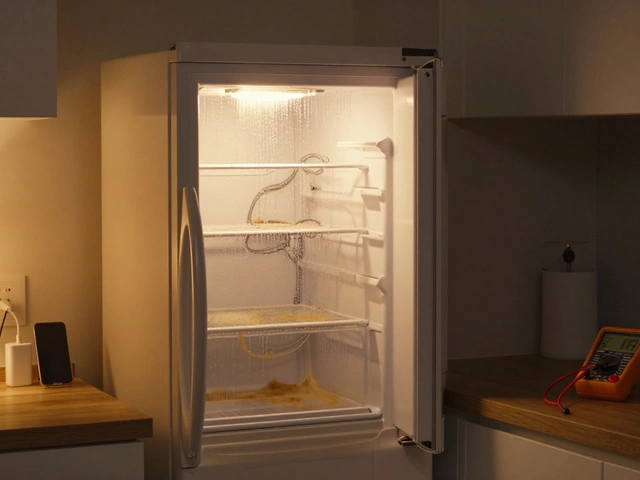
Your fridge suddenly stopped cooling? It's not magic-it's usually a simple fix. Learn the top 6 reasons why fridges fail and what to do before calling a repairman.
Find out why your hot water vanished, walk through quick DIY checks, learn simple fixes, and know when to call a professional for reliable heat restoration.
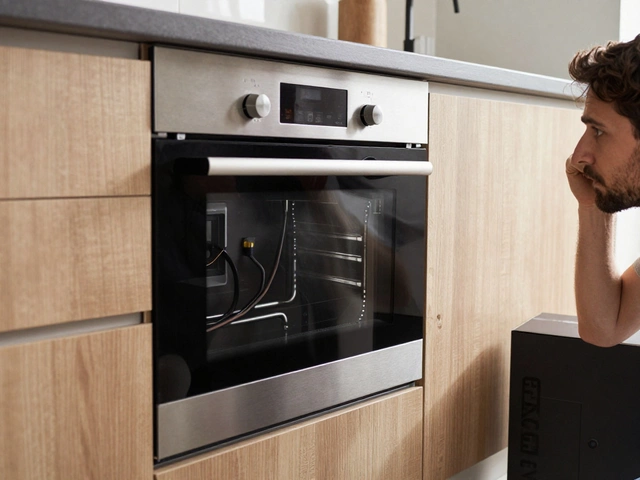
Find out if you need a professional electrician to replace your electric oven in the UK. We cover Part P regulations, DIY risks, costs, and safety steps to help you decide.