

When dealing with high limit switch, a safety device that stops a heating element or boiler when temperature gets too high, you’re looking at one of the most important guards in any hot‑air or hot‑water system. Also called a thermal cut‑out, it works hand‑in‑hand with boiler, a sealed unit that heats water for home heating and hot taps, heat pump, a device that moves heat from outside air or ground into the house and even oven, the kitchen appliance that uses electric or gas burners to bake food. All of these appliances also rely on a thermostat, a sensor that tells the system when to turn on or off to stay safe and efficient. In short, the high limit switch protects equipment by cutting power when temperature exceeds safe limits, which prevents damage and fire hazards.
Most homeowners first notice a problem when the boiler won’t fire, the heat pump stops blowing warm air, or the oven refuses to heat. Those symptoms often trace back to a tripped high limit switch. If the switch has opened, the system’s control board will register a fault code – something you’ll see in many of our boiler troubleshooting guides. You might also hear a clicking sound as the switch resets itself, only to open again a few minutes later. In a heat pump, a faulty switch can cause the compressor to overheat, leading to short cycling and higher energy bills. For ovens, a bad switch usually results in an “oven not heating” warning, which you’ll find discussed in our electric oven repair article. The common thread is that the switch is doing its job – stopping the heat – but it’s doing it at the wrong time.
Another clue is a lingering smell of burnt wiring or a faint metallic odor near the appliance. That indicates the switch may have welded shut, keeping the heating element live even when the temperature is already too high. Safety inspectors often recommend checking the high limit switch during routine boiler service, as we explain in the boiler service cost guide. When you replace or test the switch, you’ll typically need a multimeter to verify continuity. If the reading stays open at room temperature, the switch is likely bad and should be swapped out. The replacement part is inexpensive, but the labor cost can add up, especially if you need an experienced technician to access it inside a sealed boiler housing.
Understanding how the high limit switch interacts with other components helps you decide whether a DIY fix is feasible. For simple ovens, you can turn off the power, remove the rear panel, and test the switch with a multimeter – a task covered in our oven element replacement guide. Boilers and heat pumps, however, involve pressurized systems and sometimes gas lines, so it’s safer to call a qualified engineer. Knowing the difference saves you time, money, and the risk of voiding warranties. Below you’ll find articles ranging from step‑by‑step boiler diagnosis to heat pump compressor cost, each touching on how a high limit switch fits into the bigger picture of appliance safety and performance.
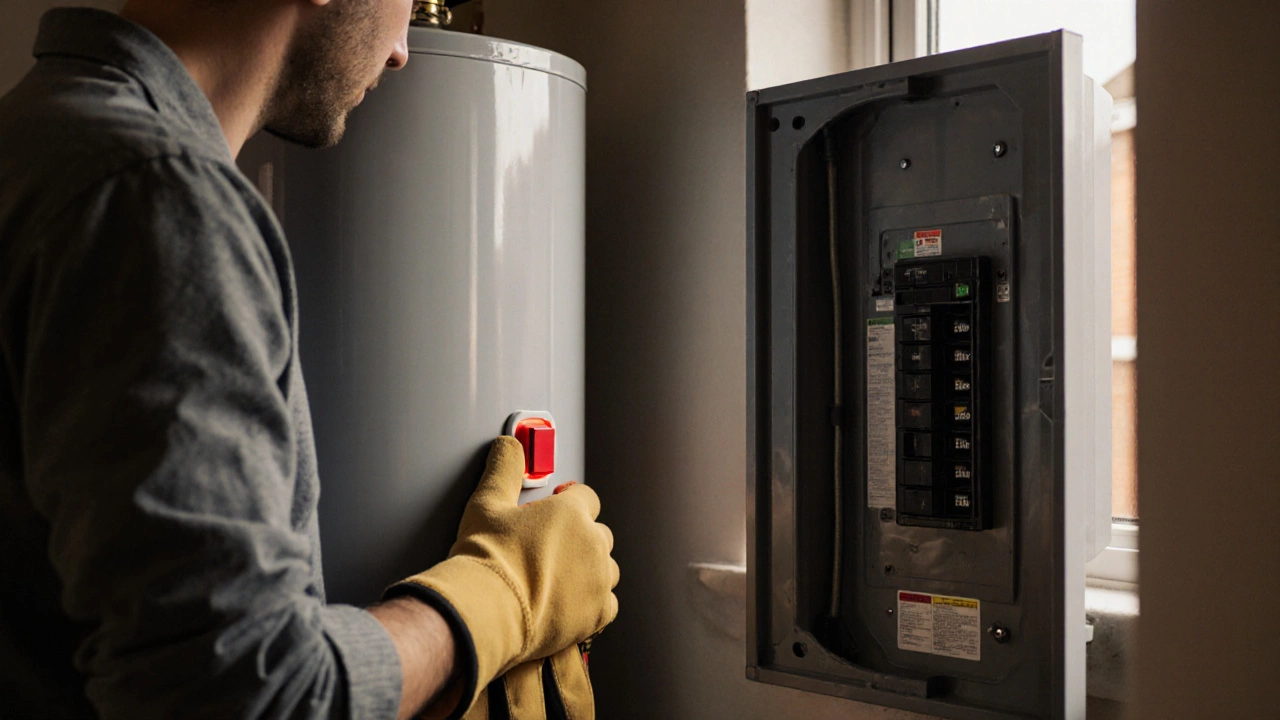
Learn when it's safe to press the water heater reset button, step‑by‑step instructions, common risks, and when to call a professional.
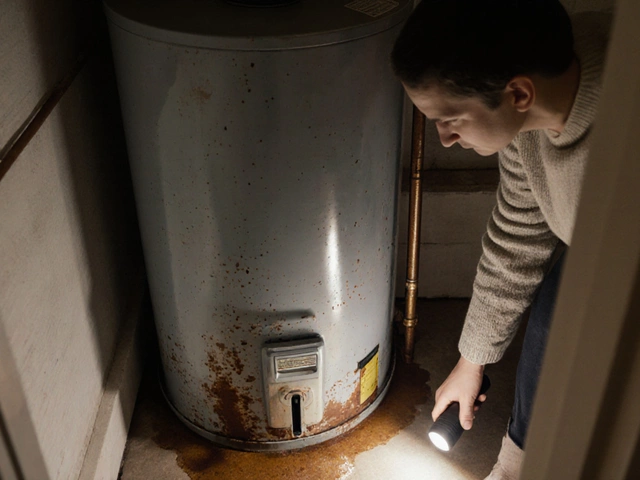
Find out if fixing a 20‑year‑old water heater makes sense. Compare repair costs, energy loss, and replacement price to decide the best move for your home.

Find out when fixing a 15‑year‑old oven makes sense, compare repair costs with buying new, and learn safety, energy and environmental factors to help you decide.

Repairing a glass hob is an essential task for maintaining a functional and modern kitchen. The cost of fixing a glass hob can vary greatly depending on the damage's severity and the required repair type. This article delves into the various factors influencing repair costs, from crack treatment to replacement solutions. It also provides tips for maintenance to prolong the lifespan of your hob and prevent future damage.

When your dryer suddenly stops working or leaves your laundry sopping wet, it’s tough to know what your best next step is. Should you call in a repair service, try a DIY fix, or bite the bullet and shop for a new one? This article breaks down the real costs, tells you what repairs make sense, and gives you actionable tips so you don’t spend more than you have to. It covers which common dryer issues can be fixed on a budget, when to say goodbye to a worn-out machine, and how to make smart decisions that save time, money, and hassle.
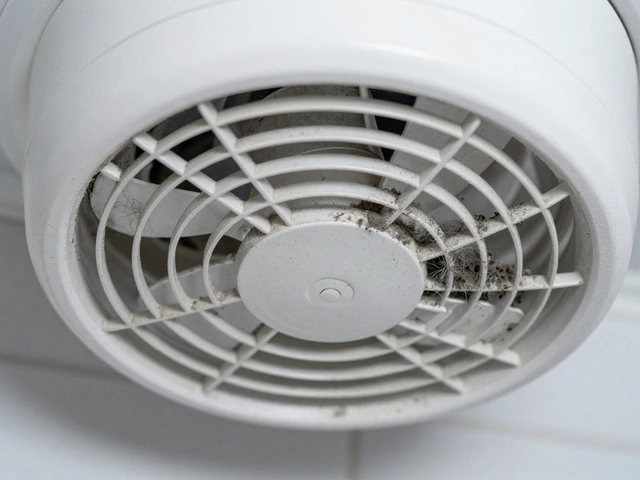
Learn how to properly service your bathroom extractor fan with this easy step-by-step guide. Discover cleaning tips, troubleshooting tricks, and when to call a pro.