

When the temperature drops, it’s tempting to crank up the heat. But a warm home can turn dangerous fast if you ignore simple safety steps. Below are the everyday checks that keep heat pumps, boilers and water heaters running safely.
First, watch for odd smells or noises. A whistling heat pump, rattling boiler or sizzling water heater often means something is off. Turn off the unit, let it cool, and look for loose parts or dust build‑up. A quick vacuum or a wipe‑down can solve many issues.
Second, never block vents or registers. Air needs a clear path to move, and a blocked vent can cause overheating or carbon monoxide build‑up. Keep furniture, curtains and rugs at least a foot away from any opening.
Third, test carbon monoxide (CO) detectors every month. CO is silent but lethal, and a faulty boiler or furnace can leak it. Replace batteries twice a year and swap out detectors every five years.
Fourth, check for water leaks around boilers and hot water tanks. Leaking water can rust components, lower efficiency, and create slip hazards. If you see damp spots, tighten connections or call a technician.
Fifth, keep flammable items far from heating equipment. Paper, cleaning chemicals and even laundry piles can ignite if they touch a hot surface. Store them in a safe spot, not on top of a radiator or near a heat pump coil.
If a unit won’t start after a simple reset, or if error codes keep flashing, it’s time to call an expert. Heat pumps that lose heat output, boilers that cycle on and off constantly, or water heaters that take forever to warm up usually need a trained technician.
Schedule a yearly service for every heating appliance. A professional will clean burners, check pressure valves and confirm that safety switches work. Regular service not only prevents breakdowns but also keeps insurance happy.
Don’t try to repair gas lines, pressure tanks or electrical wiring yourself. Those jobs require certified engineers and can be life‑threatening if done wrong. Instead, turn off the main supply, note the issue, and arrange a visit.
Finally, keep a simple log of maintenance dates, filter changes and any odd behavior you notice. When a pro arrives, the log gives them a clear picture and speeds up the fix.
Staying safe while heating your home is mostly about paying attention and doing quick checks. A clear vent, a fresh CO detector battery and a yearly professional service go a long way. Follow these steps and you’ll enjoy cozy evenings without worrying about hidden dangers.
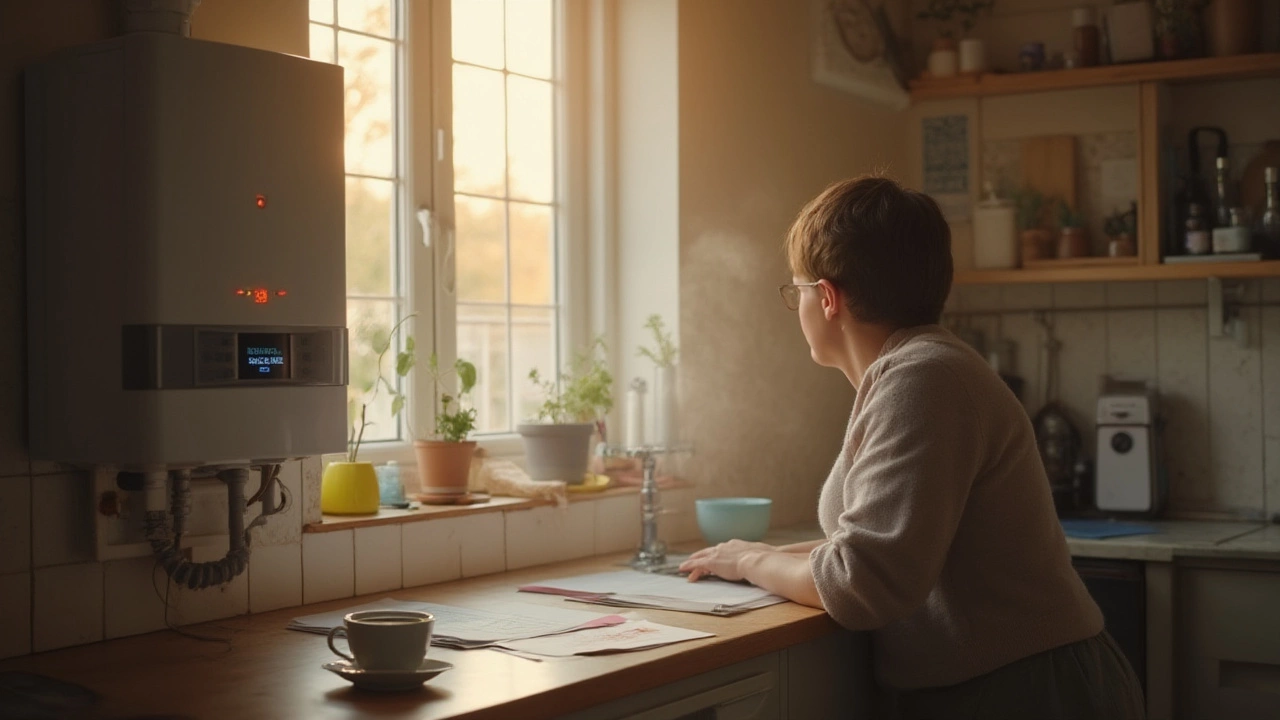
Discover when to worry about your boiler, warning signs to watch, and smart tips for safe use. Get practical advice to avoid major boiler headaches.
Is your washing machine considered old? Learn the real lifespan, signs it's aging, and pro tips to keep it running longer. Get real facts and advice from an expert.
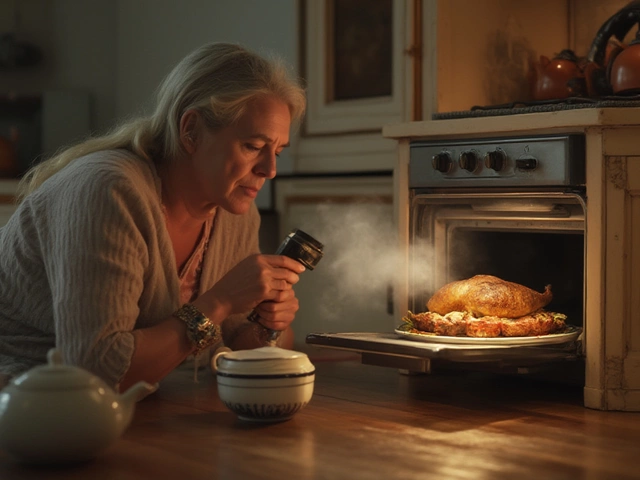
Find out how to tell if your oven’s heating element or thermostat is busted with simple tests, warning signs, and expert tips you can trust.
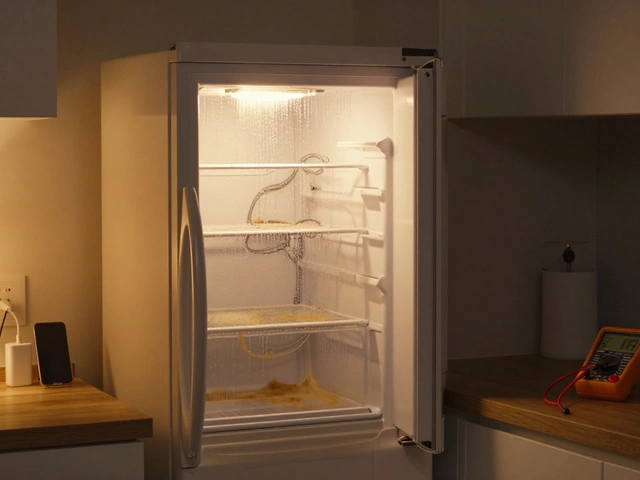
Your fridge suddenly stopped cooling? It's not magic-it's usually a simple fix. Learn the top 6 reasons why fridges fail and what to do before calling a repairman.
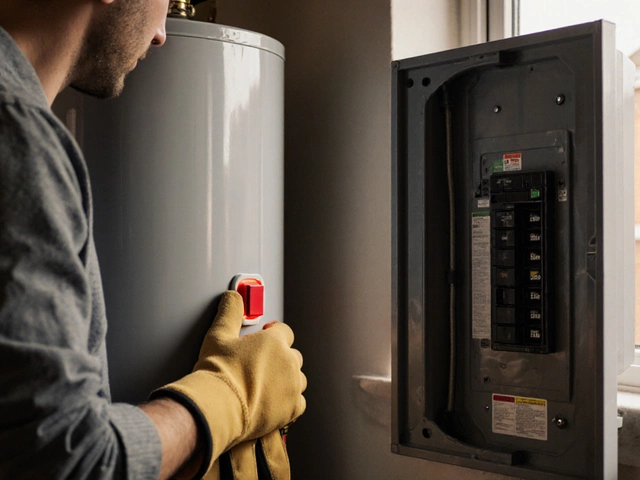
Learn when it's safe to press the water heater reset button, step‑by‑step instructions, common risks, and when to call a professional.

Boilers, integral to any home heating system, don't last forever. Understanding their lifespan can help you plan timely maintenance and replacements to ensure efficient heating. In this article, we explore how long you can expect your boiler to serve you, what affects its longevity, and how regular care can make a difference. By understanding these aspects, homeowners can make informed decisions regarding their heating needs and avoid unexpected failures.