

If your house feels like a freezer or your shower runs cold, something in your heating system is off. It could be the boiler, a heat pump, or the water heater. The good news? Many issues show clear symptoms and can be tackled before they turn into expensive repairs.
First, look at the thermostat. Is it set to the right temperature? Does the display work? A dead battery or a loose wire can make the whole system think it’s already warm. Next, listen for unusual noises – banging, rattling, or whistling often means air trapped in the pipes or a failing pump.
Check the pressure gauge on your boiler. Most residential boilers run between 1 and 1.5 bar when cold and around 2 bar when hot. Anything outside that range may need re‑pressurising or a bleed of air. While you’re at it, look for any leaks around the pipe joints – even a tiny drip can cause the pressure to drop.
Boiler won’t fire up: This can be a faulty ignition electrode, low water level, or a blocked condensate pipe. Tilt the boiler gently to see if water pools at the bottom – if it doesn’t, you might need a refill.
Heat pump not cooling: A clogged air filter or a refrigerant leak can stop the unit from delivering warm air. Clean the filter and check the outdoor unit for debris. If the problem persists, the refrigerant might need a professional top‑up.
Hot water running cold: Sediment buildup in the tank reduces heat transfer. Flushing the water heater once a year clears the grime. If the heater is older than 15 years, consider a replacement – efficiency drops dramatically with age.
Radiators are cold at the top: Air trapped in the system creates cold spots. Use a radiator key to bleed the air out. Turn the heating on, wait for it to heat up, then open the valve until water flows evenly.
When any of these fixes feel beyond your comfort zone, it’s smart to call a certified technician. Trying to tinker with gas lines or electrical components without proper training can be dangerous.
At Bognor Regis Appliance Repair Experts, we specialize in quick diagnostics and reliable repairs for all heating problems. Our technicians know the local climate, so we can advise whether a heat pump or a modern boiler makes sense for your home.
Remember, regular maintenance prevents most breakdowns. Schedule a boiler service once a year, clean heat pump filters seasonally, and flush the water heater every 12 months. A little upkeep saves you from freezing mornings and hefty repair bills.
Got a heating issue you can’t solve? Give us a call, and we’ll get your home warm again in no time.

Is your heat pump not blowing warm air? Here’s what causes it and how you can troubleshoot the issue. Easy fixes and tips for a cozy home.
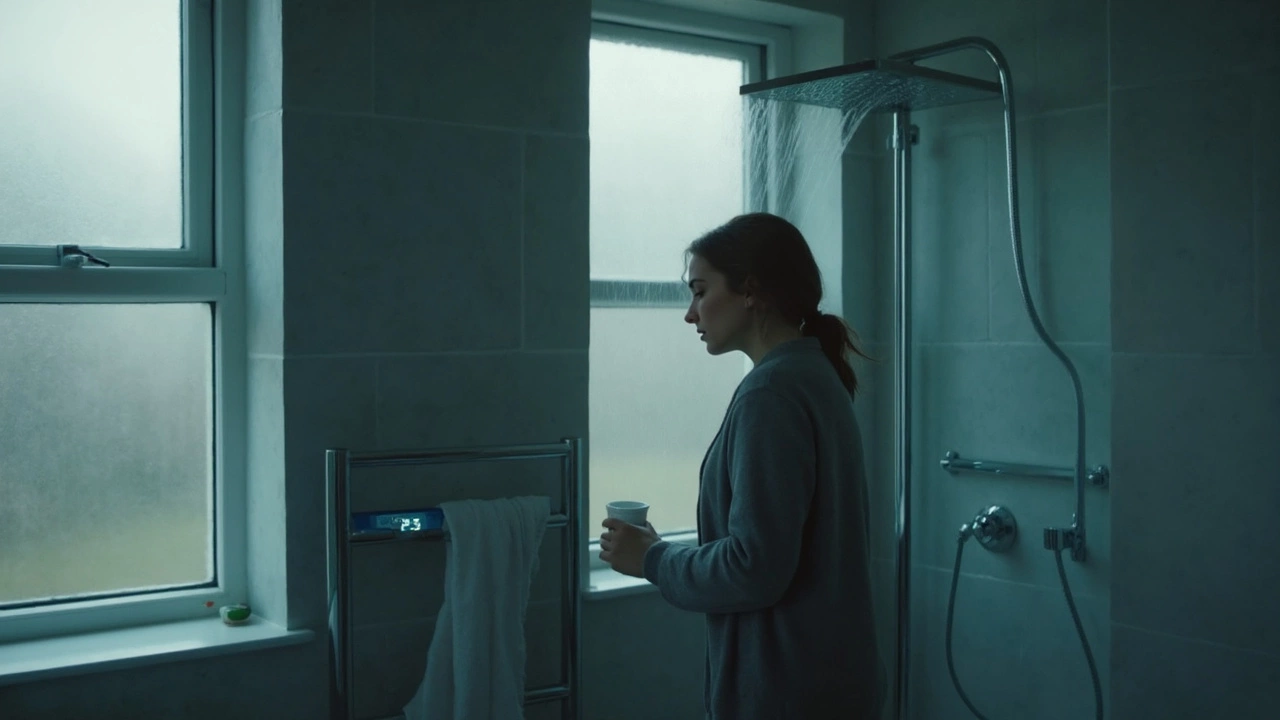
When your boiler breaks down, taking a comfortable shower suddenly feels like a luxury. This article explains exactly what happens to your shower when a boiler goes out, ways to still get clean, and when you should call in a professional. Learn alternative methods for washing, bust some myths about cold showers, and get tips on preventing future breakdowns. We even cover what to do if you have kids or need to keep up with fitness routines. Staying clean during a crisis isn’t impossible—you just need a bit of know-how and some creative solutions.
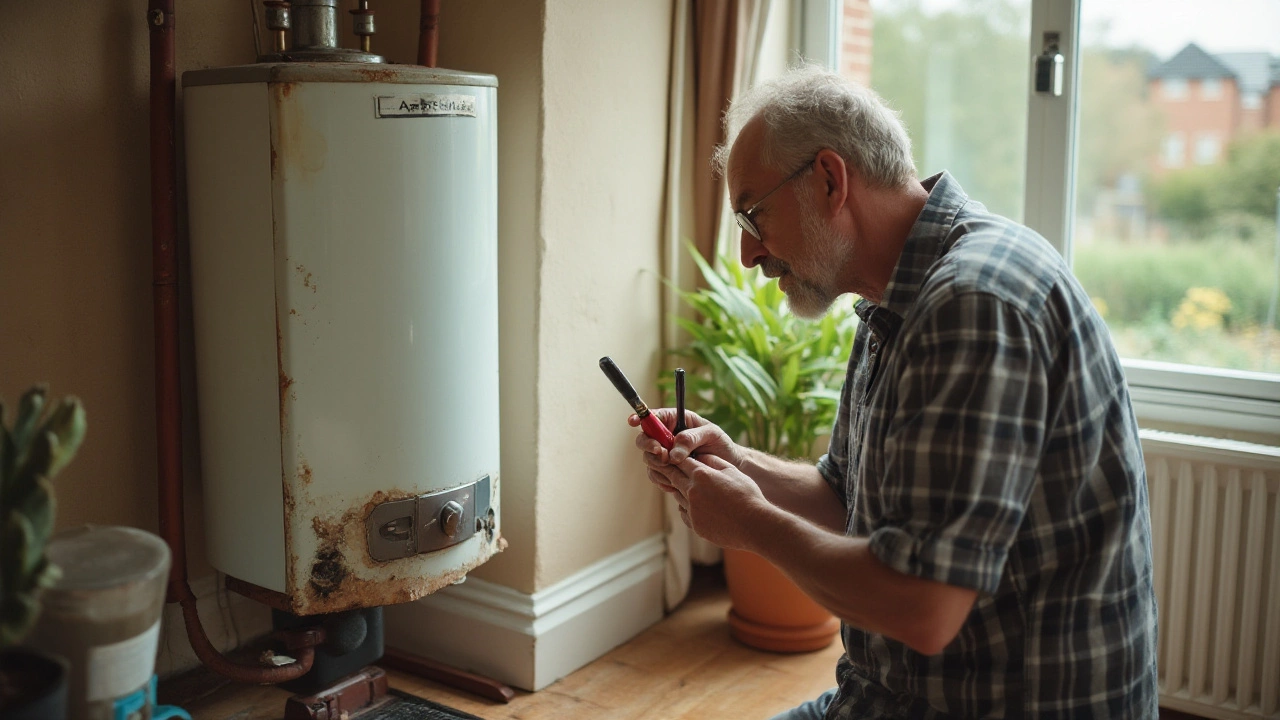
Water heaters are essential in our daily lives, yet they often fail more quickly than expected. Understanding the common causes of these failures can help in preventing them. In this article, we delve into why water heaters often break down prematurely and offer practical tips on extending their lifespan. Regular maintenance and awareness of common issues are key to ensuring your water heater runs efficiently for years.
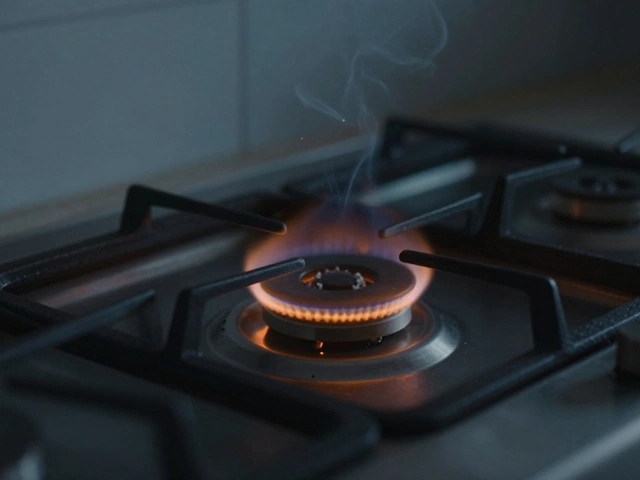
A bad gas oven igniter won't always fail completely. Watch for slow lighting, gas smells, weak flames, or no glow at all. These signs mean it's time to replace the igniter before gas leaks or the oven stops working entirely.

Repairing an aging laptop can be a tricky decision. This article explores whether it's still worth investing in a 7-year-old device. We'll consider factors like performance, cost, potential upgrades, and environmental impact. Dive in to learn about the practical and sentimental value of maintaining your trusty laptop.
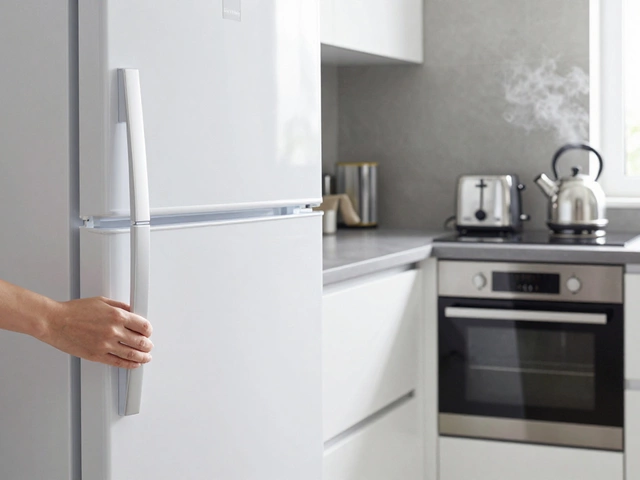
An appliance is a device designed to perform a specific household task like cooking, cleaning, or cooling. It’s not just anything that plugs in - it must replace manual labor and be used regularly at home. Understanding this helps you find the right repair service and know what’s covered under warranties.

Wondering who fixes extractor fans? Find out which trade has the right skills, top repair tips, and practical advice for solving extractor fan issues fast.
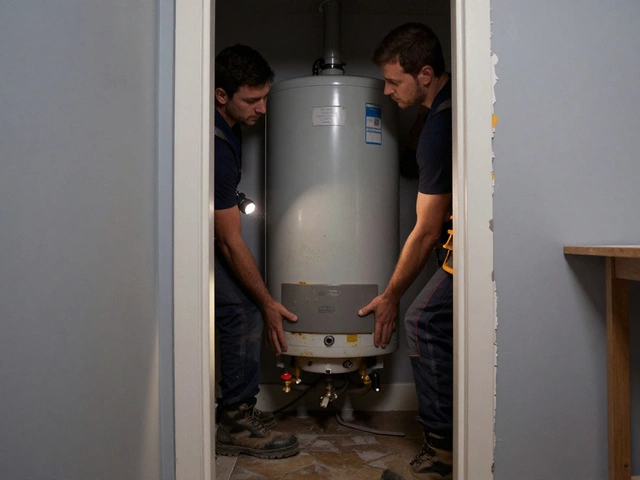
Find out exactly how long it takes to replace a water heater. We break down timelines for tank vs. tankless units, hidden delays, and installation steps to help you plan your schedule.