

When it comes to heater maintenance, the routine care of all home heating equipment to keep it efficient, safe and long‑lasting. Also known as heating system upkeep, it includes work on boiler servicing, checking pressure, cleaning burners and testing safety valves, heat pump care, cleaning coils, inspecting fans and verifying refrigerant levels, regular water heater flushing, removing sediment to prevent scale buildup and heat loss, and even the extractor fan, which helps vent moisture and protect heating components from excess humidity. Proper heater maintenance lowers energy bills, avoids unexpected breakdowns, and keeps indoor comfort consistent year‑round.
Heater maintenance isn’t a one‑time task; it’s a schedule of checks that match each device’s needs. For boilers, the key attributes are pressure stability, fuel efficiency and safety valve function. A yearly tune‑up can catch corrosion early, saving you from costly part replacements. Heat pumps rely on clean heat exchangers and properly charged refrigerant; neglect leads to reduced COP (coefficient of performance) and higher electricity use. Water heaters benefit from an annual flush that removes mineral deposits—otherwise, heating elements or burners work harder and fail sooner. Even extractor fans should be inspected every 2‑3 years; clogged filters reduce airflow, causing damp spots that can damage heating ducts. By aligning maintenance frequency with these attributes, homeowners create a feedback loop: smooth operation → lower energy use → less wear → fewer service calls.
Another practical tip is to keep a simple log. Note the date of each service, what was cleaned or replaced, and any unusual noises you heard. Over time this log becomes a diagnostic tool; if a boiler starts to lose pressure after a service, you can pinpoint whether a valve was the culprit. The same approach works for heat pumps—track coil cleaning dates, and you’ll see a clear pattern in performance gains. Tools like a pressure gauge for boilers, a coil cleaning brush for heat pumps, and a garden hose for water heater flushing are inexpensive but make a big difference. Remember, safety first: always turn off power or gas before opening any component, and if you’re unsure, call a certified technician.
With this foundation you’ll find the articles below cover everything from cost guides for boiler repairs to step‑by‑step resets for water heaters. Whether you’re tackling a quick filter change on an extractor fan or planning a comprehensive boiler service, the collection gives you the knowledge to act confidently and keep your heating system humming.
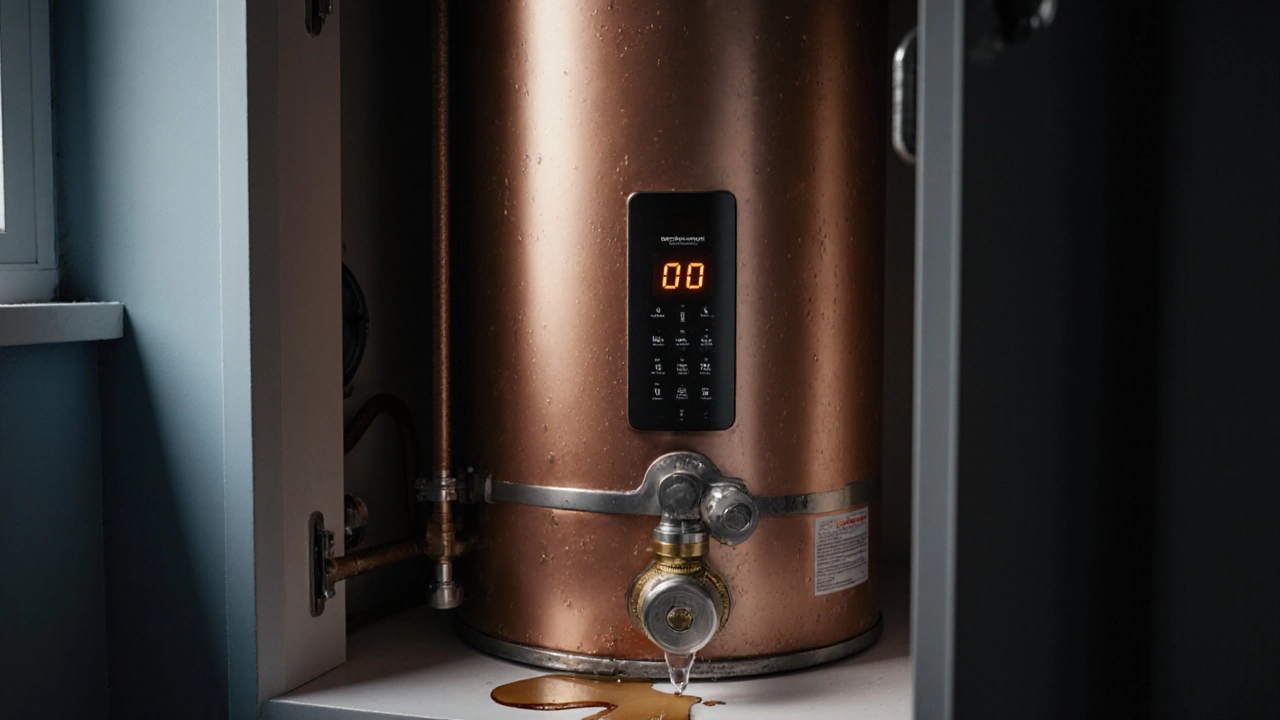
Spot the top warning signs of a failing hot water heater, from strange noises and leaks to temperature swings and error codes, plus practical fixes and when to call a pro.

Boilers are the unsung heroes of many homes, tirelessly keeping us warm through the coldest months. But how long can these mighty machines really last? This article delves into the factors affecting boiler lifespan, maintenance tips for longevity, and whether hitting the five-decade mark is realistic. Learn about the signs of wear and when it might be time for an upgrade.
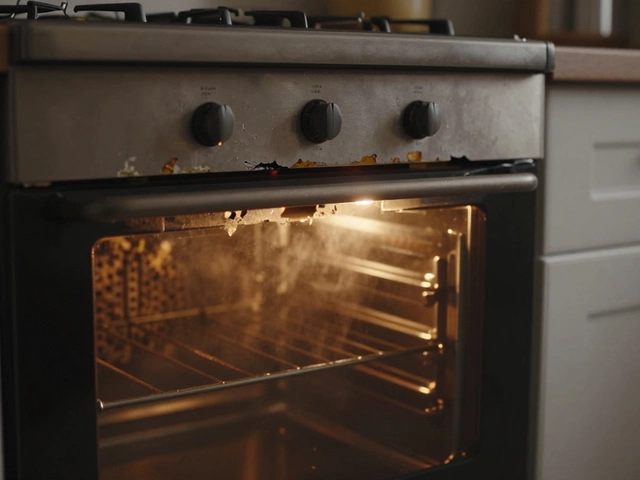
Most ovens last 10 to 15 years, but usage and maintenance affect lifespan. Learn the signs your oven is failing, when to repair vs. replace, and how to make it last longer.

Find out if Geek Squad repairs are truly free. Learn about warranty coverage, service plans, and real repair costs for laptops.

Trying to figure out if you should repair your electric stove or just buy a new one? This article breaks down the real costs, common repairs, and the value of fixing versus replacing. Find out what issues are usually fixable, what repairs make sense, and when to let go. You'll also get practical tips for simple DIY fixes and signs you need a pro. Make a smart choice for your kitchen and your wallet.

This article provides a comprehensive guide on how to test and maintain your kitchen extractor fan to ensure it functions optimally. It includes practical steps for diagnosing common issues, cleaning tips to improve efficiency, and essential maintenance advice. Discover how to test airflow and electrical components safely, ensuring your kitchen remains free from unwanted odors and excess humidity. Learn valuable insights and practical tips to keep your extractor fan in top shape.